简体中文
简体中文 Deutsch
 日本語
日本語 한국어
한국어 Tiếng Việt
 Русский
 ไทย
ไทย Bahasa Indonesia
 Bahasa Melayu
 Filipino
 لالعربية
 Français

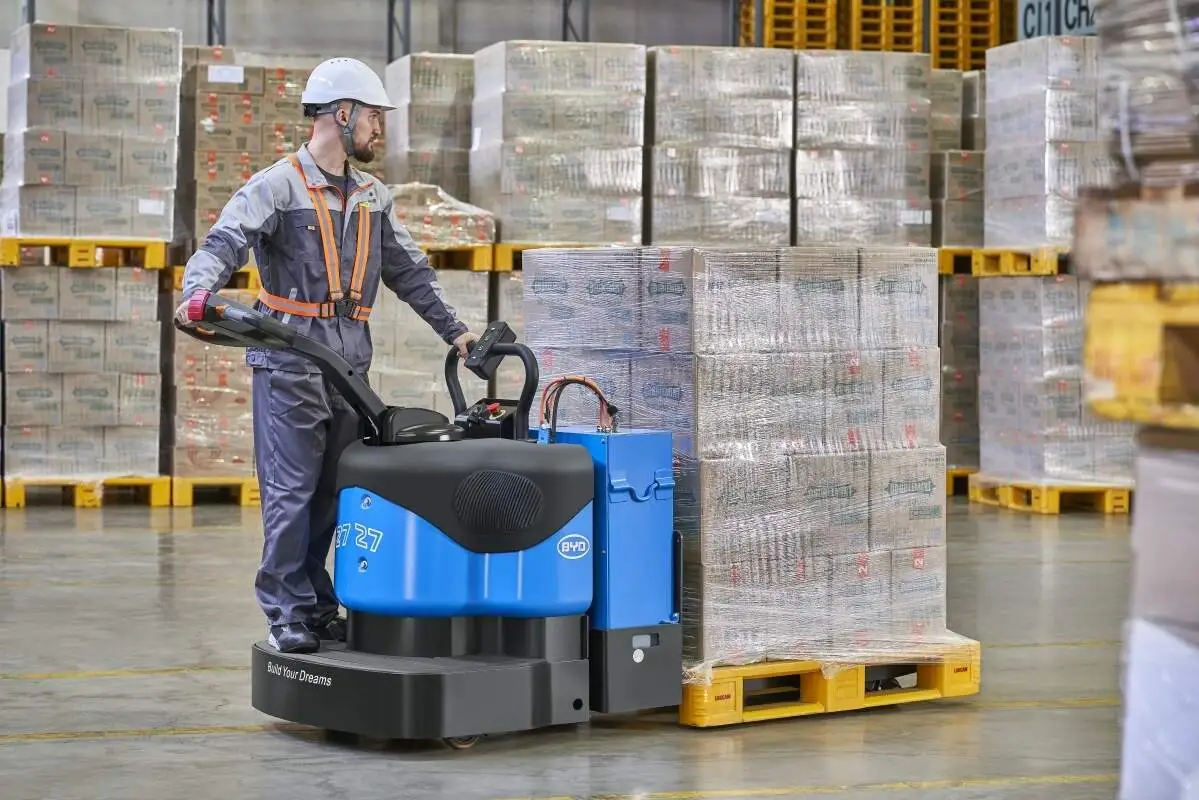
For enterprises with forklift procurement needs, in addition to operational performance, the cost difference between the two types of forklifts is the most concerned purchasing reference factor. We can disassemble the cost gap between the two types of products from multiple dimensions.
upfront procurement cost variance
Among products of the same load class, the upfront purchase price of new energy forklifts is usually higher than that of fuel forklifts, and the price difference mainly comes from the cost input of core components such as power batteries. At present, many regions have introduced subsidy policies for the purchase of new energy operating equipment. Enterprises that meet the requirements can apply for corresponding subsidies for the purchase of new energy forklifts, which can offset part of the upfront purchase price difference.
Daily energy cost difference
The cost of energy consumption is the largest part of the difference between the daily operating costs of the two types of forklifts. According to the conventional 8-hour operation time, the fuel consumption of fuel forklifts is about 2 to 3 liters per hour. According to the current diesel market price, the daily energy consumption cost is in the range of 120 yuan to 180 yuan. The power consumption of new energy forklifts is about 8 to 12 degrees per hour. According to the average price of ordinary industrial electricity consumption, the daily energy consumption cost is only 20 yuan to 40 yuan. If you use the night valley electricity period to charge, the energy consumption cost can be further reduced by about one-third.
Maintenance operating cost variance
The structural differences between the two types of forklifts directly determine the difference in maintenance costs. Fuel forklifts have complex transmission structures such as engines and gearboxes. Regular maintenance requires regular replacement of oil, three filters, spark plugs and other components, as well as regular maintenance of the engine. Annual maintenance costs generally range from thousands to tens of thousands of yuan. As the service life increases, engine wear and tear increases, and maintenance costs will increase year by year.
New energy forklifts do not have complex structures related to fuel power. Conventional maintenance requires only battery status testing, circuit inspection, and replacement of vulnerable parts such as brakes. The annual maintenance cost is only one-third to one-half of that of fuel forklifts of the same level, and the cost increase in the later stage of use is much lower than that of fuel forklifts.
Hidden cost differential
In addition to the explicit cost, the hidden cost of the two types of forklifts is also significantly different. The exhaust emissions of fuel forklifts do not meet the access requirements of some indoor operation scenarios and environmentally friendly areas. The use of fuel forklifts in some areas also requires additional emission-related fees, and there are many scene restrictions. New energy forklifts have zero emissions, no environmental restrictions in operation scenarios, and do not need to bear additional costs related to emissions. At the same time, in the second-hand disposal stage, the residual value rate of new energy forklifts with good battery condition is generally higher than that of fuel forklifts with the same service life.
Overall, as long as the annual operating time exceeds 1000 hours, new energy forklifts can usually be used for 1 to 2 years to offset the previous purchase price difference. The cost advantage will continue to expand during subsequent use, and enterprises can choose suitable products based on their own operating hours and operating scenarios.