简体中文
简体中文 Deutsch
 日本語
日本語 한국어
한국어 Tiếng Việt
 Русский
 ไทย
ไทย Bahasa Indonesia
 Bahasa Melayu
 Filipino
 لالعربية
 Français
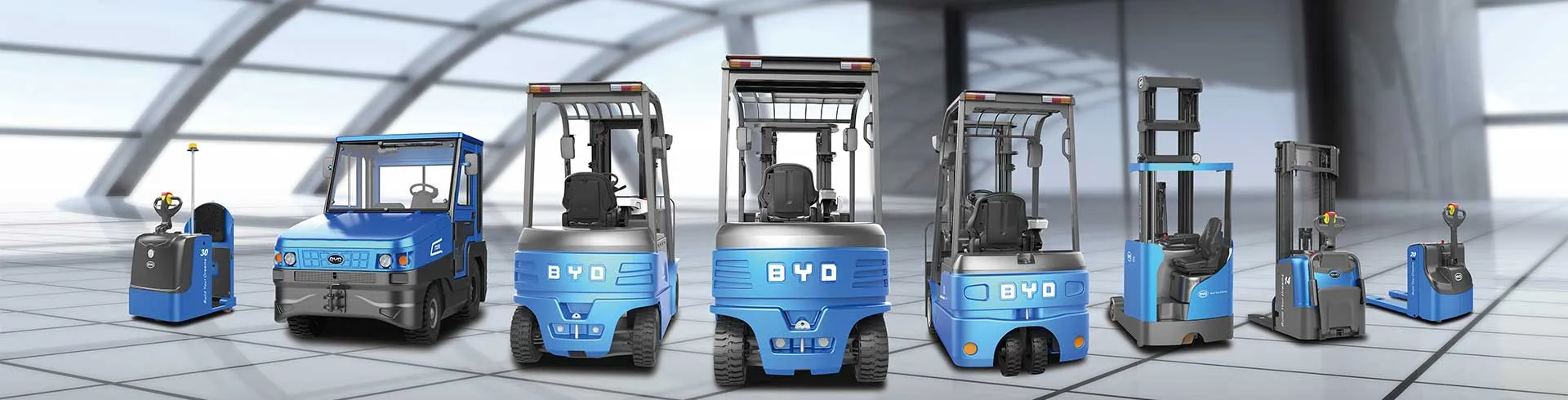
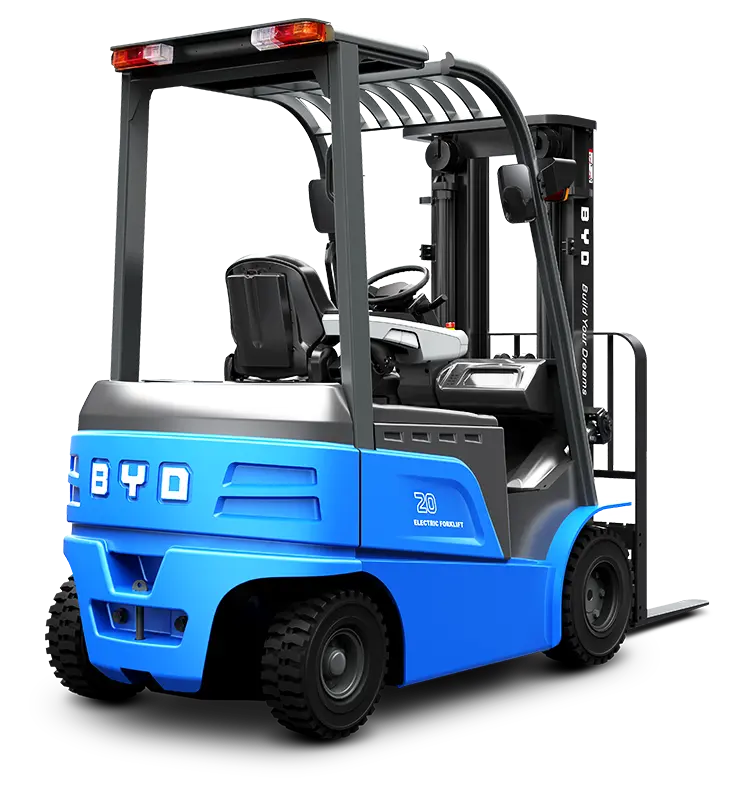
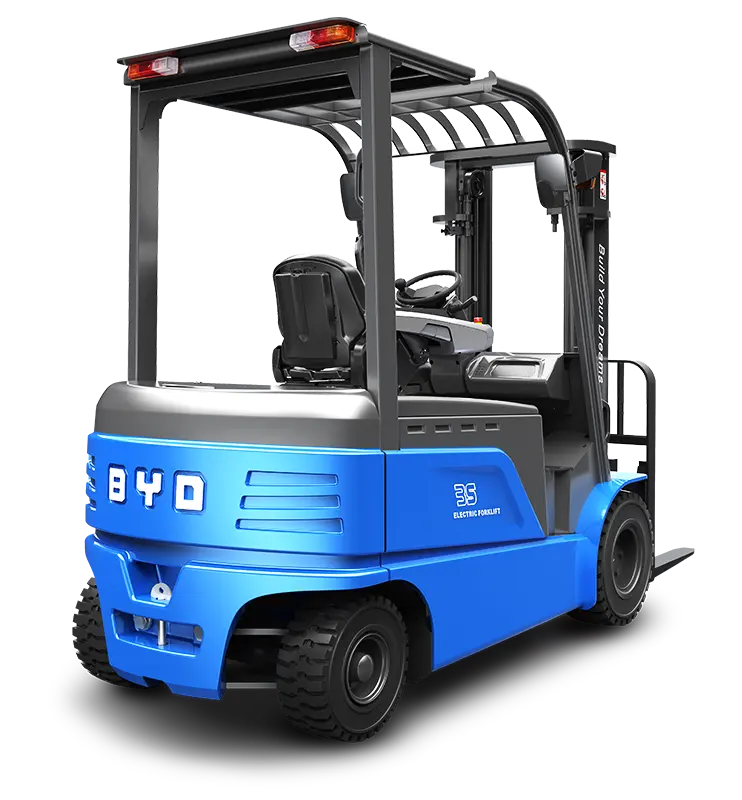
When purchasing forklifts, one of the common concerns of many warehousing and logistics enterprises is how long it takes to recover the procurement cost. Compared with traditional internal combustion forklifts, lithium battery forklifts have obvious operating cost advantages, and their payback period can be calculated by fixed logic.
The cost structure of lithium battery forklifts
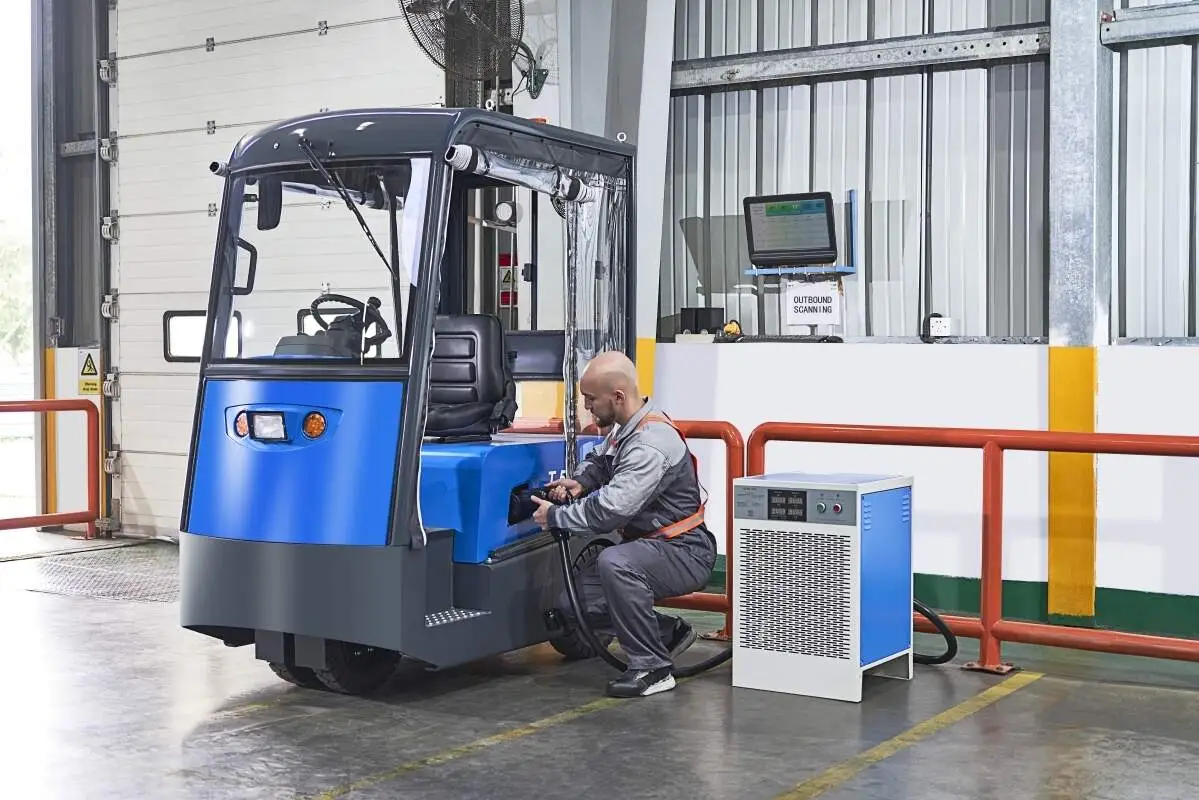
To calculate the payback cycle of a lithium battery forklift, it is first necessary to clarify all the fixed investment in the early stage, mainly including the purchase cost of the vehicle itself, the cost of licensing and conventional insurance, and the investment in the first supporting charging facilities. These are all costs that need to be paid at one time during the procurement stage, excluding changes in the later use process.
The operating cost advantage of lithium battery forklifts
Daily energy cost
Lithium battery forklifts are powered by electricity and consume about 1.5 to 3 degrees of electricity per hour. According to the average price of industrial electricity, the cost per hour is only about 1 to 2 yuan, which is far lower than the fuel cost of 5 to 8 yuan per hour for internal combustion forklifts of the same specification. The energy consumption advantage of long-term use is very obvious.
Maintenance cost
Lithium battery forklifts do not have the necessary vulnerable parts of internal combustion forklifts such as engines, gearboxes, and fuel filters. They only need to do basic maintenance such as tire inspection and bearing lubrication on a daily basis. The average annual maintenance cost is only 20% to 30% of that of internal combustion forklifts of the same level, which can further reduce the expenditure in the operation stage.
The specific calculation method of the return period
When calculating back to this cycle, first of all, we must count the average annual operating time of forklifts in our own scenarios. In most ordinary warehousing scenarios, the average annual use time of forklifts is about 2000 hours. According to the energy consumption cost of saving 4 yuan per hour compared with internal combustion forklifts, only energy consumption can save 8,000 yuan a year, plus the average annual maintenance cost of 3,000 to 5,000 yuan, which can save 11,000 to 13,000 yuan a year.
If the procurement cost of a lithium battery forklift of the same specification is 4 to 60,000 yuan higher than that of an internal combustion forklift, it will only take 3 to 5 years to recover the higher procurement cost. If the forklift is used more frequently and the average annual use time exceeds 3,000 hours, the recovery cycle can be further shortened to 2 to 3 years.
The payback cycle in different scenarios will vary to some extent. In scenarios such as cold chain and outdoor heavy loading, forklifts have higher energy consumption, more considerable cost savings, and faster payback speeds. In small warehouses with lower usage, the payback cycle will be relatively prolonged, and enterprises can adjust the measurement parameters according to their actual usage to obtain payback results that better meet their own needs.