简体中文
简体中文 Deutsch
 日本語
日本語 한국어
한국어 Tiếng Việt
 Русский
 ไทย
ไทย Bahasa Indonesia
 Bahasa Melayu
 Filipino
 لالعربية
 Français
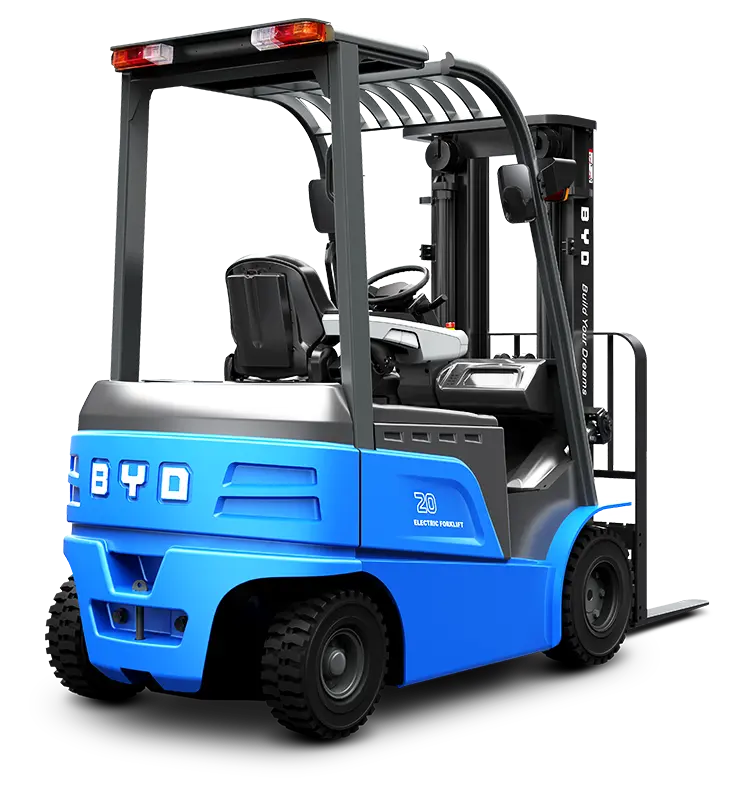
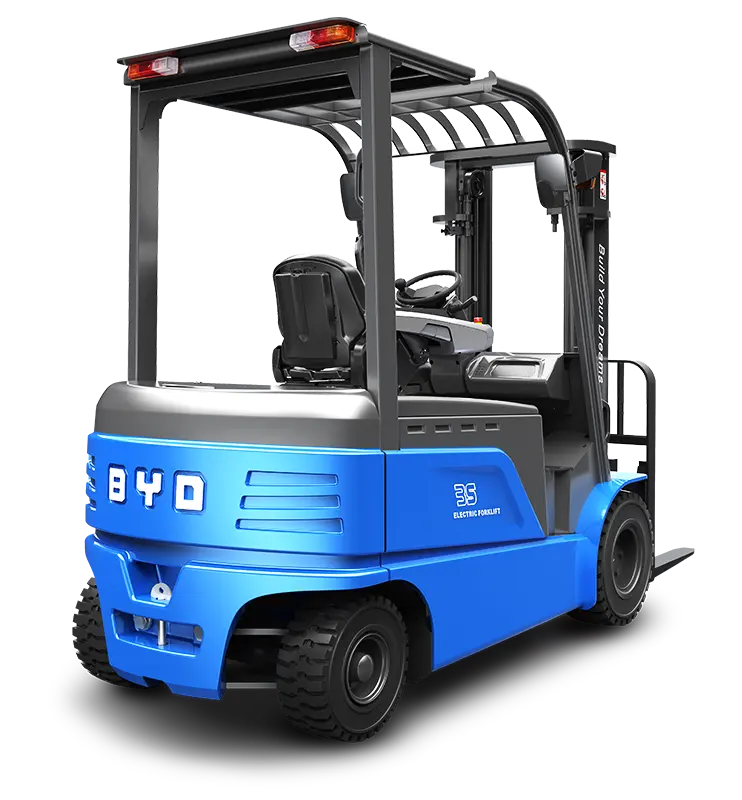
Many companies pay great attention to energy consumption costs when purchasing or using electric forklifts, among which hourly power consumption is one of the most consulted issues. The power consumption of electric forklifts does not have a fixed uniform value and will be affected by many factors. Most scenarios fluctuate within the normal range.
Regular range of hourly power consumption of electric forklifts
According to the common tonnage division, the 1-ton light storage electric forklift, in the conventional light load, flat ground operation scenario, the power consumption per hour is about 1.5 to 3 degrees; the 3-ton general-purpose electric forklift is currently the most widely used category in the market. Under the normal operating load of 60% to 80%, the power consumption per hour is about 3 to 6 degrees; heavy-duty electric forklifts of 5 tons and above, because of the higher power demand, the power consumption per hour is mostly in the range of 6 to 12 degrees. The above values are the average level under conventional operating scenarios, for reference only, and there will be certain fluctuations in actual use.
The core factors affecting the power consumption of electric forklifts
Load weight is the primary factor affecting energy consumption. The larger the load of the forklift, the higher the power output of the motor, and the power consumption will naturally increase. For the same forklift, the power consumption of full load operation will be 30% to 50% higher than that of no load operation. Long-term overload operation will also accelerate the aging of forklift parts and increase unnecessary energy consumption.
The operation scene will also have a significant impact on power consumption. The smoothness and slope of the operation road surface, as well as the start and stop frequency of the operation, will affect the energy consumption. If you are working in an outdoor site with bumpy road surfaces and many ramps, or need to start and stop frequently to pick up goods, the power consumption will be about 20% higher than the smooth transportation in a flat warehouse.
The state of the equipment will also affect the energy consumption performance, the degree of newness of the battery and the ambient temperature will cause energy consumption fluctuations. The new energy storage battery has higher discharge efficiency, the internal resistance of the old battery increases, and the loss during the discharge process is more, and the power consumption will be more than 10% higher than that of the new battery. The decrease in battery activity in the low temperature environment in winter will also lead to an increase in actual power consumption.
Practical methods for reducing power consumption of electric forklifts
In order to control the energy consumption of electric forklifts, it is first necessary to develop stable operating habits, avoid sudden acceleration and braking operations, and reduce unnecessary power loss. Secondly, it is necessary to plan the operation route reasonably, try to avoid bumpy road surfaces and unnecessary climbing, and reduce the distance of ineffective driving. In addition, regular maintenance of forklifts should be done, and the battery status and lubrication of transmission parts should be checked in time to keep the equipment in good operating condition, which can also effectively reduce unnecessary energy consumption.