简体中文
简体中文 Deutsch
 日本語
日本語 한국어
한국어 Tiếng Việt
 Русский
 ไทย
ไทย Bahasa Indonesia
 Bahasa Melayu
 Filipino
 لالعربية
 Français
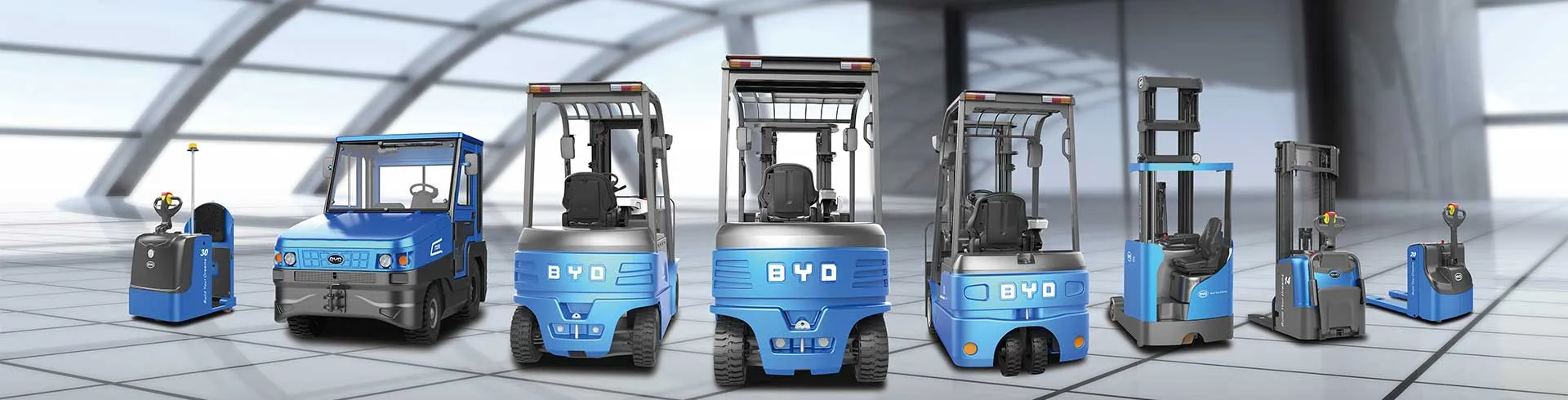
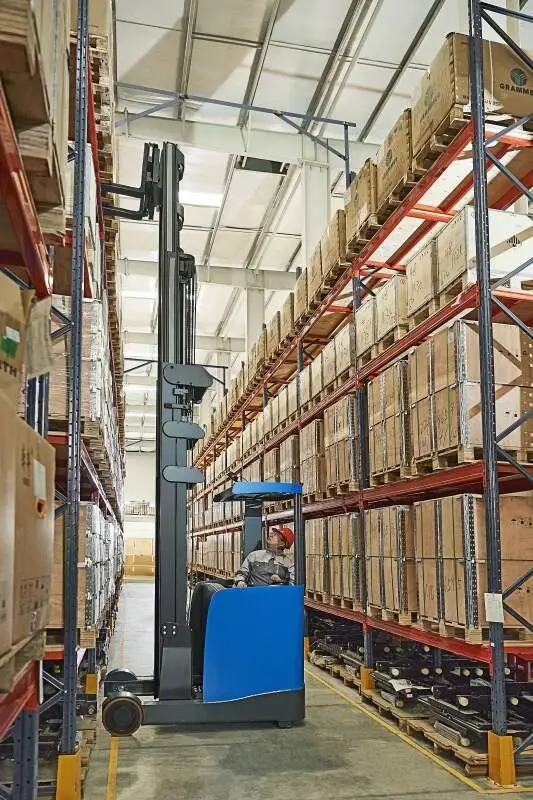
In the industrial handling scenario, forklift procurement decisions have long stopped focusing solely on the first purchase price. The comprehensive cost of the entire life cycle has become a core consideration for many enterprises. Many operators are comparing the long-term investment differences between lithium-ion forklifts and lead-acid forklifts in order to make choices that better suit their own needs.
Procurement and initial input costs
In the first procurement stage, the purchase price of lithium-ion forklifts with the same load and configuration is generally higher than that of lead-acid forklifts, and the difference is usually between 30% and 50% of the price of lead-acid forklifts of the same level. This is also the main reason why many companies with low operating frequency initially prioritize lead-acid forklifts.
Operation and maintenance and energy consumption costs during use
In terms of energy consumption costs, the energy conversion efficiency of lithium-ion forklifts is higher in the daily operation process. Under the same operation intensity, the energy consumption expenditure is 20% to 30% lower than that of lead-acid forklifts. At the same time, lithium-ion forklifts support charging and use at any time, and do not need to be specially equipped with shift spare battery packs, which can reduce additional battery procurement investment.
In terms of operation and maintenance costs, the batteries of lead-acid forklifts need to be replenished regularly and the electrodes cleaned. The average annual battery maintenance cost accounts for 5% to 10% of the battery purchase price. Special ventilated charging sites are also required, which will generate additional site rental or renovation expenses. The batteries of lithium-ion forklifts basically do not require daily maintenance, and there are no special charging site requirements, which can save this part of operation and maintenance expenses.
Service life and residual value recovery cost
Under the premise of normal and standardized use, the battery cycle life of lithium-ion forklifts is generally 2 to 3 times that of lead-acid forklift batteries, and the service life of the whole vehicle is also longer. After the equipment expires, the residual value recovery price of lithium-ion batteries is higher, while the recovery discount of lead-acid batteries is relatively low, and the residual value difference between the two can cover part of the initial purchase price difference.
Overall, if the annual service life of the forklift exceeds 1500 hours and the service life is more than 3 years, the lifecycle cost of the lithium-ion forklift will be lower than that of the lead-acid forklift, which is more suitable for high-frequency operation scenarios. If it is a low-frequency scattered operation, the short-term investment of the lead-acid forklift is more cost-effective, and enterprises can choose flexibly according to their own operational needs.