简体中文
简体中文 Deutsch
 日本語
日本語 한국어
한국어 Tiếng Việt
 Русский
 ไทย
ไทย Bahasa Indonesia
 Bahasa Melayu
 Filipino
 لالعربية
 Français
Significant reduction in energy costs
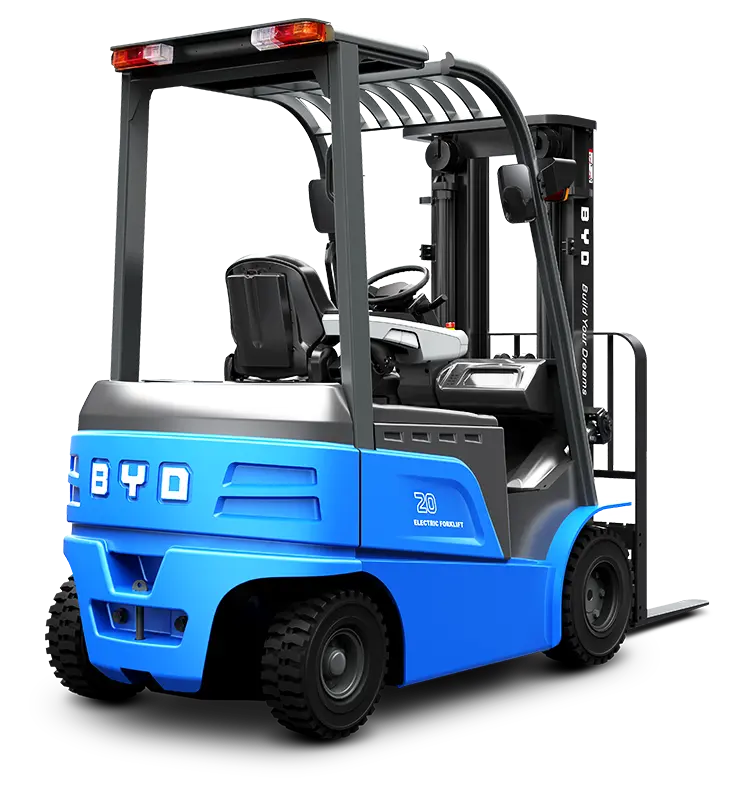
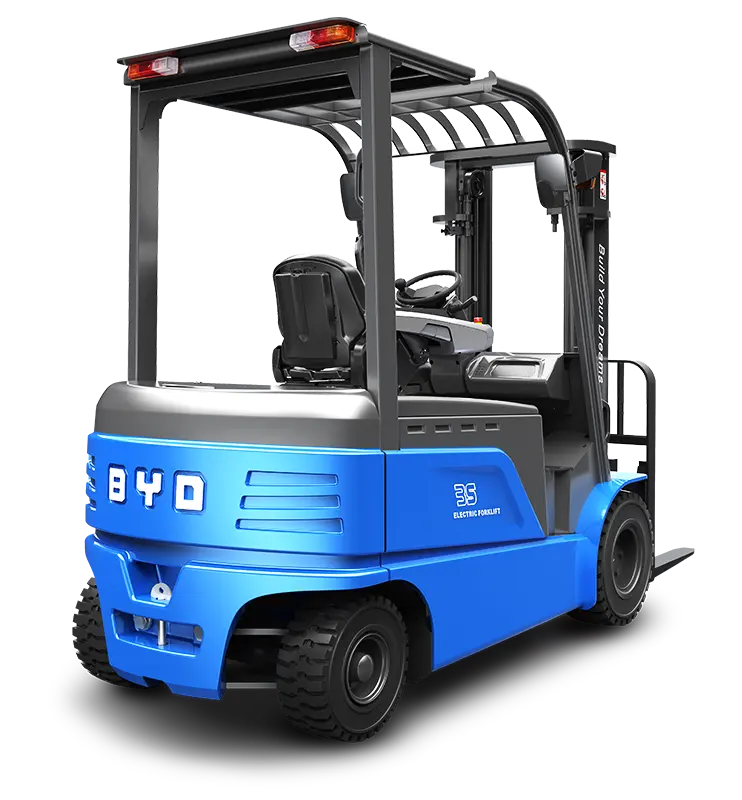
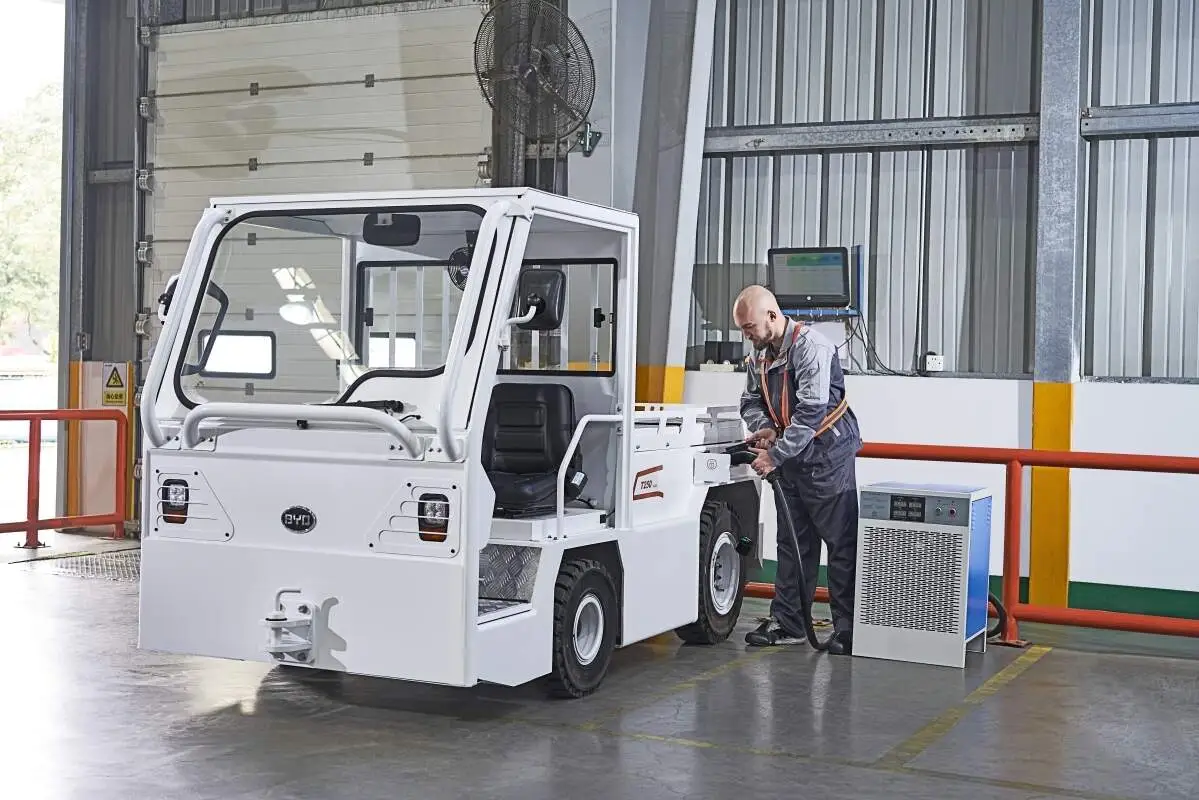
As the core expenditure item of enterprise forklift operation, energy consumption costs account for more than 50% of the whole life cycle cost of traditional internal combustion forklifts. Traditional internal combustion forklifts consume diesel, gasoline or liquefied natural gas, and energy prices are greatly affected by market fluctuations, resulting in poor cost stability. While new energy forklifts use electricity as a power source, enterprises can use the peak-to-valley electricity price difference to charge during the trough to further reduce energy consumption costs. According to the calculation of conventional operation intensity, under the same operating hours, the energy consumption cost of new energy forklifts is only one-third to one-quarter of that of traditional internal combustion forklifts, and the cost advantage of long-term operation is very obvious.
Significant reduction in maintenance costs
Traditional internal combustion forklifts are equipped with complex internal combustion engines, gearboxes and oil circuit systems. They need to regularly replace the oil, three filters, and regularly repair the engine and clean the oil circuit. Not only is the single maintenance cost high, but the maintenance frequency is also relatively intensive. New energy forklifts do not have complex structures such as internal combustion engines and gearboxes. The core components are the drive motor, power battery and electronic control system. They only need to do basic maintenance such as battery status detection and transmission parts lubrication on a daily basis. Not only is the single maintenance cost low, but the maintenance cycle is also longer. According to industry general estimates, after replacing new energy forklifts, the annual maintenance cost of forklifts can be reduced by 40% to 60%, effectively reducing unnecessary maintenance expenses.
Hidden cost optimization resulting from improved operational efficiency
The cost benefits of improved operational efficiency
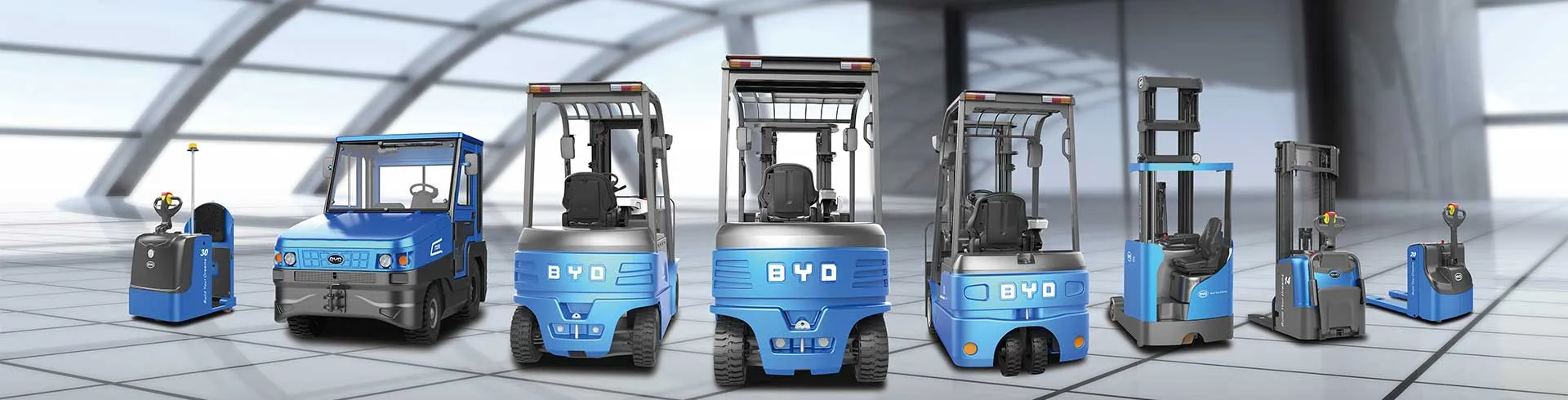
The new energy forklift has fast start-up response speed, smooth operation, low difficulty for drivers to get started, and the operation efficiency can be increased by about 10% under the same operation scenario, which can reduce the use time of forklifts under the same operation volume and reduce the cost of manpower and equipment. At the same time, the failure rate of new energy forklifts is lower, and the operation stagnation time caused by equipment failure is greatly reduced to avoid additional losses caused by missed work.
Reduction of compliance and management costs
Traditional internal combustion forklift exhaust emissions do not meet the environmental protection requirements of some areas, enterprises need to install additional exhaust gas treatment equipment, and may even face the risk of environmental penalties. At the same time, fuel storage needs to meet the requirements of hazardous chemicals management, and additional storage facilities and management costs need to be invested. New energy forklifts have zero exhaust emissions, no additional environmental protection treatment equipment is required, and there is no relevant investment in hazardous chemicals storage management, which can avoid relevant compliance risks and additional expenses.
For manufacturing, logistics, and warehousing enterprises with a large annual workload, the investment in replacing new energy forklifts can usually be recovered through cost savings in 2 to 3 years, and the subsequent use stage can enjoy a stable cost advantage for a long time. It is suitable for enterprises with long-term operation plans to gradually complete the equipment iteration.