简体中文
简体中文 Deutsch
 日本語
日本語 한국어
한국어 Tiếng Việt
 Русский
 ไทย
ไทย Bahasa Indonesia
 Bahasa Melayu
 Filipino
 لالعربية
 Français
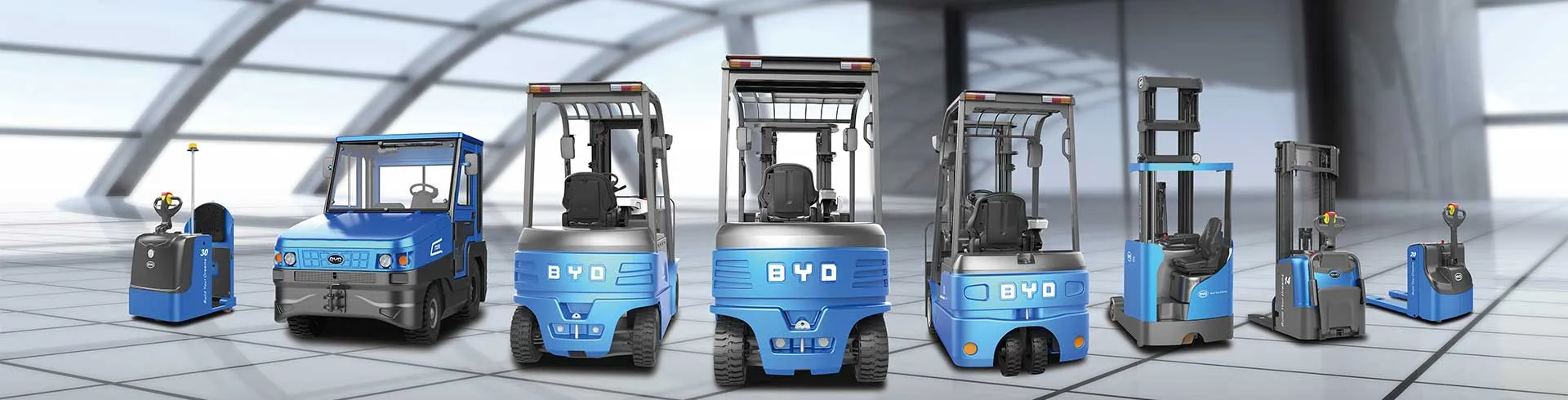
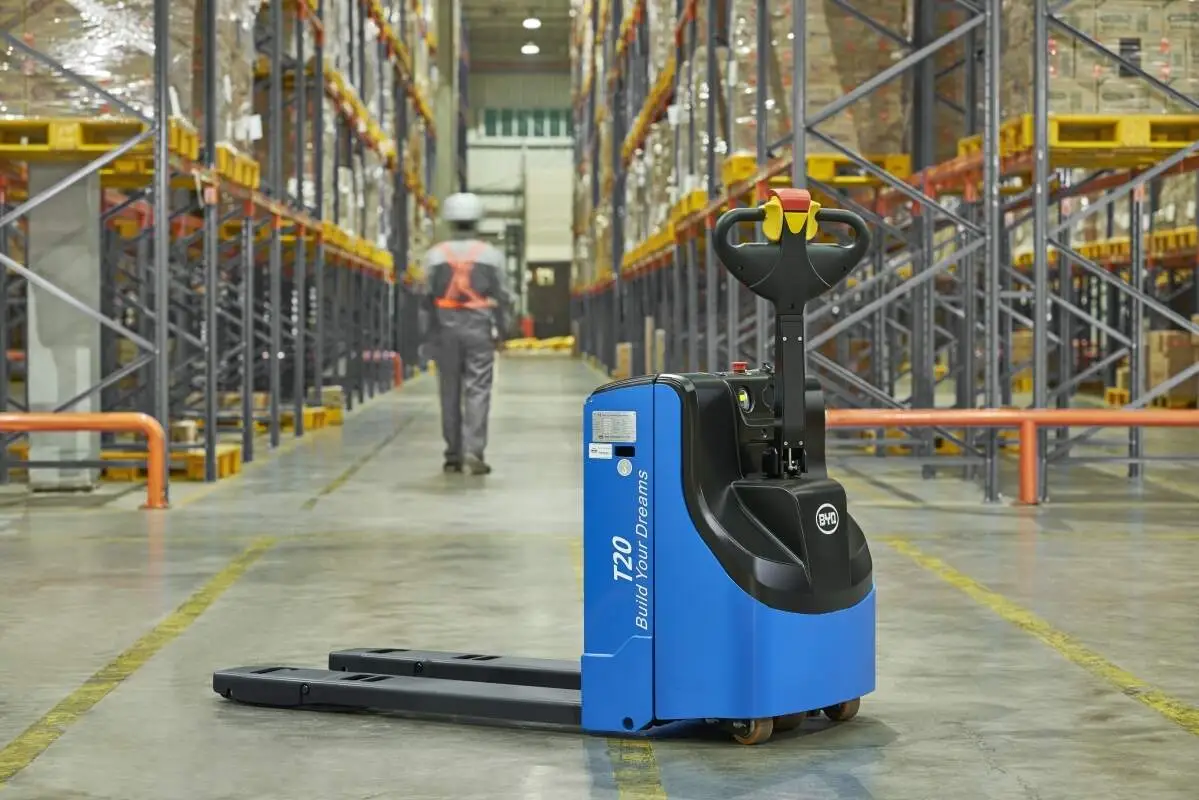
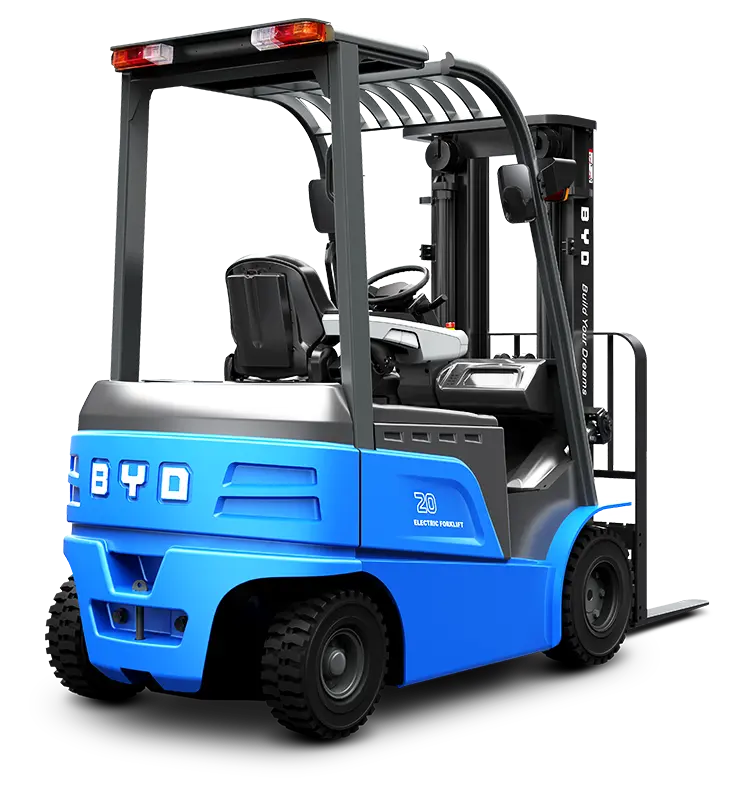
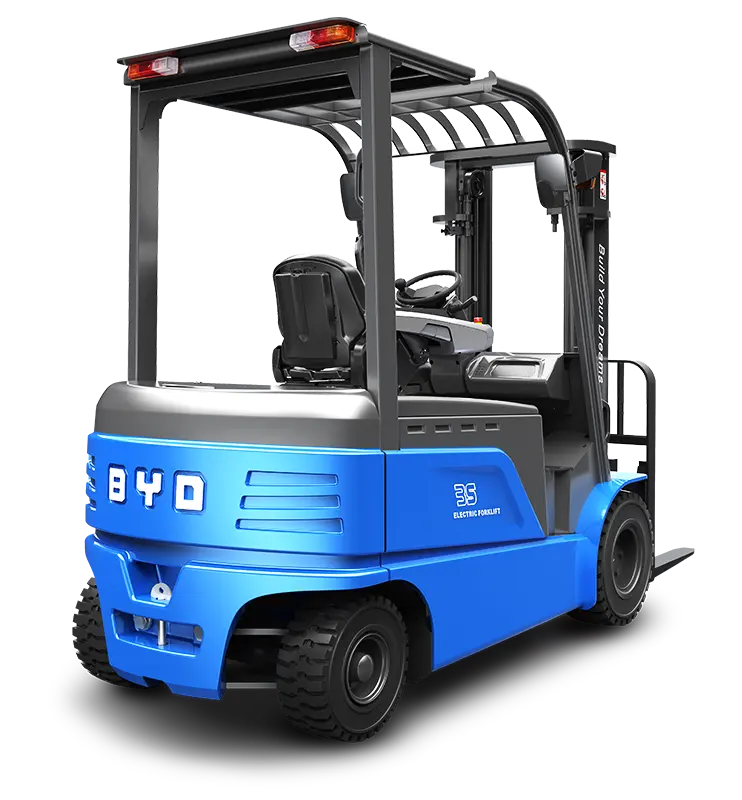
During the peak production season and the development stage of temporary projects, many enterprises will generate short-term demand for the use of lithium battery forklifts. Faced with the two acquisition methods of leasing and procurement, many enterprises do not know how to choose. They may wish to start from the characteristics of the two models and judge their own needs.
The short-term use burden of purchasing lithium battery forklifts
upfront investment and depreciation cost
If you choose to purchase a lithium battery forklift to meet short-term demand, you must first bear a higher one-time purchase expenditure. The lithium battery forklift itself has a high technical threshold and a high unit price. If it enters an idle state after only 3 to 6 months of use, the depreciation loss of the vehicle will account for a large proportion of the cost. If there is no stable long-term use demand in the future, whether it is idle storage or second-hand disposal, additional costs will be incurred.
Operations and management costs
Even if the vehicle is in an idle state, the lithium battery needs to be regularly charged and discharged for maintenance, and the body parts also need regular maintenance. The company needs to arrange a special person to be responsible for the relevant work. If there is a failure during use, it is also necessary to contact the maintenance personnel and bear the cost of accessories and labor, which will increase the energy consumption during the operation stage.
The short-term adaptation advantages of leasing lithium battery forklifts
Cost controllable without idle risk
Enterprises that choose the leasing model do not need to bear the one-time purchase expenditure, but only need to pay the corresponding rent according to the length of use. After the contract expires, they can directly return the vehicle without having to bear the related risks of vehicle depreciation, idle storage, and second-hand disposal, which can greatly reduce the financial pressure for short-term use.
Perfect service, worry-free and labor-saving
Regular rental service providers usually include free repair and maintenance services. When a vehicle malfunctions, a special person will be arranged to deal with it on-site. There is no need for the company to provide its own maintenance team, nor does it need to bear the subsequent maintenance costs. At the same time, if the needs change during use, it can also flexibly adjust the leased model and lease period to suit the needs of different stages of use.
Reference Criteria for Selecting Adaptation Schemes
Generally speaking, if the use period is less than half a year, and there is no stable long-term use demand in the future, the cost-effectiveness of choosing the leasing model will be higher. If the use period is more than one year, and there is a continuous use plan in the future, you can also evaluate the feasibility of procurement according to your own financial situation. Enterprises can make comprehensive judgments based on their own use time, demand fluctuations, and capital turnover, and choose a plan that suits them to avoid unnecessary waste of resources.