简体中文
简体中文 Deutsch
 日本語
日本語 한국어
한국어 Tiếng Việt
 Русский
 ไทย
ไทย Bahasa Indonesia
 Bahasa Melayu
 Filipino
 لالعربية
 Français
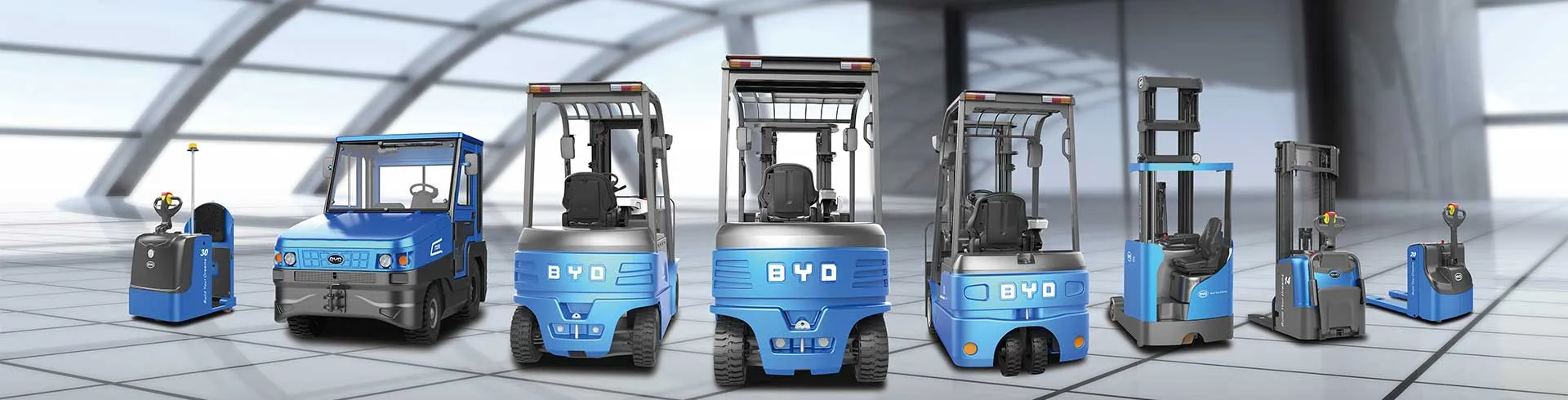
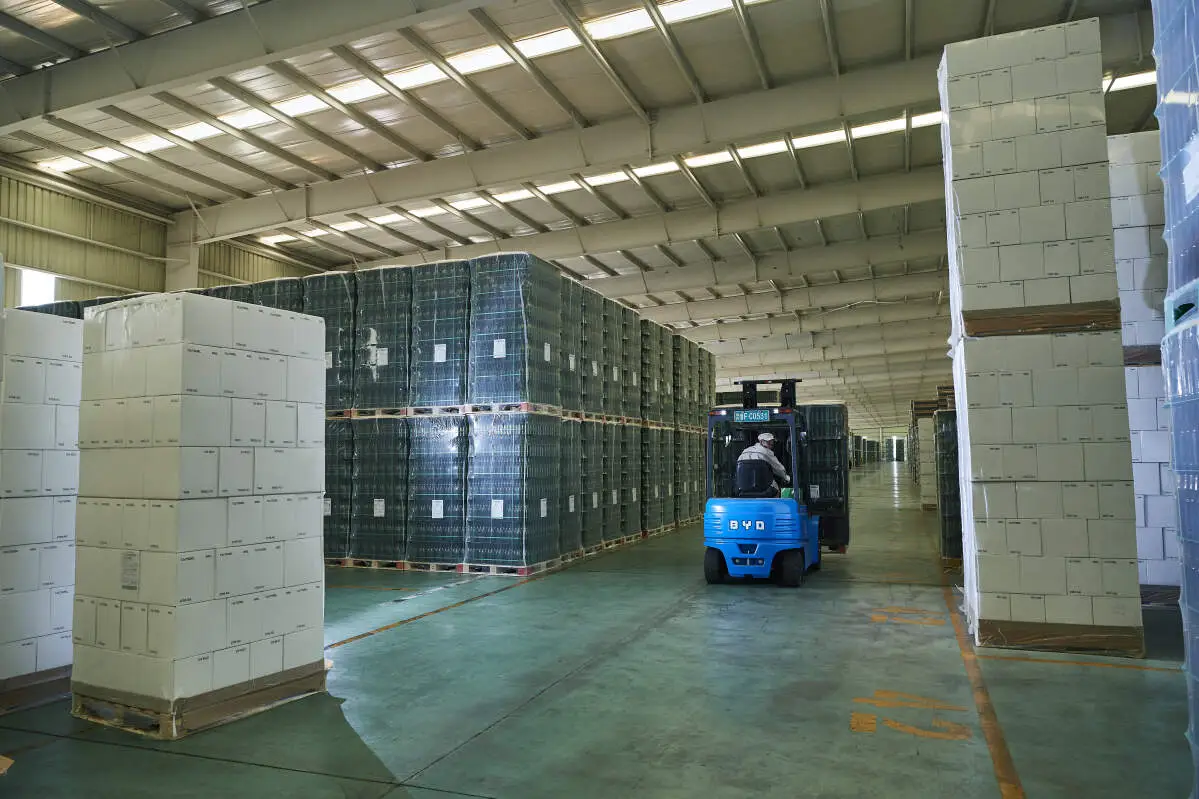
When purchasing industrial handling equipment, many users often face the question of whether the initial procurement cost of electric lithium forklifts is higher, and whether long-term use is really more economical. We can analyze the cost structure and the comparison of benefits in different scenarios.
The core cost composition of electric lithium forklifts
Initial procurement cost
The current initial purchase price of electric lithium-ion forklifts is generally 20% to 30% higher than that of lead-acid battery electric forklifts of the same specification, which is also the core reason for many users' hesitation. The price difference mainly comes from the material cost of the lithium battery itself and the R & D and manufacturing cost of the BMS management system.
Energy consumption cost
The energy conversion efficiency of lithium-ion forklifts is generally above 90%. Compared with the conversion efficiency of lead-acid forklifts of about 70%, the energy consumption per hour of operation can be reduced by about 30%. At the same time, lithium batteries support fast charging and valley charging, further lowering the cost of electricity. According to the average daily operation of 8 hours, the annual energy consumption cost can be saved by nearly 40% compared with lead-acid forklifts.
Operation and maintenance and loss costs
Lithium batteries do not need to be regularly replenished with distilled water, do not need to be regularly balanced charging, daily operation and maintenance only need to do a good job of interface cleaning and appearance inspection, and the annual operation and maintenance cost is only about a quarter of lead-acid batteries. At the same time, the cycle life of lithium batteries is generally more than 2,000 times, and some products can reach 3,000 to 4,000 times, which is 2 to 3 times that of lead-acid batteries. The cost of damage during the whole life cycle is lower.
Long-term economic comparison under different operating scenarios
High frequency job scenario
For logistics parks, large storage centers, production lines, and other high-frequency operation scenarios with an average daily operation of more than 8 hours, the initial purchase price difference of lithium-ion forklifts can be recovered within 2 to 3 years through energy consumption, operation and maintenance cost savings, and the cost advantage of subsequent use stages will continue to be magnified. According to the 5-year service cycle, the total operating cost can be about 30% lower than that of lead-acid forklifts of the same specification.
Low and medium frequency operation scenario
For small processing plants, scattered warehouses, and other low-frequency operation scenarios with an average daily operation of less than 4 hours, the recovery period for the initial price difference is about 4 to 5 years. However, due to the longer lifespan of lithium batteries, there is no need to replace batteries halfway through, and the total operating cost of the full life cycle is still lower than that of lead-acid forklifts.
Overall, as long as it is a user with long-term use needs, whether it is high-frequency or medium-low-frequency operation, the long-term use cost of electric lithium forklifts is lower, and the cost performance is more prominent. Users can make comprehensive judgments based on their own operating frequency and budget situation when purchasing, and do regular inspections and regulate charging during use, which can further amplify the cost advantage.