简体中文
简体中文 Deutsch
 日本語
日本語 한국어
한국어 Tiếng Việt
 Русский
 ไทย
ไทย Bahasa Indonesia
 Bahasa Melayu
 Filipino
 لالعربية
 Français

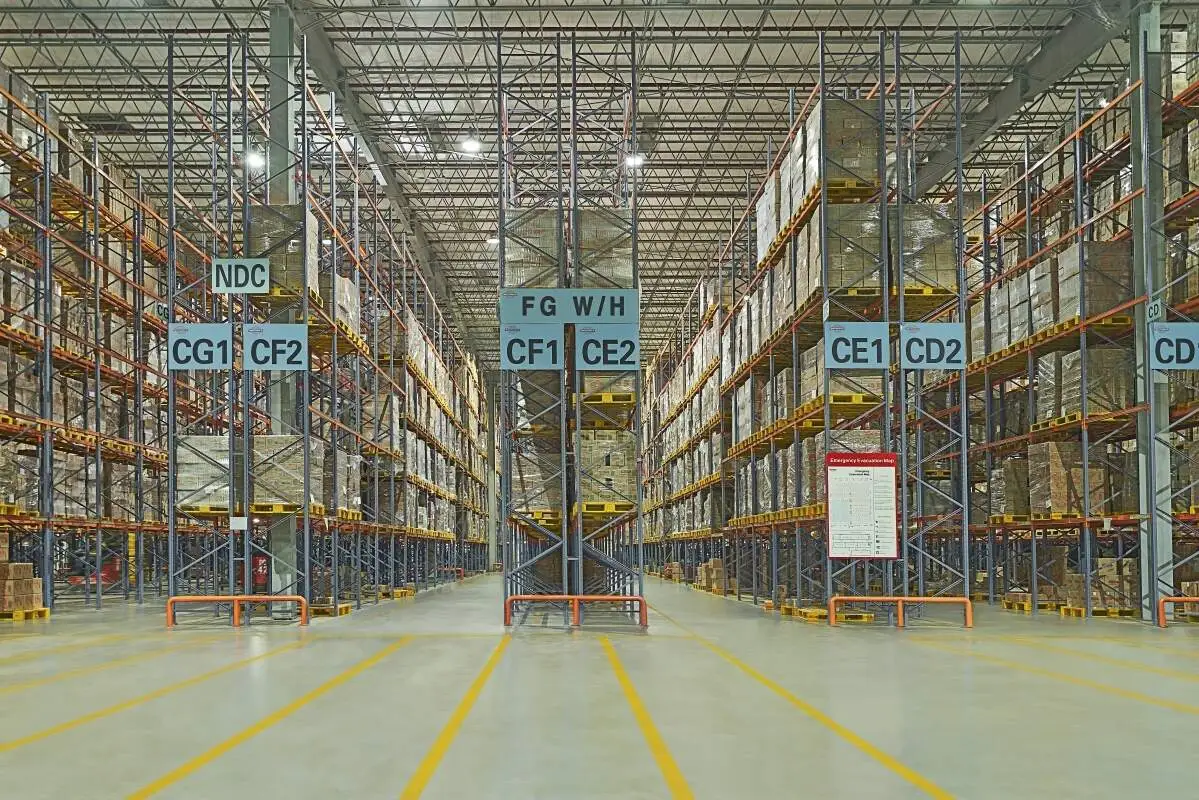
With the gradual maturation of new energy forklift technology, more and more heavy-duty operation scenarios are beginning to replace fuel forklifts. The purchase of suitable new energy forklifts is of great significance to improve operational efficiency and reduce operating costs. When selecting models, focus on the following dimensions.
core parameter matching
Rated load reserve redundancy
The weight of goods in heavy-duty operations often fluctuates greatly. When selecting models, it is not necessary to only refer to the weight of conventional goods to match the rated load. It is necessary to take into account the weight of attachments and peak operating load. It is usually recommended to reserve 10% to 15% of the load redundancy to avoid long-term overload operation of the vehicle, reduce excessive wear and tear of the motor and battery, and prolong the service life of the vehicle.
Dynamic performance adaptation working conditions
Heavy-duty scenarios often involve job requirements such as climbing, long-distance transshipment, and continuous lifting of heavy goods. When selecting models, we should focus on the two core indicators of motor peak torque and battery continuous discharge capacity to avoid selecting models with insufficient power reserves and prevent problems such as weak climbing, slow lifting speed, and excessive power failure under high load, which will affect the smooth operation.
Job scene adaptation
Special environmental protection standards
If the operation scenario involves cold storage, high dust, or corrosive environments, it is necessary to confirm that the protection level of the vehicle's battery, circuit, and body structure meets the requirements of the scenario, to avoid circuit short circuits, body corrosion, and other failures due to environmental factors, and to reduce the risk of subsequent operation and maintenance.
Replenishment mode adaptation shift scheduling
It is necessary to choose an appropriate replenishment plan based on your own work schedule. For scenarios with a single shift duration of about 8 hours, you can choose a regular battery life model. If it is a scenario with two shifts and continuous operation, you should give priority to models that support fast charging or battery quick change to avoid mid-shift replenishment taking up work time.
Long-term operating cost considerations
When selecting the model, do not only pay attention to the vehicle procurement cost, but also comprehensively evaluate the battery quality assurance cycle, the versatility of wearing parts, the difficulty of daily maintenance and other factors, calculate the operating cost of the whole life cycle of the vehicle, and choose a more cost-effective model. According to the above dimensions, you can basically choose a new energy forklift that suits your own heavy-duty operation needs, and control the operation investment while ensuring the operation efficiency.