简体中文
简体中文 Deutsch
 日本語
日本語 한국어
한국어 Tiếng Việt
 Русский
 ไทย
ไทย Bahasa Indonesia
 Bahasa Melayu
 Filipino
 لالعربية
 Français
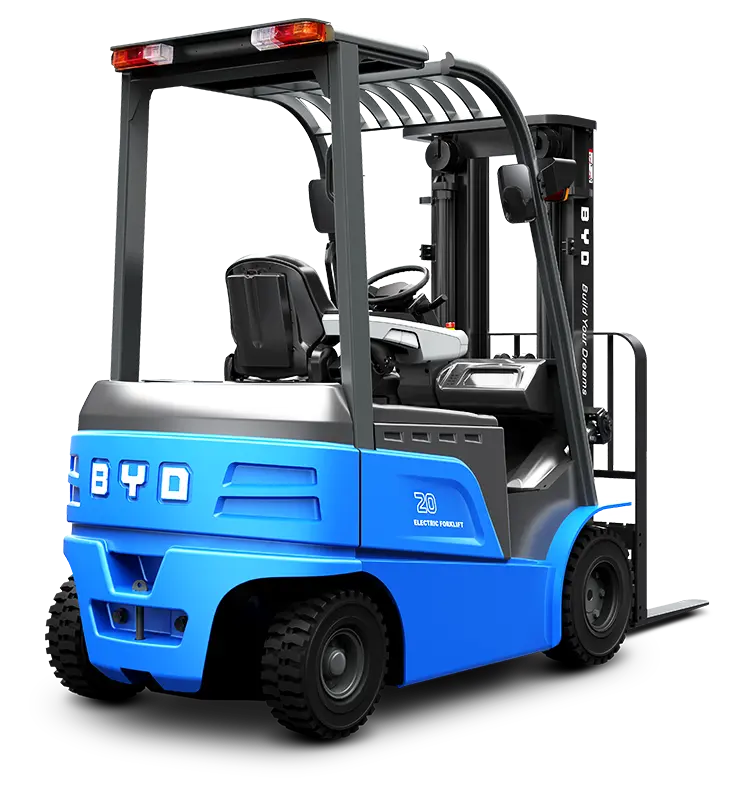
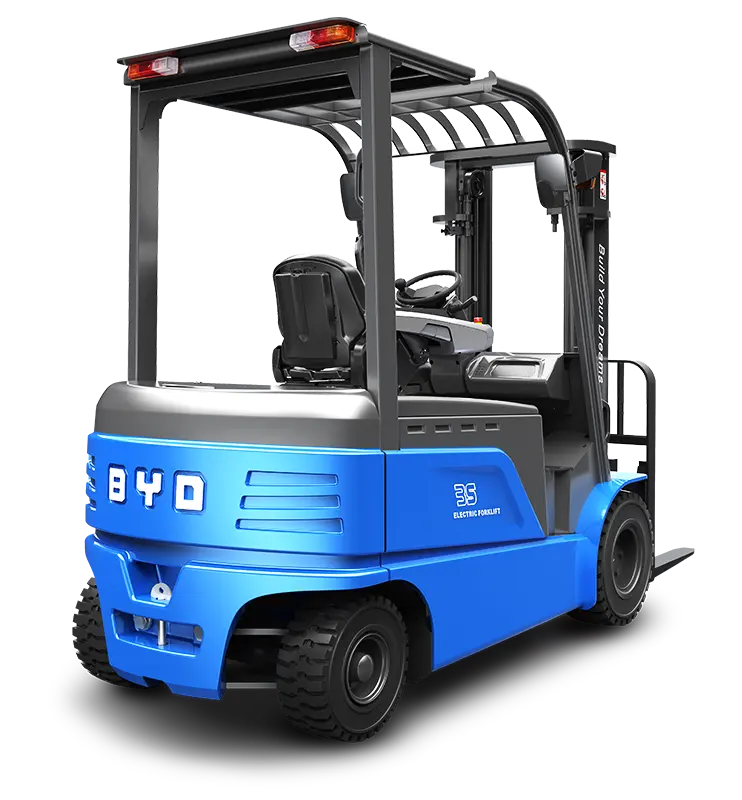
At present, the operating costs of the domestic warehousing and logistics industry continue to rise, and forklifts, as the core equipment of on-site operations, are the focus of many enterprises' cost control. The energy-saving performance of new energy forklifts has also become the core reference dimension for many users when selecting models.
The core energy-saving advantages of new energy forklifts
The power conversion efficiency advantage is the core support for the energy saving of new energy forklifts. The fuel energy conversion efficiency of traditional internal combustion forklifts is generally between 20% and 30%, and a large amount of energy will be lost in the form of heat energy, while new energy forklifts are driven by motors, and the conversion efficiency of electric energy to kinetic energy can reach more than 85%. At the same time, during the idle period waiting for loading and unloading between operations, internal combustion forklifts need to keep idling, which will generate ineffective energy consumption. New energy forklifts can directly suspend power output without generating additional energy consumption, which can reduce the cost of many non-operating hours.
The energy recovery function further amplifies the energy saving effect. Nowadays, mainstream new energy forklifts are generally equipped with braking energy recovery systems. When the vehicle is downhill, decelerating, and the fork is lowered, the excess kinetic and potential energy can be converted into electrical energy and recycled into the power battery. Depending on the operation scenario, this function can reduce the overall energy consumption by 10% to 15%.
Actual usage data reference for different scenarios
In the conventional loading and unloading scenario of the flat warehouse, according to the operation intensity calculation of 8 hours of operation per day and 1 to 2 tons of single handling weight, the average daily fuel cost of the traditional internal combustion forklift with the same load class is about 120 to 150 yuan, while the average daily charging cost of the new energy forklift is only 25 to 35 yuan.
In the cold chain high-load operation scenario, the low temperature environment will cause the combustion efficiency of the internal combustion forklift to decrease, and the fuel consumption will be about 15% higher than that of the conventional scenario. However, the new energy forklift equipped with low-temperature special batteries will not increase the energy consumption by more than 5%. Compared with the internal combustion forklift, the energy saving can reach more than 75%, and the cost advantage of long-term use is more obvious.
In addition to energy consumption costs, new energy forklifts do not have the maintenance expenses such as oil replacement and three filter replacement required for internal combustion vehicles, and the advantages of comprehensive use costs will be further highlighted. Enterprises can choose the appropriate model based on their own operating scenarios and operating intensity.