简体中文
简体中文 Deutsch
 日本語
日本語 한국어
한국어 Tiếng Việt
 Русский
 ไทย
ไทย Bahasa Indonesia
 Bahasa Melayu
 Filipino
 لالعربية
 Français
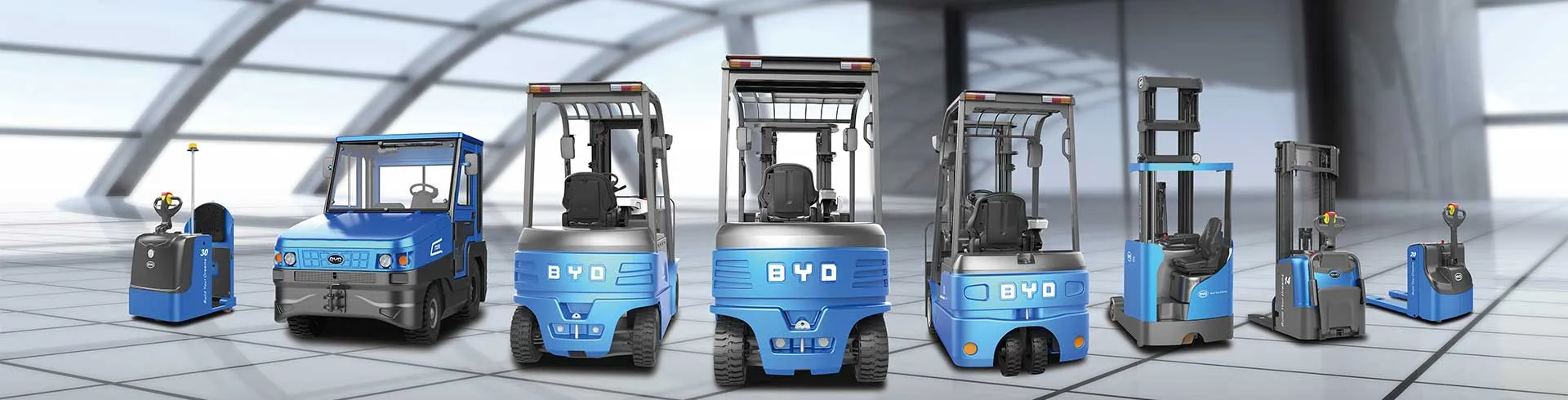
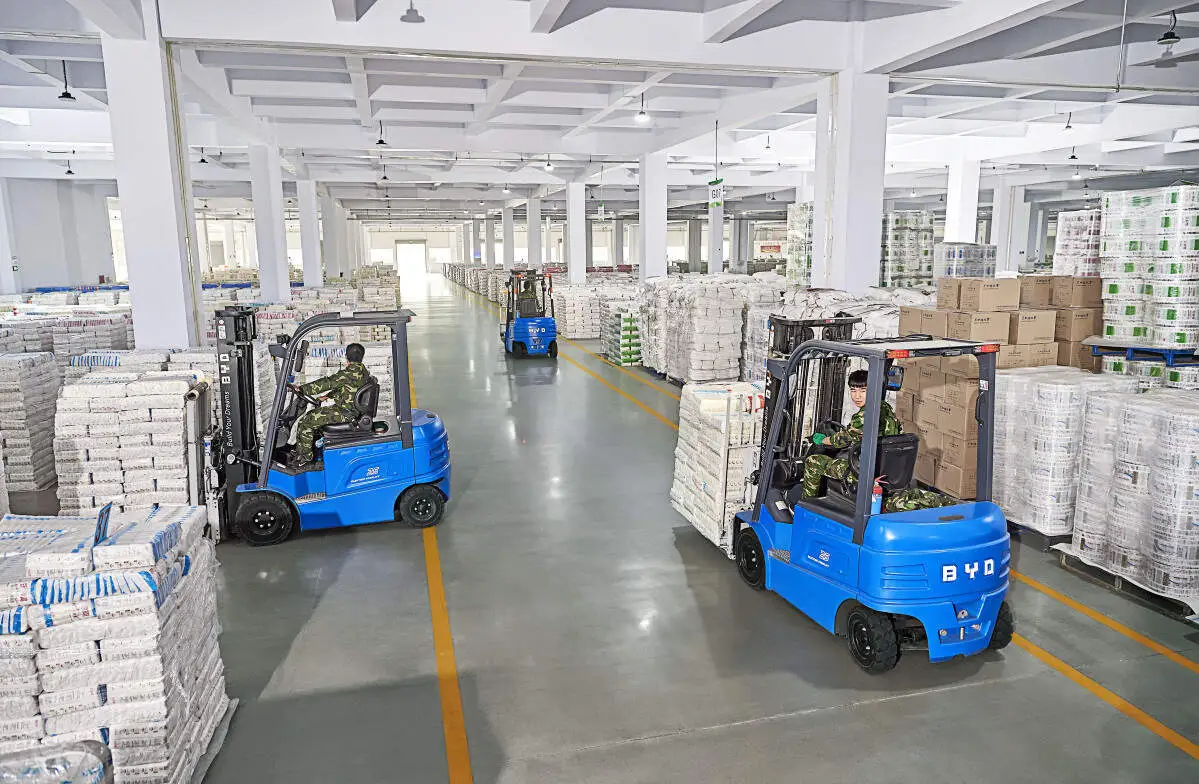
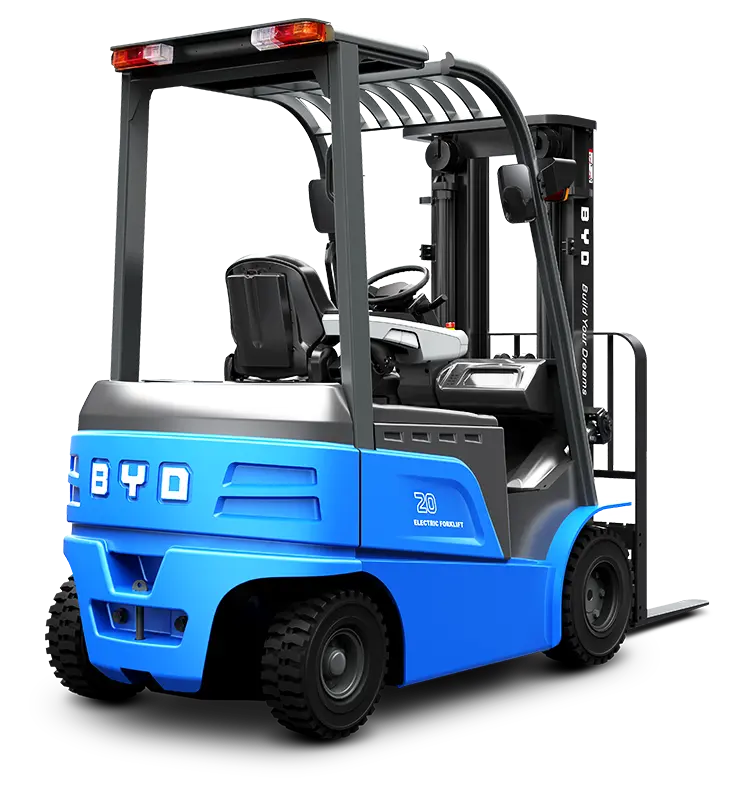
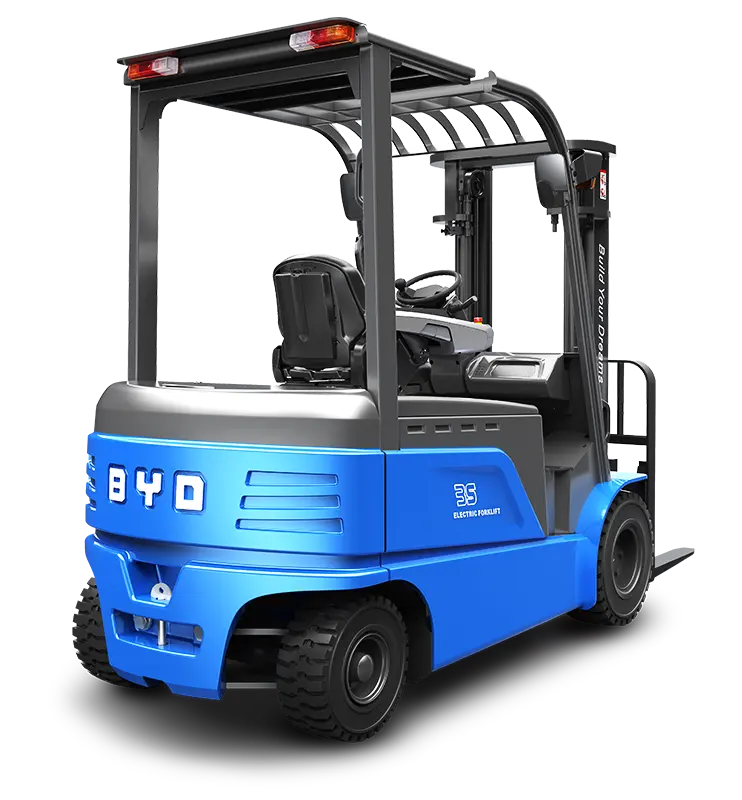
Bulk procurement of electric lithium-ion forklifts is a routine procurement requirement for many manufacturing, logistics, and warehousing enterprises. Many purchasers often only focus on single-purchase bare car quotations. In fact, there are many cost optimization opportunities in the full link from selection to subsequent use.
The first is cost optimization in the procurement process.
The first is to match the model parameters on demand, without blindly choosing the configuration that exceeds the actual operation needs. Before purchasing, you can first count the operation requirements of the whole scene, including core indicators such as conventional load, lifting height, average daily operation time, and operation channel width, and then match the models with corresponding parameters, without paying additional costs for redundant functions. If the model parameters used in multiple scenarios are similar, the specifications of wearing parts and batteries can be unified as much as possible, which can not only reduce the production and stocking cost of the supplier, strive for a lower purchase quotation, but also reduce the spare parts storage cost for subsequent operation and maintenance.
The second is the additional rights and interests of packaging negotiation. Bulk procurement has more room for bargaining. In addition to lowering the unit price of bare cars, free operation and maintenance periods, free wearing parts, free training for operators, and door-to-door after-sales response timeliness can also be included in the scope of negotiation. If these services are purchased separately, they often need to pay higher fees. Including purchasing rights and interests in packaging can directly reduce subsequent expenditure costs.
The second is the cost optimization of long-term use.
The first is to unify operation and maintenance management standards. The parameter configuration of bulk purchased models is similar, and unified daily maintenance, charging operation, and operation specifications can be formulated to reduce battery loss and component failure probability caused by improper operation, prolong the overall service life of forklifts, and reduce unnecessary maintenance and replacement expenses.
The second is to clarify the residual value treatment rules in advance. During the procurement negotiation stage, the deduction standard for subsequent recovery and replacement of old cars can be agreed with the supplier. When the vehicle reaches the service life and needs to be iterated, part of the new car purchase cost can be directly deducted to reduce the loss caused by asset depreciation.
Overall, the cost optimization of bulk procurement of electric lithium-ion forklifts cannot be limited to the quotation of a single purchase. It is necessary to consider all kinds of expenses in the whole life cycle, and to optimize the whole link from early selection to late operation and maintenance in order to achieve long-term cost control and meet the operational needs of enterprises.