
 简体中文
简体中文 Deutsch
 日本語
日本語 한국어
한국어 Tiếng Việt
 Русский
 ไทย
ไทย Bahasa Indonesia
 Bahasa Melayu
 Filipino
 لالعربية
 Français
Daily energy consumption cost calculation
Basic energy expenditure
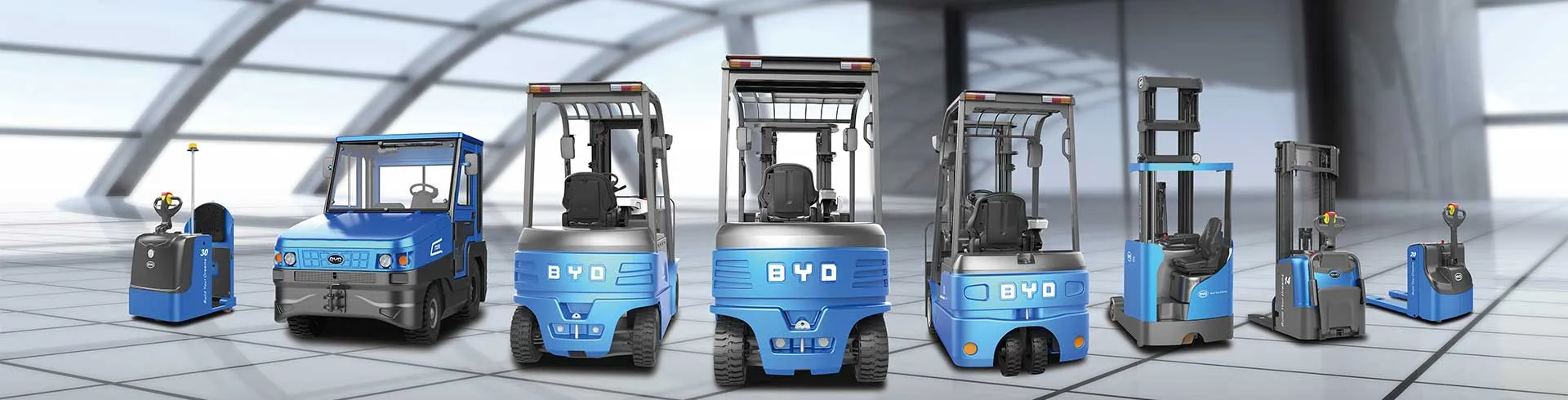
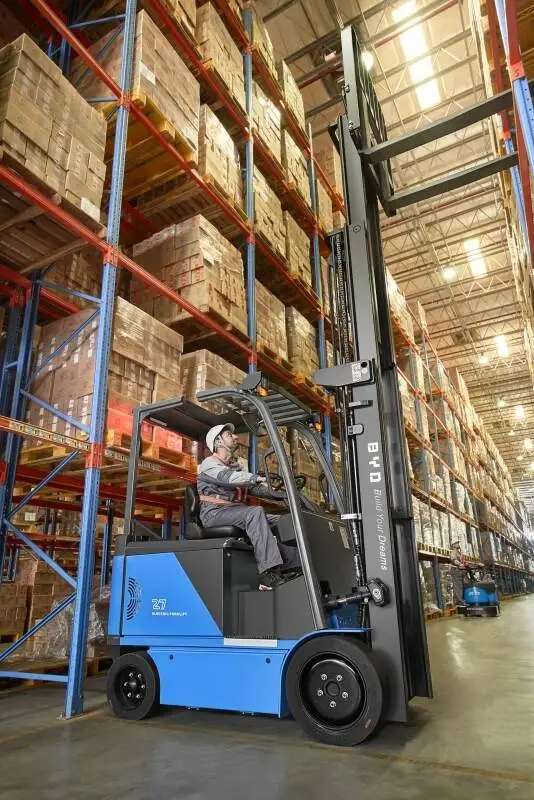
This 3.5-ton counterbalanced lithium-ion forklift has a reasonable range of energy consumption per hour under conventional load conditions. According to the standard calculation of most manufacturing and logistics enterprises with an average annual operation of 2,000 hours, the total annual electricity expenditure is controllable, which is far lower than the annual fuel cost of fuel models of the same tonnage. There will be no exhaust emissions during the operation process, and there is no need to support the compliance management cost of fuel storage, and there is no need to invest additional expenses related to exhaust purification.
Charging package cost
Most of the existing industrial power wiring ports in enterprises can meet the charging needs of vehicles, and only a charging cabinet that meets safety standards can be used to complete daily replenishment. The initial charging investment is low, and there is no additional maintenance-related cost in the future.
Maintenance loss cost accounting
Regular maintenance expenses
The lithium-ion power structure removes the relevant components of the traditional internal combustion engine, and the daily maintenance does not require the replacement of a large number of exclusive components for internal combustion vehicles such as oil, fuel filter elements, and spark plugs. It only requires regular testing of the vehicle structure and battery health status according to a fixed cycle. The single maintenance time is short, and the labor cost is lower.
wearing parts replacement cost
The conventional wearing parts of vehicles include general components such as tires, brake pads, and lighting components. Such components have a large market share, and the procurement cost is not high. Under normal working conditions, the replacement cycle is generally long, and the total expenditure related to long-term use is at a low level.
Full-cycle depreciation cost calculation
Average annual depreciation expense
The designed service life of the whole vehicle meets the general standards of the industry, the number of power battery cycles is sufficient, and it can support continuous operation for many hours at full power. During long-term use, the power decay rate is flat, and the whole life cycle span is long. The depreciation cost can be controlled until it is spread out every year.
Hidden cost reduction
Compared with fuel models, lithium-ion models generate little additional noise pollution during operation, and do not require a special person to be responsible for fuel procurement and storage management. The relevant hidden management costs can be significantly reduced, and the residual value of the vehicle after expiration can be superimposed. The overall cost of long-term operation can be effectively controlled.


