
 简体中文
简体中文 Deutsch
 日本語
日本語 한국어
한국어 Tiếng Việt
 Русский
 ไทย
ไทย Bahasa Indonesia
 Bahasa Melayu
 Filipino
 لالعربية
 Français

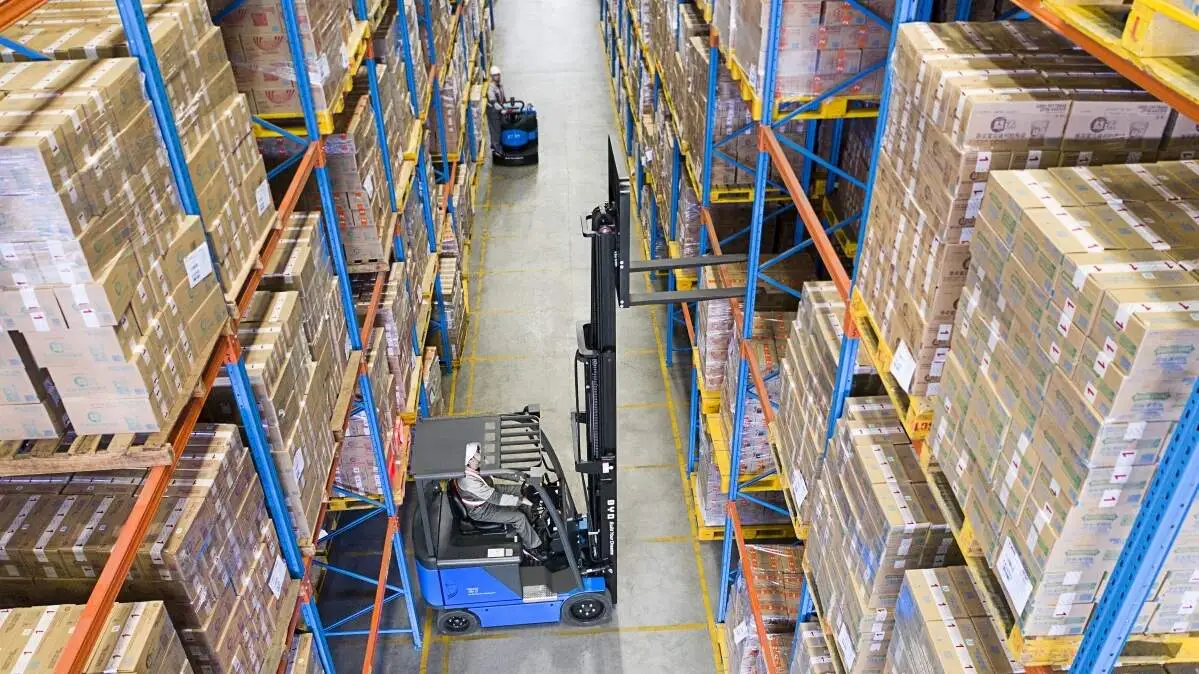
The core components of the replacement cost difference
Initial acquisition cost variance
In the early stages of considering equipment replacement, many companies will notice that the first purchase cost of lithium-ion models is slightly higher than that of traditional internal combustion models, so they will prioritize short-term investment to make decisions. However, to obtain an objective cost reference conclusion, it is necessary to lengthen the accounting cycle, cover the entire life cycle of the equipment, and calculate all relevant expenses to avoid decision-making biases caused by single-dimensional evaluation.
Life cycle operating cost comparison
Daily energy cost difference
Traditional internal combustion forklifts use fuel as a power source, and the consumption cost per unit operation time is long-term affected by the fluctuation of refined oil prices. The annual fuel expenditure in high-frequency operation scenarios is a rigid and continuous large investment. Lithium-ion forklifts under the same working conditions supplement energy with industrial electricity, and the energy consumption cost per unit operation time is much lower than the fuel cost. In the scenario of long-term high-frequency operation, the cost advantage of energy consumption will continue to be reflected, and it will not be disturbed by excessive fluctuations in energy prices.
Daily operation and maintenance cost difference
The power system structure of traditional internal combustion forklifts is complex, requiring regular replacement of oil, various filter elements, and power-related wearing parts. The annual maintenance expenditure accounts for a high proportion of operating costs, and it is also prone to unplanned shutdowns due to power system failures, which affects the overall handling operation efficiency. The power structure of lithium electric forklifts is simpler, and there are no complex components related to fuel power. Daily routine inspections of brakes, tires, and appearance are only required, and there is almost no maintenance expenditure related to oil replacement, which greatly reduces the capital and time investment of operation and maintenance.
Long-term comprehensive income reference
Lithium forklifts have no exhaust emissions during operation, lower operating noise, and are fully adapted to the environmental protection requirements of indoor warehousing and closed workshops. They can also reduce the health impact of long-term operations on front-line operators. By considering the input-output calculation of the whole life cycle, the long-term cost advantage of replacing lithium forklifts is even more significant.


