简体中文
简体中文 Deutsch
 日本語
日本語 한국어
한국어 Tiếng Việt
 Русский
 ไทย
ไทย Bahasa Indonesia
 Bahasa Melayu
 Filipino
 لالعربية
 Français
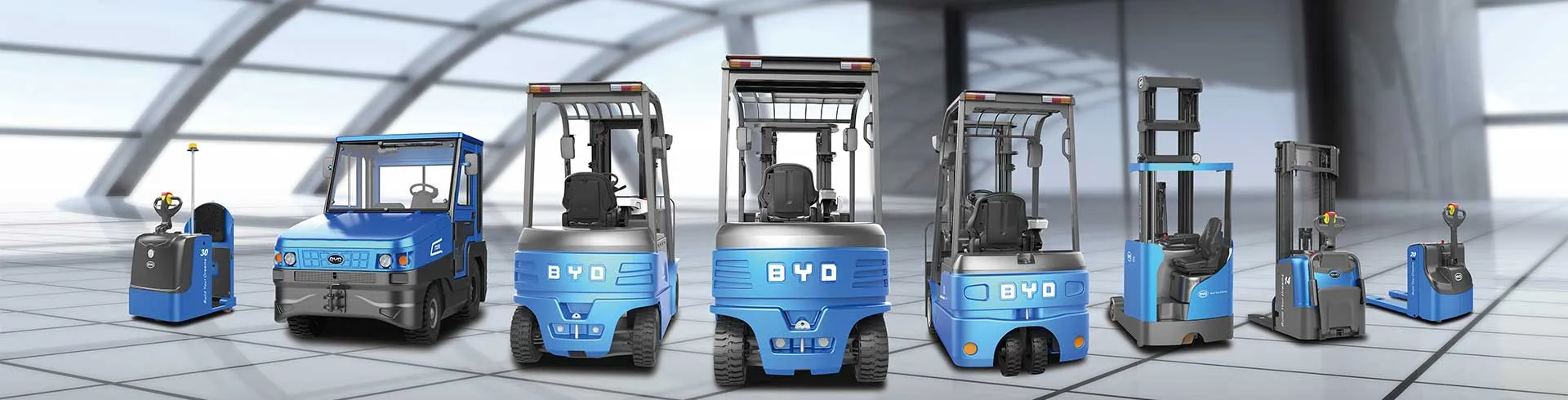
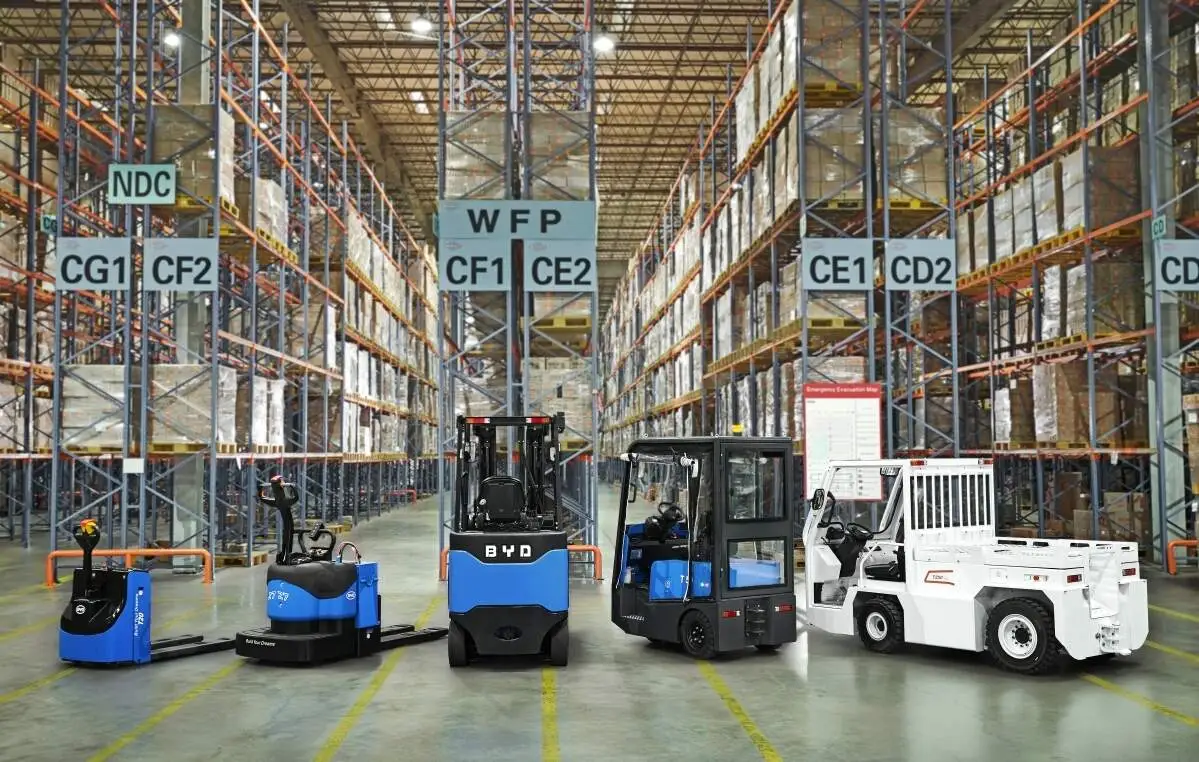
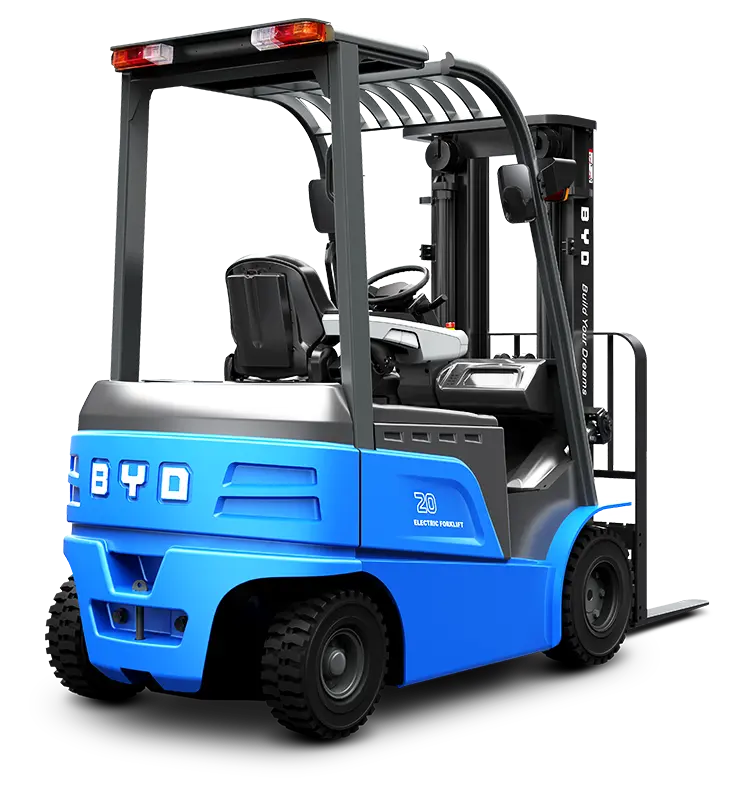
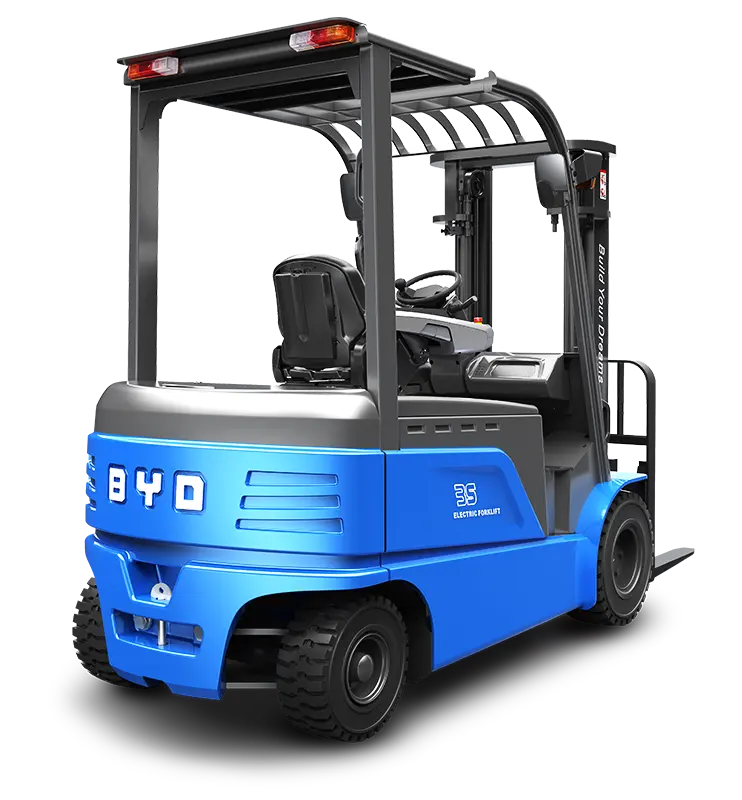
With the intensive development of the warehousing industry, the storage height of most three-dimensional warehouses continues to increase, and the demand for high-level access operations continues to grow. Traditional forklifts are limited by performance parameters, making it difficult to adapt to such operation scenarios, resulting in a variety of operational pain points.
Common pain points of high-level operations in three-dimensional warehouses
The bottleneck of operation efficiency is the primary problem faced by many warehouses. Traditional forklifts have limited lifting heights, unable to reach the storage space of high shelves, and the field of vision is seriously blocked during high-level operation. Drivers need to repeatedly adjust their positions to align the cargo space, which greatly increases the time consumption of a single operation. During peak hours of inbound and outbound warehousing, it is easy to cause roadway congestion and slow down the overall storage circulation efficiency.
The difficulty of safety control also increases. When working at a high level, the center of gravity of the goods moves up with the lifting height. If the stability of the forklift is insufficient, safety accidents such as rollover and falling of the goods are prone to occur. At the same time, the blind spot of the high-level operation is large, which also increases the hidden danger of the fork colliding with the shelf and scratching the roadway facilities.
The lack of space adaptation also affects the storage utilization rate. Some traditional forklifts have large turning radii and cannot pass flexibly in the narrow lanes of the three-dimensional warehouse. Some operators have to widen the lanes to reserve operating space, but compress the actual storage area.
The core adaptation scheme of high gantry electric forklift
Operational performance adaptation is the core foundation of the scheme. Optimize the gantry structure for high-level operation requirements, which can meet the high-level access requirements ranging from 8 to 12 meters, and optimize the lifting speed control logic. The no-load and full-load lifting and lowering speed parameters match the actual operation scene, and cooperate with the vision optimization design to reduce the blocking range of the gantry, improve the operation accuracy, and greatly reduce the time consumption of a single operation.
The safety protection design fully covers the whole process of operation. Optimize the counterweight and chassis structure of the whole vehicle to improve the stability of the body in the state of driving and stacking. At the same time, it is equipped with auxiliary features such as automatic perception of fork height, speed limit of high-level operation, and obstacle avoidance at the edge of the roadway to reduce the safety risk caused by human operation errors.
Operating cost optimization adapts to long-term operating needs. Using an electric drive architecture, the energy consumption cost is lower than that of traditional internal combustion forklifts. At the same time, the core wear-resistant components are structurally optimized to reduce the frequency of daily maintenance, which can adapt to the needs of long-term continuous operation of three-dimensional warehouses and help operators control comprehensive operating costs.