
 简体中文
简体中文 Deutsch
 日本語
日本語 한국어
한국어 Tiếng Việt
 Русский
 ไทย
ไทย Bahasa Indonesia
 Bahasa Melayu
 Filipino
 لالعربية
 Français
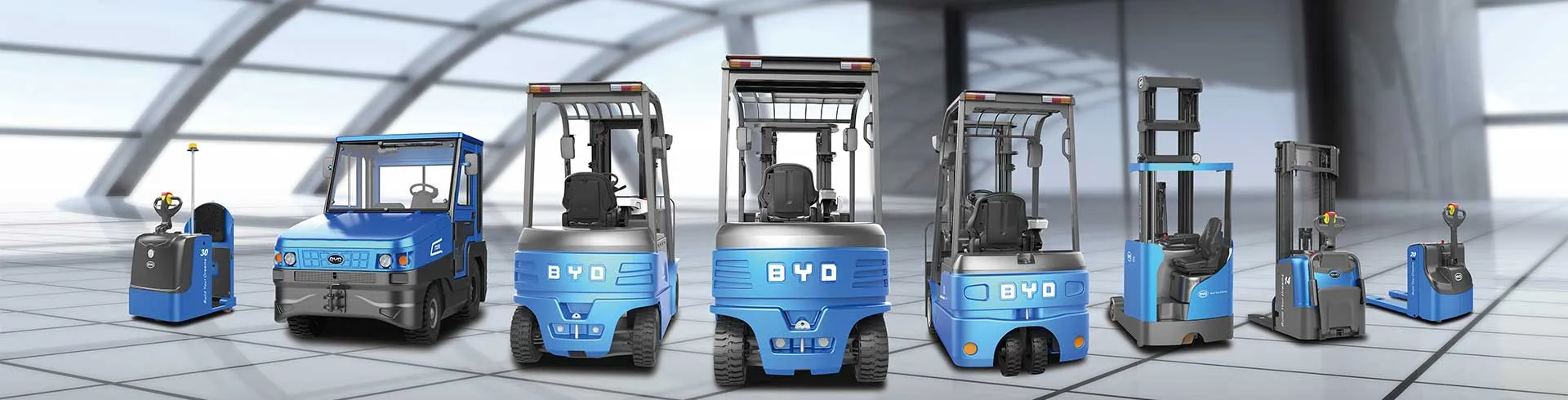
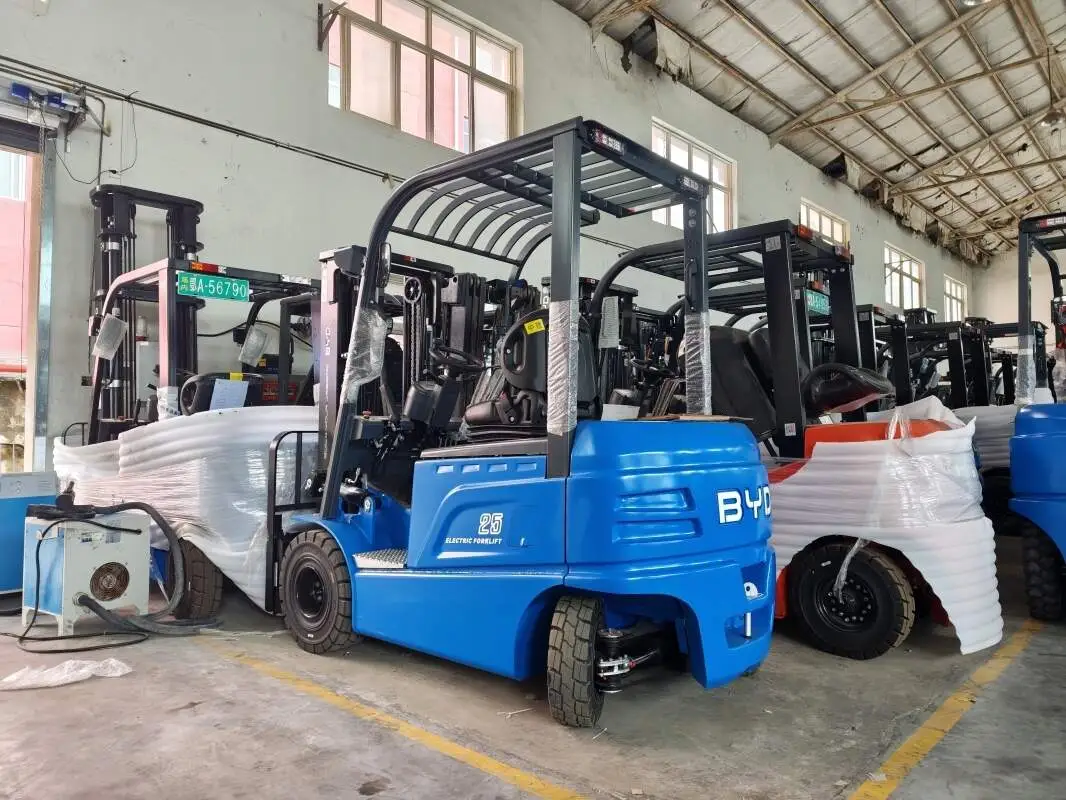
The braking system of an electric forklift is one of the core components to ensure the safety of the operation. In long-term high-frequency storage and handling operations, various brake parts will gradually wear out due to friction, aging and other factors. Timely identification and replacement of the original parts can effectively prolong the overall life of the braking system and avoid safety hazards caused by brake failure. Here is a list of common loss parts of the electric forklift braking system, and a detailed explanation of the relevant details of the original brake parts.
Brake friction pads are one of the most easily worn parts in the braking system, which directly affects the braking effect. The original brake friction pads are made of special materials suitable for the working conditions of the forklift braking system. They have a stable friction coefficient and can maintain reliable braking efficiency under different operating environments such as low temperature, humidity or heavy load. During daily inspections, if the thickness of the friction pads is found to be worn below the specified threshold, or the surface is seriously cracked or eccentric, it needs to be replaced in time.
The leather bowl of the brake master pump is a key small part to ensure the sealing of the hydraulic brake system. The original matching leather bowl is made of oil-resistant and wear-resistant rubber material, which can adapt to the erosion of the brake hydraulic oil and frequent piston movement, and effectively prevent the leakage of hydraulic oil. If the leather bowl is aged, cracked, deformed, etc., it will lead to insufficient braking pressure and cause brake failure. Therefore, during daily maintenance, pay attention to whether the brake master pump has signs of oil leakage. Once any abnormality is found, the leather bowl needs to be replaced in time.
The piston sealing ring of the brake pump also plays the role of sealing the hydraulic oil, which can ensure the hydraulic transmission efficiency of the pump and make the braking response more timely. The original matching sealing ring has good sealing and anti-aging performance, and can maintain a stable state in a long-term high-pressure environment. When the sealing ring is deformed, damaged or elastic, it will cause the pressure relief of the pump, which will affect the braking effect and needs to be replaced in time.
The brake hose is connected to the brake master pump and the sub-pump, which is the channel for hydraulic transmission. The original brake hose is made of high-strength oil-resistant rubber with a protective layer on the outer layer, which can withstand the impact of high-pressure hydraulic oil and resist friction and corrosion in the working environment. During daily inspections, pay attention to whether the hose is broken, bulged, aged and hard, etc. If there is any abnormality, it needs to be replaced immediately to avoid brake failure caused by hose failure.
The brake shoe return spring is responsible for the reset of the brake shoe. The elastic parameters of the original spring strictly match the design requirements of the forklift brake system, which can ensure that the brake shoe is reset in time after releasing the pedal to avoid the phenomenon of dragging the brake. After long-term use, the spring elastic force will gradually weaken, resulting in the brake shoe cannot be fully reset, which not only increases energy consumption, but also accelerates the wear of the brake parts. Therefore, the elastic state of the spring should be checked regularly and replaced if necessary.
When replacing brake wear and tear parts, it is recommended to choose the original parts first. It accurately adapts the design parameters of the forklift brake system to ensure the stability of braking performance to the greatest extent. In daily operations, it is necessary to develop the habit of regularly checking the brake system and deal with the problem of small parts wear and tear in a timely manner, so that the electric forklift can always maintain a reliable braking state to ensure the safety of the operation.


