
 简体中文
简体中文 Deutsch
 日本語
日本語 한국어
한국어 Tiếng Việt
 Русский
 ไทย
ไทย Bahasa Indonesia
 Bahasa Melayu
 Filipino
 لالعربية
 Français
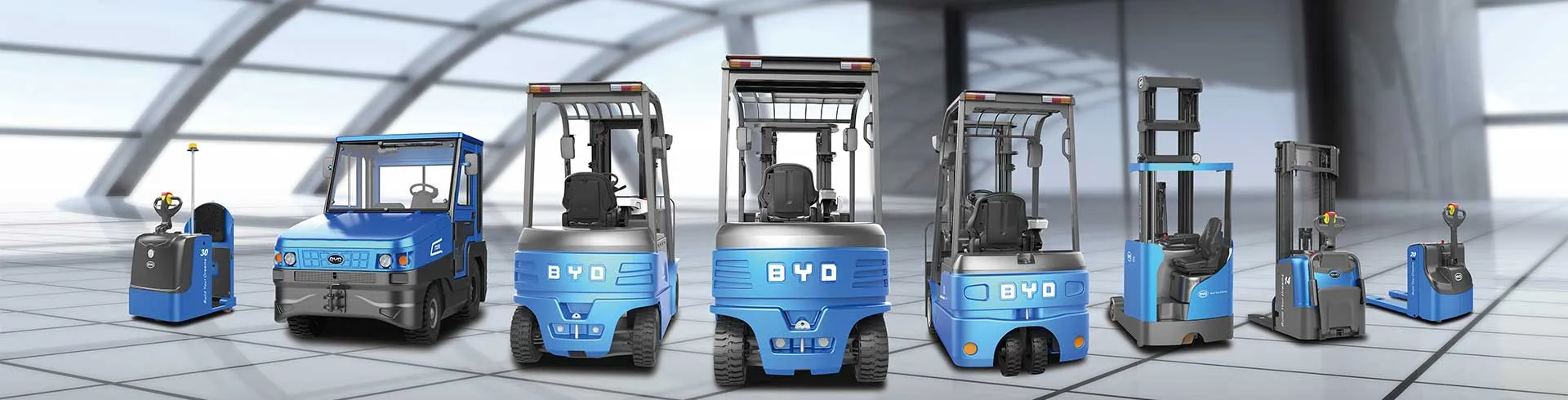
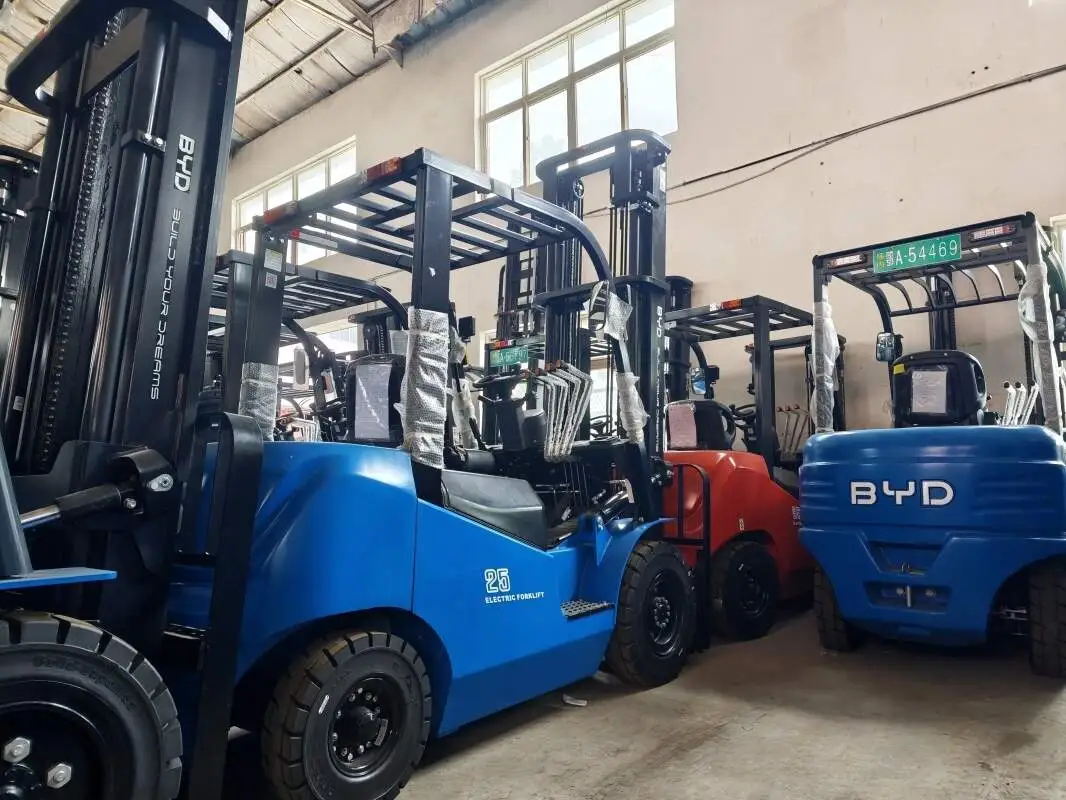
In the disc brake system of an electric forklift, the friction plate and the small sealing parts are the core components to ensure the braking performance and operation reliability, and their adaptability is directly related to the performance of the equipment under different working conditions. There are differences in environmental conditions and working intensity in different operating scenarios, and the performance requirements for these two types of components are also different. Therefore, it is of great practical significance to carry out working condition adaptation analysis.
Indoor storage conditions are usually relatively clean, with low dust and humidity, moderate work intensity, forklifts mostly running on flat ground, and moderate braking frequency. For friction plates, it is necessary to have a stable friction coefficient to ensure linear braking response, while taking into account wear resistance and low noise performance, to avoid excessive abnormal noises in a quiet storage environment. Sealed small parts focus on basic dust resistance, and materials with high fit can be selected. There is no need to pursue special corrosion resistance excessively to control the cost of use.
Outdoor complex working conditions often face complex environments such as mud, sand and dust, high and low temperatures, etc. Forklifts may operate on muddy roads, ramps and other places, and the braking load is large. At this time, the friction plate needs to have excellent thermal stability to avoid thermal recession during long-term braking. At the same time, the surface material needs to have a certain anti-fouling ability to prevent sediment embedding from affecting the friction effect. Sealing small parts need to have the characteristics of water resistance and dust erosion. Materials with strong weather resistance are selected to ensure that the interior of the disc brake system is not invaded by external contaminants and maintain the cleanliness and function of the braking components.
In high-frequency start-stop working conditions such as logistics transfer centers, port loading and unloading areas, forklifts need to start and stop frequently, braking actions are extremely frequent, and the wear rate of the friction plate will be significantly accelerated. Under such working conditions, the friction plate needs to be made of materials with outstanding wear resistance, while ensuring that the friction coefficient remains stable during long-term use to avoid braking performance degradation due to wear. Small sealing parts need to adapt to frequent piston reciprocation, which has good fatigue resistance and prevents sealing failure due to repeated deformation.
In practical applications, it is necessary to select the appropriate disc brake friction plate and sealing small parts according to the characteristics of the specific working conditions, and at the same time carry out regular inspection and maintenance, and replace the parts with attenuated performance in time, in order to effectively ensure the braking safety and service life of the electric forklift and improve the overall operating efficiency.


