
 简体中文
简体中文 Deutsch
 日本語
日本語 한국어
한국어 Tiếng Việt
 Русский
 ไทย
ไทย Bahasa Indonesia
 Bahasa Melayu
 Filipino
 لالعربية
 Français
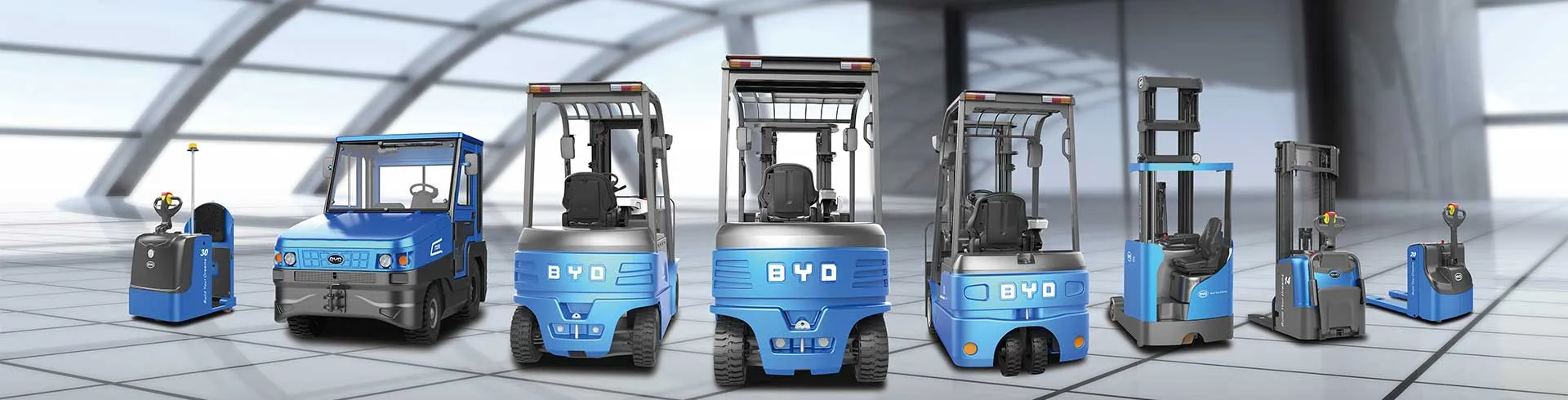
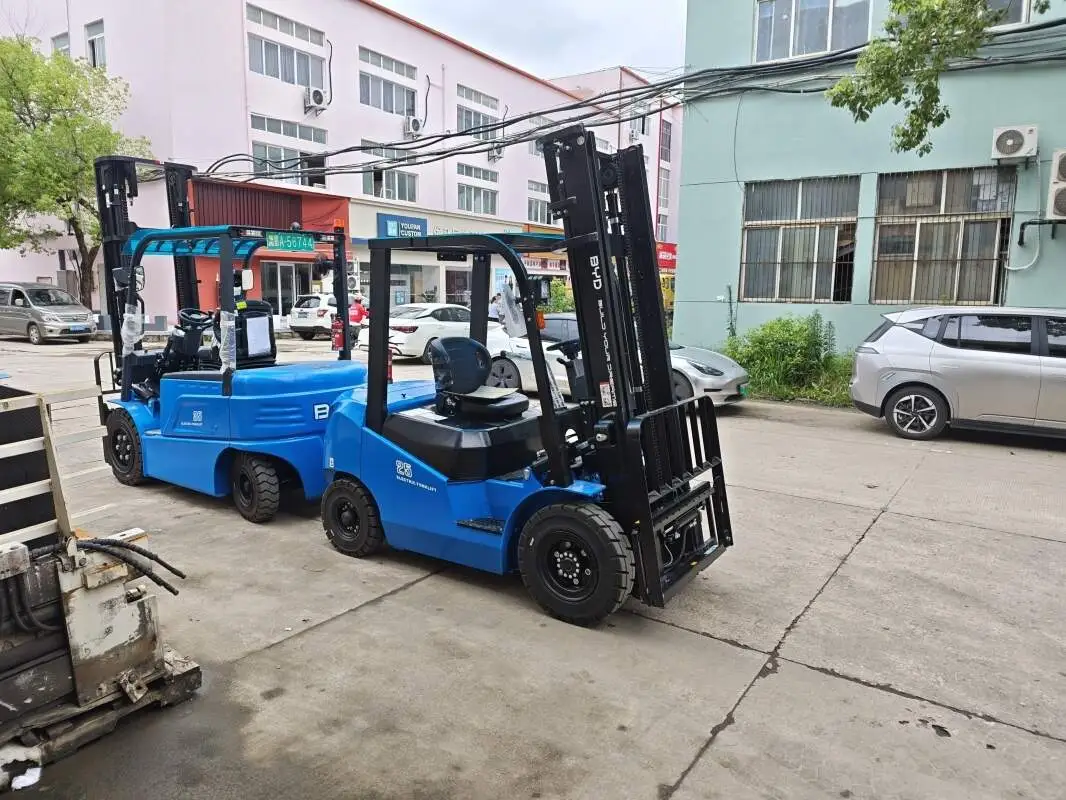
The standard filling of long-lasting grease is a key link to ensure the long-term stable operation of industrial storage forklifts and prolong the service life of components. Correct daily lubrication operations can effectively reduce component wear, reduce the failure rate, and improve storage operation efficiency.
First, the preparation work before the filling
First of all, it is necessary to confirm that the model of the grease matches the requirements of the forklift manual to avoid damage to the parts due to the discrepancy of the grease type. Prepare filling tools, such as grease guns, cleaning brushes, rags, etc., and ensure that there are no impurities on the surface of the tool. Park the forklift on a flat and solid ground before operation, turn off the flame and power, and pull up the parking brake to prevent accidental movement of the vehicle during operation. At the same time, use a cleaning brush and rag to clean the surface dust and oil on the filling part to avoid impurities from entering the interior of the parts with the grease.
Second, the grease filling operation of key parts
1. Door frame chain and rollers: lower the door frame to the lowest position, and evenly add grease to each chain link to ensure that the grease covers the contact surface of the chain link; slowly inject grease into the roller shafts on both sides of the door frame until a small amount of grease overflows from the gap to avoid excessive addition causing grease to drip and pollute the environment.
2. Steering system components: Find the ball head of the steering rod and the filling port of the steering gearbox, inject grease according to the dose required in the manual, and gently turn the steering wheel after filling to help the grease distribute evenly on the contact surface of the components.
3. Wheel bearings: For the bearing parts of the drive wheel and steering wheel, grease is injected through a special filling port until a small amount of grease overflows from the sealing edge of the bearing, indicating that the inside of the bearing has been fully lubricated, and then the excess grease that overflows is wiped.
4. Lifting cylinder: Apply a thin layer of grease evenly to the exposed surface of the piston rod of the cylinder, and pay attention to avoid the grease from entering the sealing components inside the cylinder to prevent affecting the sealing performance.
III. Inspection and closure after filling
After completing the filling of all parts, use a rag to wipe off the excess grease on the surface of the parts to prevent dust from adhering to form sludge. Start the forklift and conduct short-distance door frame lifting, steering, and driving tests to observe whether the parts are running smoothly and whether there are abnormal sounds or stuck conditions. At the same time, organize the filling tools and seal the remaining grease in a dry and cool place to avoid oil deterioration.
IV. Precautions for daily lubrication
It is necessary to establish regular lubrication records, marking the filling date, location and grease dosage, so as to facilitate follow-up tracking of component status. Adjust the lubrication frequency according to the storage operation environment, such as dusty and humid environments, the lubrication interval can be appropriately shortened. During high temperatures in summer, pay attention to selecting grease with high temperature resistance that meets the requirements; in low temperatures in winter, grease with better low temperature fluidity is preferred to ensure that the lubrication effect is not affected by temperature.


