
 简体中文
简体中文 Deutsch
 日本語
日本語 한국어
한국어 Tiếng Việt
 Русский
 ไทย
ไทย Bahasa Indonesia
 Bahasa Melayu
 Filipino
 لالعربية
 Français
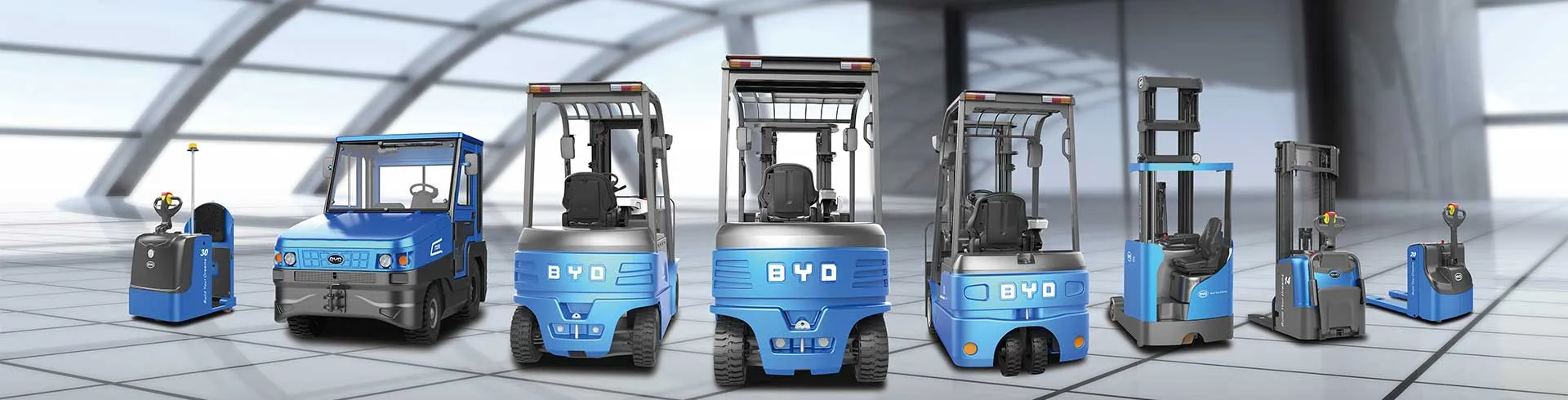
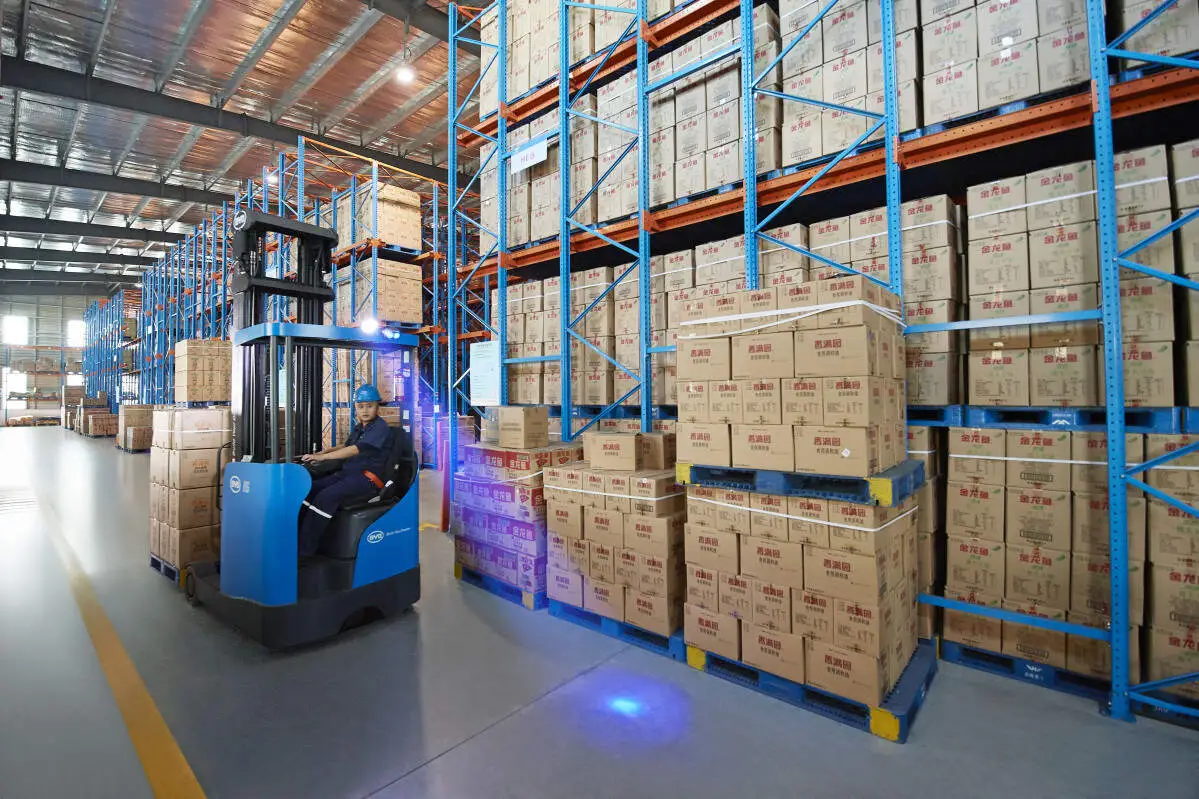
As a commonly used short-distance handling equipment, the stable operation of the hydraulic system is the core of its efficient work, and the reasonable selection and regular replacement of anti-wear hydraulic oil directly affect the service life and operating status of the equipment.
In the selection of anti-wear hydraulic oil, several core indicators need to be paid attention to. The first is the viscosity grade, which should be selected in combination with the ambient temperature. Medium viscosity oils can be selected in room temperature environments, and low temperature environments need to choose types with better low temperature fluidity to ensure that the hydraulic system can respond smoothly at different temperatures. Secondly, the anti-wear performance. Qualified anti-wear hydraulic oil can form a uniform protective film on the surface of hydraulic components, reducing direct wear between metals and reducing the probability of failure. In addition, the anti-rust and anti-corrosion performance of the oil should also be considered to avoid rust inside the hydraulic system and affect the operation accuracy.
Replacing the anti-wear hydraulic oil needs to follow the standard steps to ensure a thorough replacement. The first step is to prepare the work, prepare the appropriate anti-wear hydraulic oil, oil receiving container, wrench, cleaning cloth and other tools, park the manual ground cow on a flat ground, close the hydraulic valve, and prevent the hydraulic oil from ejecting during operation. The second step is to empty the old oil, find the oil discharge port of the hydraulic oil tank, place the oil receiving container and open the oil discharge valve. After the old oil is completely emptied, tighten the oil discharge valve. The third step is to clean the system, which can inject a small amount of new hydraulic oil, repeatedly manipulate the lifting handle of the ground cow, and let the new oil flush the internal pipeline and then empty again to remove the remaining old oil and impurities. The fourth step is to add new oil, open the fuel tank cover, and slowly inject anti-wear hydraulic oil that meets the specifications. Be careful not to exceed the highest liquid level line of the fuel tank. The fifth step is to exhaust and check, manipulate the lifting handle many times to discharge the air in the system, then check the liquid level of the fuel tank and replenish it to a suitable position. Finally, confirm that there is no leakage at each interface, and test whether the lifting of the ground cow is smooth.
Regular replacement of qualified anti-wear hydraulic oil is a key step in the daily maintenance of manual cattle. Correct selection and operation can effectively extend the service life of equipment, reduce maintenance costs, and ensure the efficient development of handling work.


