
 简体中文
简体中文 Deutsch
 日本語
日本語 한국어
한국어 Tiếng Việt
 Русский
 ไทย
ไทย Bahasa Indonesia
 Bahasa Melayu
 Filipino
 لالعربية
 Français
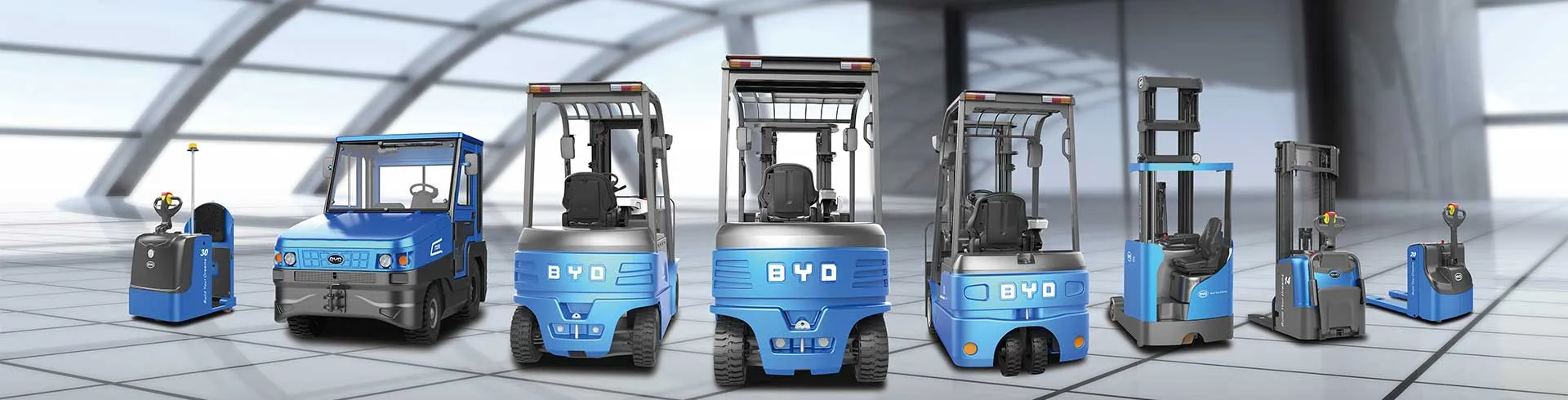
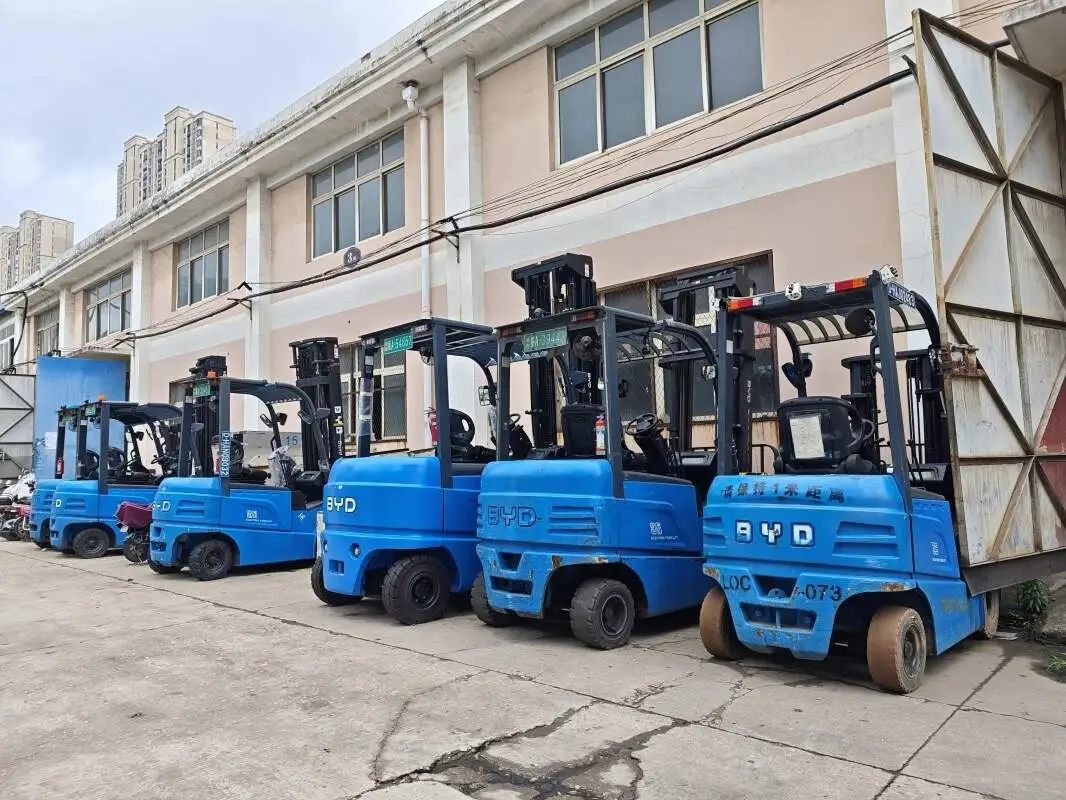
Electric forklifts are commonly used equipment in logistics warehousing and industrial production, and regular and standardized maintenance is the key to ensuring their stable operation and prolonging their service life. A professional set of electric forklift maintenance tools can make maintenance work more efficient and standardized. The following is a detailed introduction to the accessories and practical operation methods included in the set.
Electric forklift maintenance tool sets usually contain a variety of practical accessories to meet the different needs of daily maintenance. The first is the basic fastening tools, such as sleeve wrenches and inner hexagon wrench sets of different specifications, which are mainly used to fasten the bolts and nuts of the forklift body, wheels, motors and other parts to prevent failures due to loose parts. The second is the detection tools, such as tire pressure meters and voltmeters, which can respectively detect whether the tire pressure of the forklift is normal, as well as whether the battery voltage and circuit voltage are in the standard range, and timely detect potential power or walking system problems. Furthermore, lubrication tools, including grease guns and oil injection nozzles, are used to regularly lubricate the hinges, bearings, chains and other moving parts of the forklift to reduce component wear. In addition, there are also cleaning tools, such as brushes and high-pressure air guns, which are convenient for cleaning dust and debris on the surface and internal gaps of the forklift to avoid dust accumulation affecting the heat dissipation and operation of the equipment. Finally, some sets will also be equipped with filter removal tools for replacing air filter elements, hydraulic oil filter elements, etc., to ensure the cleanliness of the power system and hydraulic system.
When carrying out electric forklift maintenance, it is necessary to follow the standardized operation process to ensure the maintenance effect and operation safety. The first step is to make preparations: park the forklift in a flat and safe area, turn off the power supply and pull up the handbrake to avoid accidental movement of equipment during maintenance. At the same time, organize the maintenance tool set and check whether all kinds of accessories are complete and intact. The second step is to tighten the appearance and components: first use a brush and a high-pressure air gun to clean the dust and debris on the surface of the forklift, the engine compartment and the battery compartment, and then use a socket wrench and an inner hexagonal wrench to check and tighten the body frame, wheel hub, motor fixing bolts and other parts one by one to ensure that all connectors are not loose. The third step, the key parts of the detection: use the tire pressure meter to detect the air pressure of all tires, if it is lower than the standard value in time to replenish; with the help of the voltmeter to detect the voltage output of the battery pack, as well as the voltage stability of the circuit system, check whether there is a circuit aging or battery power loss problem. The fourth step, lubrication maintenance: find the hinge, steering bearing, lifting chain and other parts of the forklift that need to be lubricated, connect the grease gun through the oil injection nozzle, and inject the appropriate type of grease at a constant speed until the grease overflows from the gap to ensure that the parts are fully lubricated. The fifth step, filter element replacement: use the filter element removal tool, carefully remove the air filter element, hydraulic oil filter element, clean the debris in the filter element installation part, and then install the new filter element to ensure that the installation is firmly sealed to prevent im The sixth step, the final inspection: after the maintenance is completed, check again whether all tools are in place, start the forklift for short-distance practice running, confirm that the equipment is running normally, and there is no abnormal sound or fault prompt.
Regular use of professional maintenance tool sets to carry out standardized maintenance can not only reduce the failure rate of electric forklifts, but also reduce long-term maintenance costs, so that the equipment always maintains a good operating condition. Operators need to be familiar with the functions and practical operation methods of the tool sets, and implement various maintenance work according to the maintenance cycle to escort the safe and efficient operation of electric forklifts.


