简体中文
简体中文 Deutsch
 日本語
日本語 한국어
한국어 Tiếng Việt
 Русский
 ไทย
ไทย Bahasa Indonesia
 Bahasa Melayu
 Filipino
 لالعربية
 Français
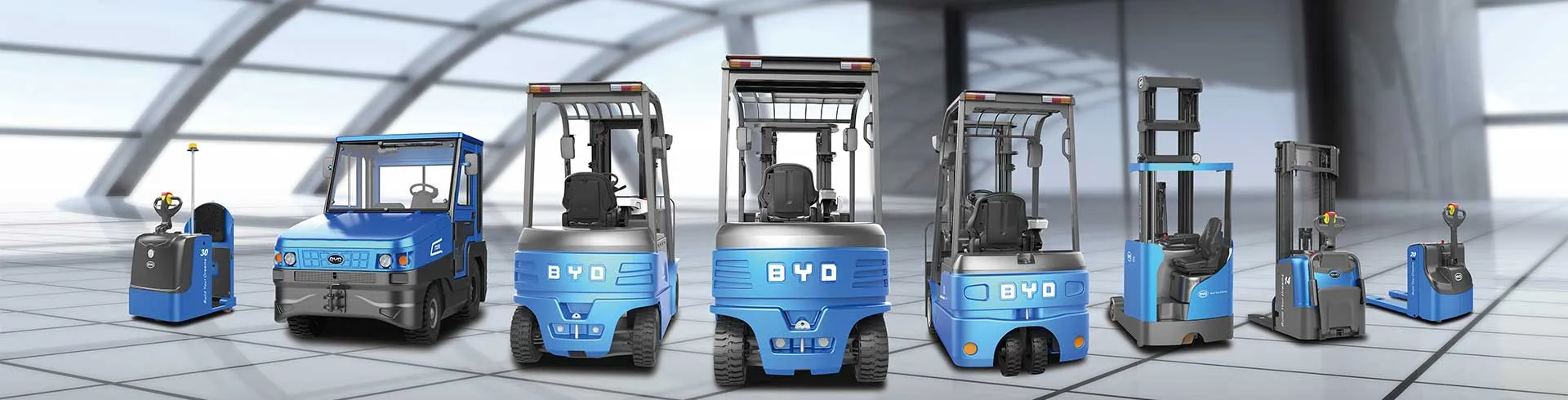
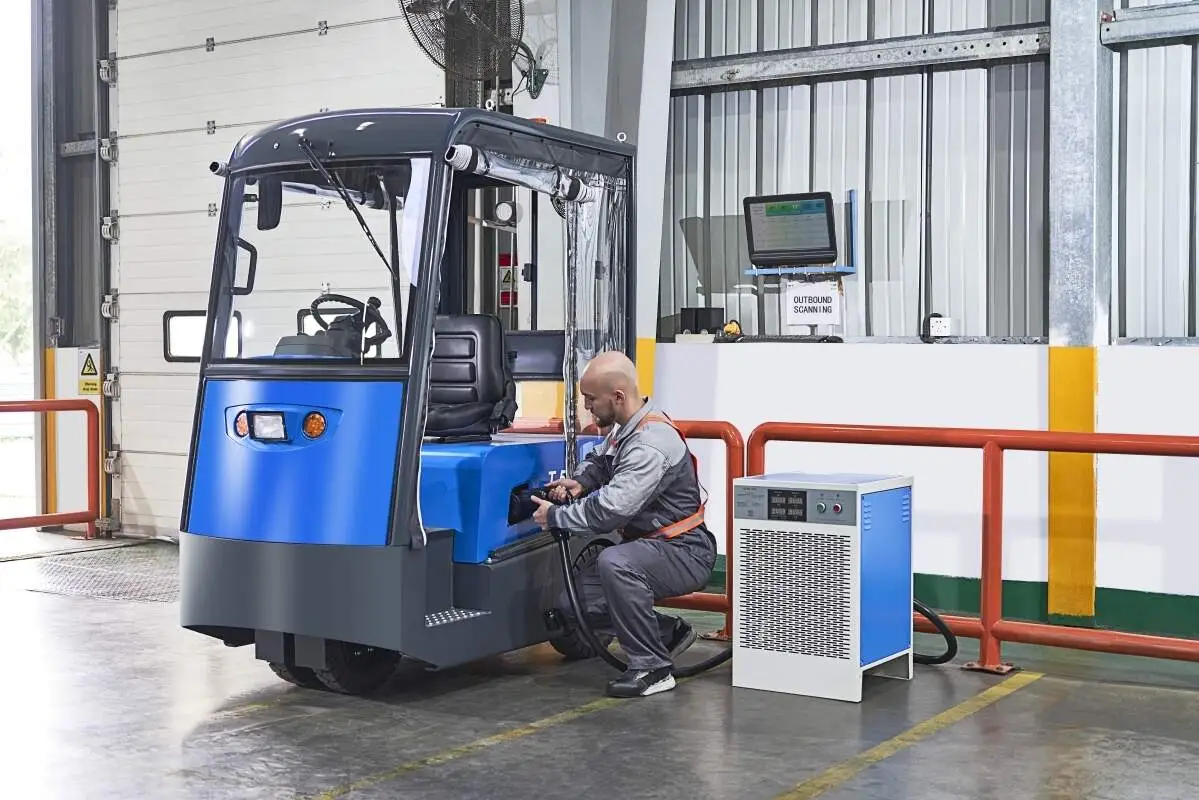
Forklifts with forward-moving high gantry are commonly used equipment for storage and high-level stacking operations. As its core bearing component, the gantry structure design is directly related to the safety and efficiency of the operation, and it is a part that needs to be paid attention to in the process of equipment selection and operation.
Common gantry structure of reach-moving high gantry forklift truck
Door frame section design
Conventional low-level operation of the front-moving forklift mostly uses two gantry, for the high-level stacking needs of more than ten meters, will use three or four telescopic gantry structure. This kind of gantry has built-in symmetrically arranged sprocket and chain drive components, which can ensure the synchronicity of the telescopic process and reduce the problem of uneven force on one side. The main body of the gantry is mostly rolled with high-strength low-alloy channel steel, which has strong bending and torsional resistance and can withstand structural deformation pressure under large loads. There are multiple sets of bearing rollers and side rollers arranged between different sections, which can reduce the expansion and contraction friction resistance and reduce the running shaking amplitude.
Lifting guide structure
The contact surface of the inner and outer gantry is designed with high-precision guide rails, and the lateral clearance between the guide rails will be strictly controlled when leaving the factory to avoid lateral deviation during the lifting process of the gantry. The side rollers of most models are adjustable in design. When the rollers are worn, the lateral clearance can be corrected by adjusting the bolts to ensure the smooth operation of the gantry.
Influence of gantry structure on operation stability
Load center of gravity control related design
The higher the lifting height of the gantry, the greater the offset of the center of gravity of the load, and the more obvious the impact on the stability of the operation. The high-rigidity gantry structure can effectively reduce the deformation amplitude of the gantry during the lifting process and reduce the offset range of the center of gravity of the load. With the linkage design of the front arm and the gantry of the forward forklift truck, the reclining angle of the gantry can be adjusted according to the lifting height during operation, further reducing the risk of forward sliding of the load and improving the stability of high-level operations.
Special working condition adaptation design
In response to the scene of slight unevenness on the storage floor, some door frames are designed with shock-absorbing buffer structures, which can offset the slight vibration generated during driving and avoid large shaking when the door frame is loaded. The top of the door frame is also equipped with a limited position locking device, which will automatically trigger the locking when the fork is lifted to the highest position set, to avoid the lifting overshoot caused by operation errors and prevent the risk of instability.
Maintenance points for improving the stability of gantry operation
During daily use, it is necessary to regularly check the wear of the gantry rollers and guide rails, and adjust the clearance in time to avoid the shaking of the gantry caused by the excessive clearance. Regularly add special grease to the transmission components such as chains and sprockets to reduce the problem of transmission cards. Before each operation, it is necessary to check whether there are abnormal conditions such as cracking and deformation of the gantry welds, and eliminate structural hidden dangers in time. Strictly abide by the load specifications during operation to avoid overload and partial load. Try to avoid emergency stops and accelerated operations during the lifting process to reduce the probability of the gantry being impacted.