简体中文
简体中文 Deutsch
 日本語
日本語 한국어
한국어 Tiếng Việt
 Русский
 ไทย
ไทย Bahasa Indonesia
 Bahasa Melayu
 Filipino
 لالعربية
 Français
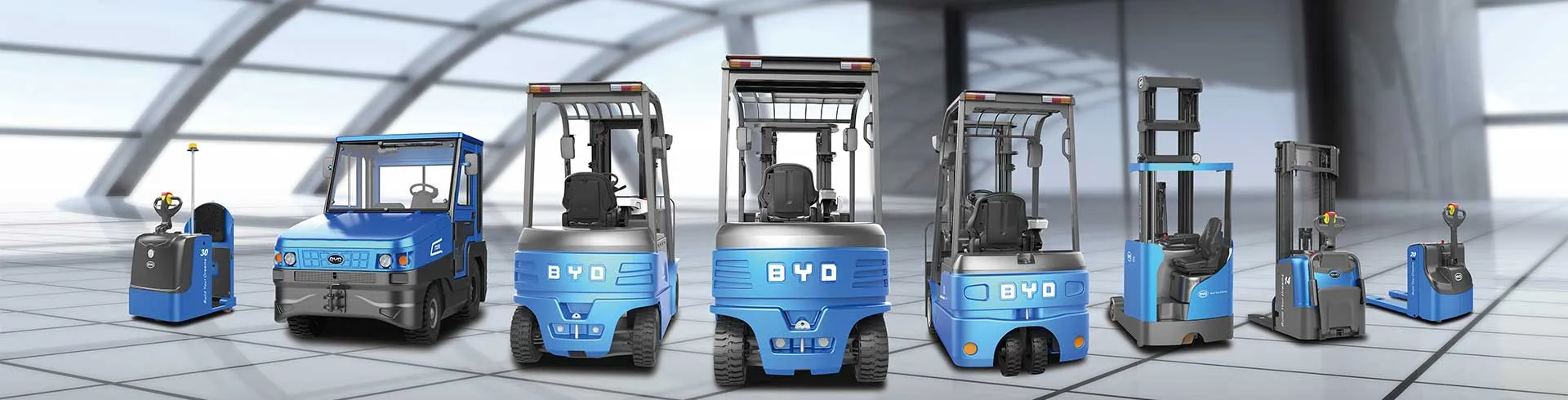
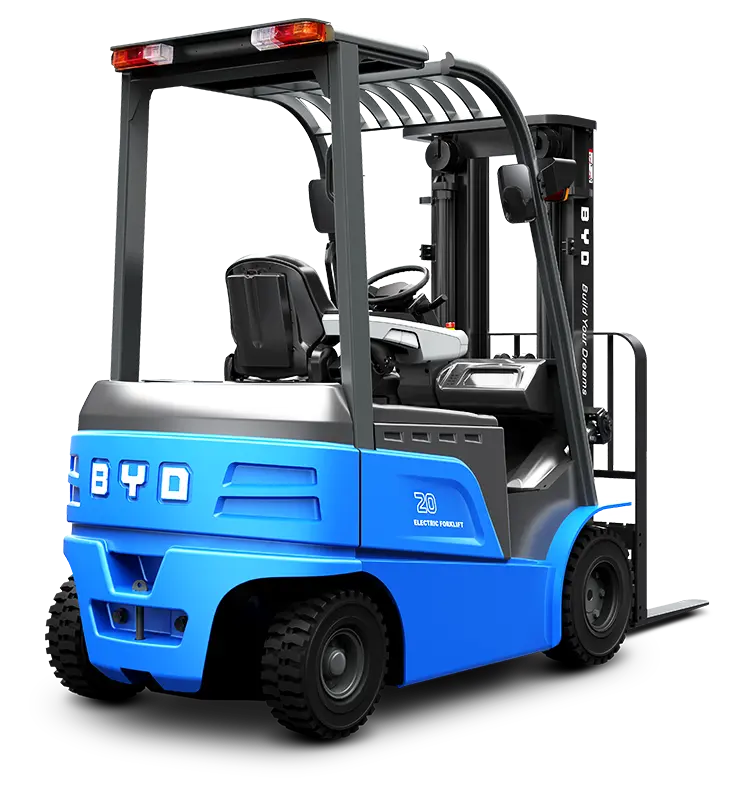
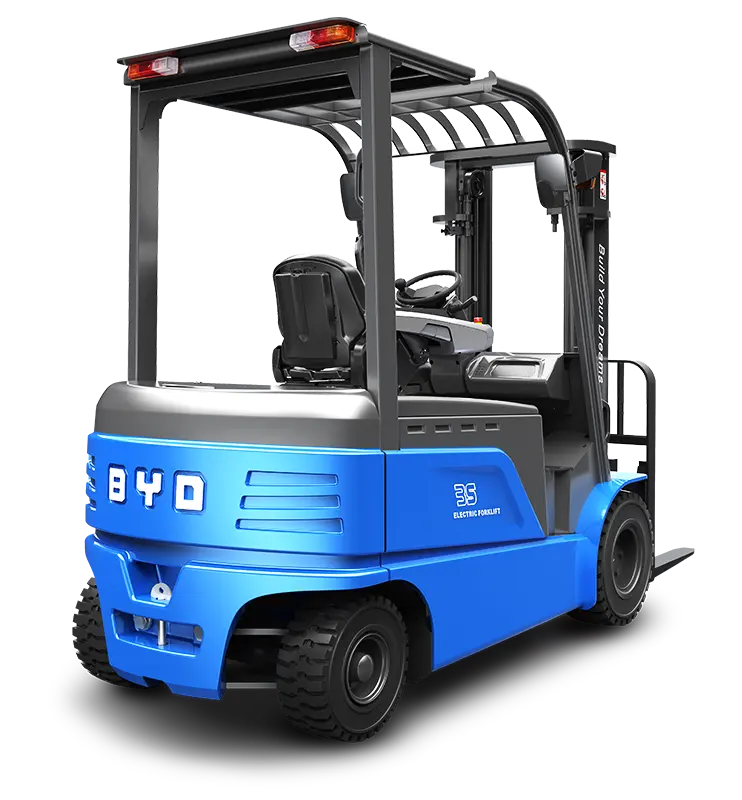
The Core Corresponding Logic of Load and Lift of High-gantry Electric Forklift
Basic Correspondence Principle
The load capacity of a high-gantry electric forklift is not a fixed value, and will be adjusted accordingly with the change of the lifting height. This is because after the lifting height of the gantry rises, the center of gravity of the whole vehicle will shift forward, and the overall overturning torque will increase accordingly. In order to ensure the stability of the operation, the allowable maximum load will be lowered accordingly. Usually when the lifting height is in the rated base height range, the forklift can reach the nominal maximum load value. When the lift exceeds the foundation threshold, the allowable load will be reduced according to a fixed proportion for each liter height. The specific adjustment range needs to refer to the parameters of the vehicle's factory instructions. It is strictly forbidden to exceed the load limit of the corresponding height.
Precautions for Load Adjustment in Different Operating Scenarios
Conventional warehousing operation scenario
If it is an ordinary flat warehouse shelf access operation, the lift is generally in the range of 3 meters to 4 meters. At this time, the load of most high-gantry electric forklifts can reach 80 to 90% of the nominal maximum load. As long as the weight of the goods meets the load requirements of the corresponding height in advance, it can operate normally. If it is a high-rise shelf operation with a lift of more than 6 meters, the load needs to be reduced to 50 to 70% of the nominal value. Before operation, the weight of the goods needs to be calculated in advance, and at the same time, it is necessary to confirm that the ground flatness meets the operation requirements to avoid additional overturning risks due to the ground tilt.
Special scene job adjustment
If it is operating in a scene with a slight slope outdoors or on the ground, the load ratio should be further reduced on the basis of the original load limit corresponding to the lift to avoid additional forces affecting the stability of the vehicle. During the operation, it is necessary to maintain a uniform speed lift, avoid sudden stops and acceleration, and reduce the safety hazards caused by vehicle shaking.
Verification points for daily operations
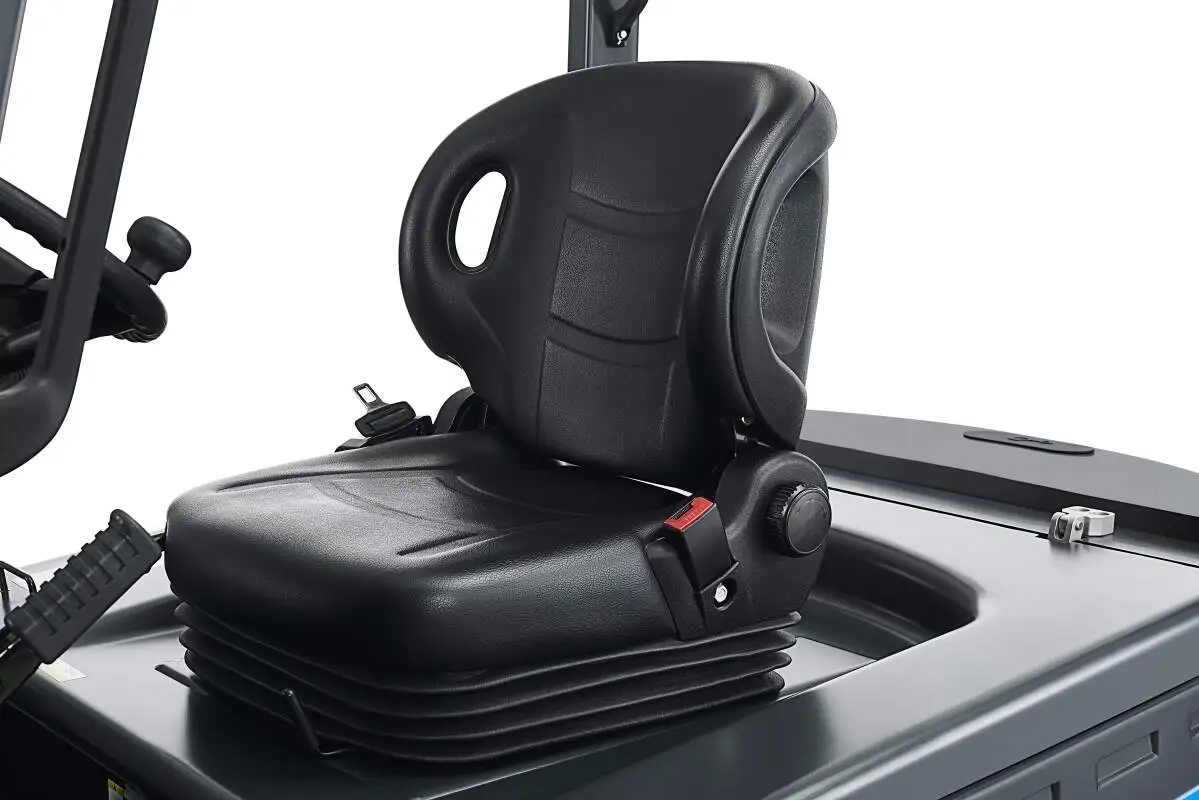
Before each operation, the operator needs to clarify the maximum lifting height of the operation in advance, and confirm the maximum allowable load according to the corresponding rules of the load lift of the vehicle. For goods of unknown weight, they should be weighed in advance, and overloading operations are strictly prohibited. The door frame structure, lifting chain and other components should also be checked regularly on a daily basis to avoid component wear affecting the load and lift corresponding performance of the vehicle, and ensure the safety of the whole operation process.