2026-06-22

BYDハイゲート電動フォークリフトの荷重とリフトの対応関係に関する説明

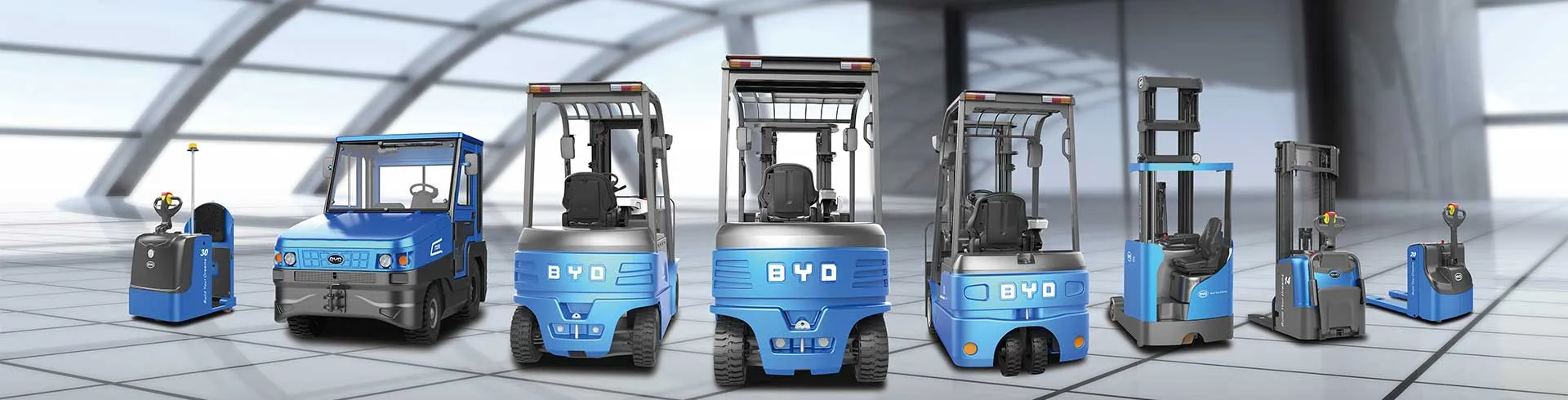
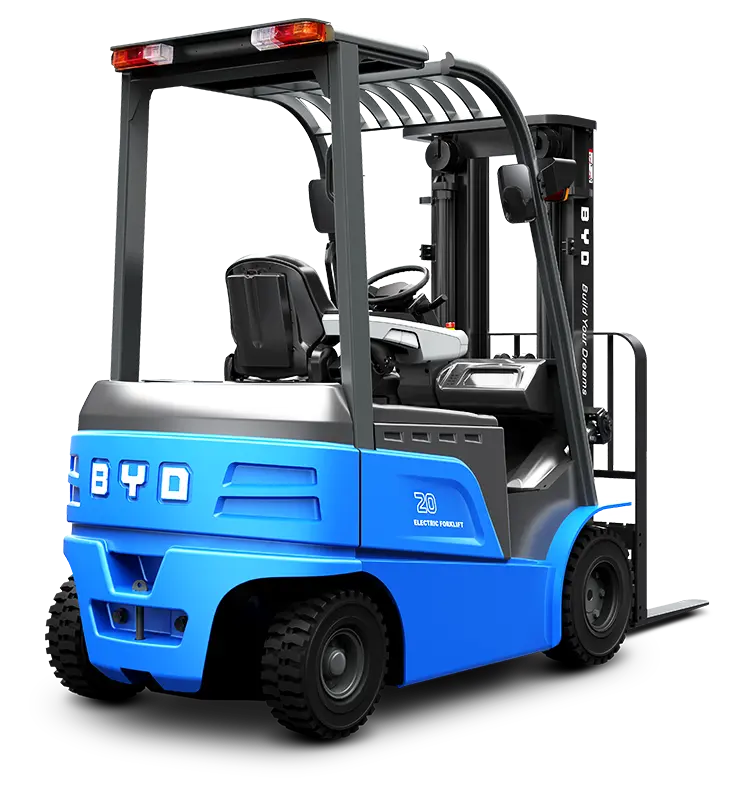
BYDハイゲート電動フォークリフトの荷重とリフトの対応関係に関する説明(図1)

高門架電動フォークリフトの荷重とリフトの核心対応論理

基本的な対応の原則

ハイゲート電動フォークリフトの積載量は固定値ではなく、リフト高さの変化に応じて対応する調整が行われます。これは、ゲートリフト高さが上昇すると、車両全体の重心が前方にシフトし、全体の転倒モーメントが増加するためです。作業の安定性を確保するために、許容最大積載量はそれに応じて減少します。通常、リフト高さが定格ベース高さの範囲にある場合、フォークリフトは公称最大積載量に達することができます。リフトが基本しきい値を超えると、特定の高さごとに、許容積載量は一定の割合で減少します。特定の調整範囲は、車両の工場出荷時の説明パラメータを参照する必要があります。対応する高さを超える負荷制限操作は固く

異なる作業シーンでの荷重調整の注意事項

通常の倉庫作業シーン

通常の平らな倉庫での棚へのアクセス操作の場合、リフトは一般的に3メートルから4メートルの範囲です。このとき、ほとんどのハイゲート電動フォークリフトの荷重は、公称最大荷重の80%から90%に達する可能性があります。商品の重量が対応する高さの荷重要件を満たしていることが事前に確認されている限り、通常の操作が可能です。リフトが6メートルを超える高棚作業の場合、荷重を公称値の50%から70%に下げる必要があります。作業前に商品の重量を事前に計算する必要があります。同時に、地面の傾斜による転倒のリスクの増加を回避するために、地面の平坦性が作業要件を満たしていることを確認する

特殊シーンのジョブ調整

屋外や地面にわずかな傾斜があるシーンで作業する場合は、車両の安定性に影響を与える追加の力を回避するために、リフトに対応する元の負荷制限に基づいて負荷率をさらに下げる必要があります。操作中は、一定の速度で上げ下げを維持し、急停止や急加速を避け、車両の揺れによる安全上の問題を軽減する必要があります。

日常作業の検証ポイント

各操作の前に、オペレーターはこの操作の最大リフト高さを事前に明確にし、車両の負荷リフト対応ルールに従って許容最大負荷を確認する必要があります。重量が不明な商品の場合は、事前に計量する必要があります。過負荷操作は固く禁じられています。また、ドアフレーム構造、リフティングチェーン、その他のコンポーネントを定期的にチェックして、コンポーネントの摩耗が車両の負荷とリフトに対応するパフォーマンスに影響を与えないようにし、操作プロセス全体の安全性を確保する必要があります。
電話で

WeChat

WhatsApp

メールアドレス

We use cookie to improve your online experience. By continuing to browse this website, you agree to our use of cookie.

Cookies

Please read our Terms and Conditions and this Policy before accessing or using our Services. If you cannot agree with this Policy or the Terms and Conditions, please do not access or use our Services. If you are located in a jurisdiction outside the European Economic Area, by using our Services, you accept the Terms and Conditions and accept our privacy practices described in this Policy.
We may modify this Policy at any time, without prior notice, and changes may apply to any Personal Information we already hold about you, as well as any new Personal Information collected after the Policy is modified. If we make changes, we will notify you by revising the date at the top of this Policy. We will provide you with advanced notice if we make any material changes to how we collect, use or disclose your Personal Information that impact your rights under this Policy. If you are located in a jurisdiction other than the European Economic Area, the United Kingdom or Switzerland (collectively “European Countries”), your continued access or use of our Services after receiving the notice of changes, constitutes your acknowledgement that you accept the updated Policy. In addition, we may provide you with real time disclosures or additional information about the Personal Information handling practices of specific parts of our Services. Such notices may supplement this Policy or provide you with additional choices about how we process your Personal Information.


Cookies

Cookies are small text files stored on your device when you access most Websites on the internet or open certain emails. Among other things, Cookies allow a Website to recognize your device and remember if you've been to the Website before. Examples of information collected by Cookies include your browser type and the address of the Website from which you arrived at our Website as well as IP address and clickstream behavior (that is the pages you view and the links you click).We use the term cookie to refer to Cookies and technologies that perform a similar function to Cookies (e.g., tags, pixels, web beacons, etc.). Cookies can be read by the originating Website on each subsequent visit and by any other Website that recognizes the cookie. The Website uses Cookies in order to make the Website easier to use, to support a better user experience, including the provision of information and functionality to you, as well as to provide us with information about how the Website is used so that we can make sure it is as up to date, relevant, and error free as we can. Cookies on the Website We use Cookies to personalize your experience when you visit the Site, uniquely identify your computer for security purposes, and enable us and our third-party service providers to serve ads on our behalf across the internet.

We classify Cookies in the following categories:
 ●  Strictly Necessary Cookies
 ●  Performance Cookies
 ●  Functional Cookies
 ●  Targeting Cookies


Cookie List
A cookie is a small piece of data (text file) that a website – when visited by a user – asks your browser to store on your device in order to remember information about you, such as your language preference or login information. Those cookies are set by us and called first-party cookies. We also use third-party cookies – which are cookies from a domain different than the domain of the website you are visiting – for our advertising and marketing efforts. More specifically, we use cookies and other tracking technologies for the following purposes:

Strictly Necessary Cookies
These cookies are necessary for the website to function and cannot be switched off in our systems. They are usually only set in response to actions made by you which amount to a request for services, such as setting your privacy preferences, logging in or filling in forms. You can set your browser to block or alert you about these cookies, but some parts of the site will not then work. These cookies do not store any personally identifiable information.

Functional Cookies
These cookies enable the website to provide enhanced functionality and personalisation. They may be set by us or by third party providers whose services we have added to our pages. If you do not allow these cookies then some or all of these services may not function properly.

Performance Cookies
These cookies allow us to count visits and traffic sources so we can measure and improve the performance of our site. They help us to know which pages are the most and least popular and see how visitors move around the site. All information these cookies collect is aggregated and therefore anonymous. If you do not allow these cookies we will not know when you have visited our site, and will not be able to monitor its performance.

Targeting Cookies
These cookies may be set through our site by our advertising partners. They may be used by those companies to build a profile of your interests and show you relevant adverts on other sites. They do not store directly personal information, but are based on uniquely identifying your browser and internet device. If you do not allow these cookies, you will experience less targeted advertising.

How To Turn Off Cookies
You can choose to restrict or block Cookies through your browser settings at any time. Please note that certain Cookies may be set as soon as you visit the Website, but you can remove them using your browser settings. However, please be aware that restricting or blocking Cookies set on the Website may impact the functionality or performance of the Website or prevent you from using certain services provided through the Website. It will also affect our ability to update the Website to cater for user preferences and improve performance. Cookies within Mobile Applications

We only use Strictly Necessary Cookies on our mobile applications. These Cookies are critical to the functionality of our applications, so if you block or delete these Cookies you may not be able to use the application. These Cookies are not shared with any other application on your mobile device. We never use the Cookies from the mobile application to store personal information about you.

If you have questions or concerns regarding any information in this Privacy Policy, please contact us by email at . You can also contact us via our customer service at our Site.