简体中文
简体中文 Deutsch
 日本語
日本語 한국어
한국어 Tiếng Việt
 Русский
 ไทย
ไทย Bahasa Indonesia
 Bahasa Melayu
 Filipino
 لالعربية
 Français
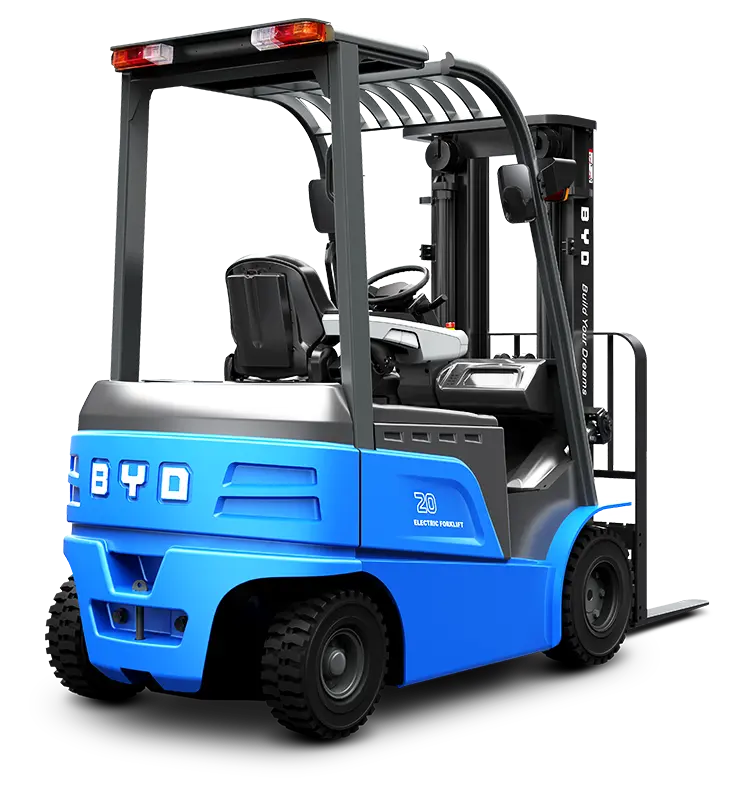
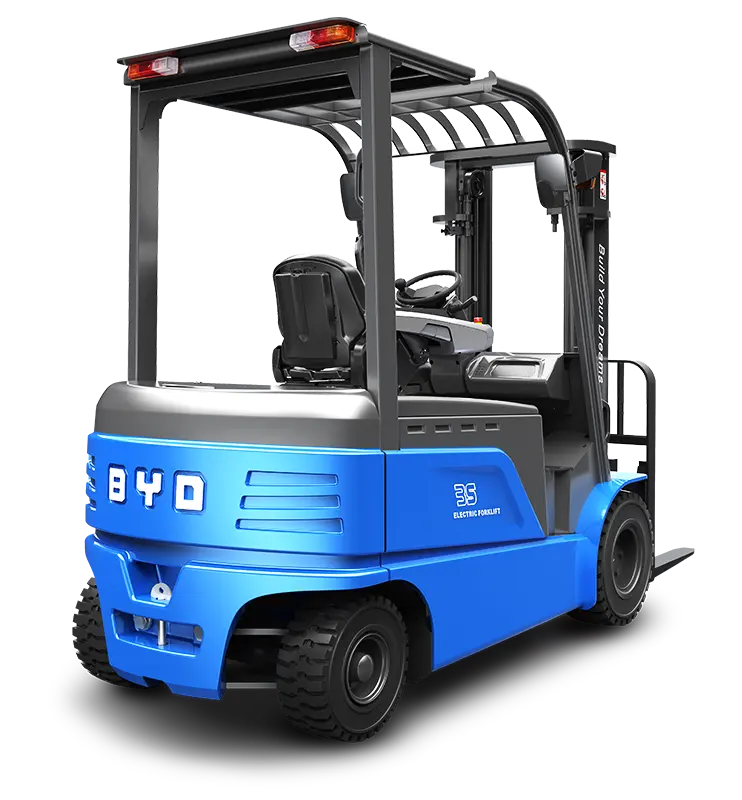
In high-level warehousing, bulk cargo loading and unloading, etc., the application popularity of high-gantry forklifts has been increasing year by year, and whether the operation vision is clear directly affects the loading and unloading efficiency and operation safety. The problem of occlusion of the traditional gantry structure has also been one of the core problems for front-line operators.
Common vision pain points of high gantry forklifts
In order to ensure the load-bearing performance of the traditional high gantry, thicker middle section steel is usually used, coupled with the lifting cylinder and transmission chain arranged in the center, which will form a large blocking area directly in front of the driver. When operators are aligning forks and observing road conditions ahead, they often need to tilt their heads and lean over frequently to see the content of the blind spot. Long-term operation is prone to cervical spine strain, and it will also increase the probability of goods scratching and colliding with obstacles due to limited field of vision. Especially in high-level pick-up and release scenarios above 3 meters, the operation error caused by line of sight occlusion is more obvious.
The Core Design Logic of Wide Field of View Door Frame
Targeted optimization of structural layout
In the design stage of the wide field of view door frame, the core goal is to reduce the front occlusion. Under the premise of ensuring that the load-bearing strength meets the standards, adjust the arrangement position of the door frame steel, and move the original centered lifting cylinder and transmission chain to both sides of the door frame to reduce the front occlusion range as much as possible. Some designs will also optimize the cross-sectional shape of the door frame beam to reduce the occlusion of the high-level field of view by the beam. At the same time, with better light transmission protective glass, the field of view is further improved.
The visual experience of actual work is improved
Low-level loading and unloading efficiency improvement
In low-level operation scenarios such as flat-level loading and unloading, pallet transfer, etc., using a high-frame forklift with a wide field of vision, the driver can clearly observe the position of the fork and the angle of the tray without adjusting the sitting position. Compared with traditional gantry forklifts, the alignment time is shortened, and the situation of the fork scratching the tray is also reduced. The efficiency of a single operation is significantly improved.
High-level operation accuracy optimization
In a high-level shelf operation scenario above 3 meters, the advantage of a wide-field gantry is even more obvious. The operator can directly see the relative position of the fork and the cargo space through the neutral area of the gantry, without repeatedly adjusting the vehicle position to try to align, which not only reduces the risk of goods falling off and scratching the shelf, but also reduces the physical burden caused by long-term head-up adjustment posture.
Job safety upgrade
In addition to enhancing the experience of the loading and unloading operation itself, the wide-field gantry can also greatly reduce the scope of the blind spot in front, allowing operators to clearly observe pedestrians and obstacles in front of them during driving, reducing safety accidents caused by blind spots, and making it more suitable for warehousing scenarios with dense workers and narrow passages.
Overall, the wide-field gantry design is a practical optimization for operation pain points based on ensuring the load-bearing performance of high-gantry forklifts, which can improve the use experience from multiple dimensions of efficiency, safety, and operation comfort. It is suitable for all kinds of high-level storage and intensive loading and unloading operation scenarios.