简体中文
简体中文 Deutsch
 日本語
日本語 한국어
한국어 Tiếng Việt
 Русский
 ไทย
ไทย Bahasa Indonesia
 Bahasa Melayu
 Filipino
 لالعربية
 Français
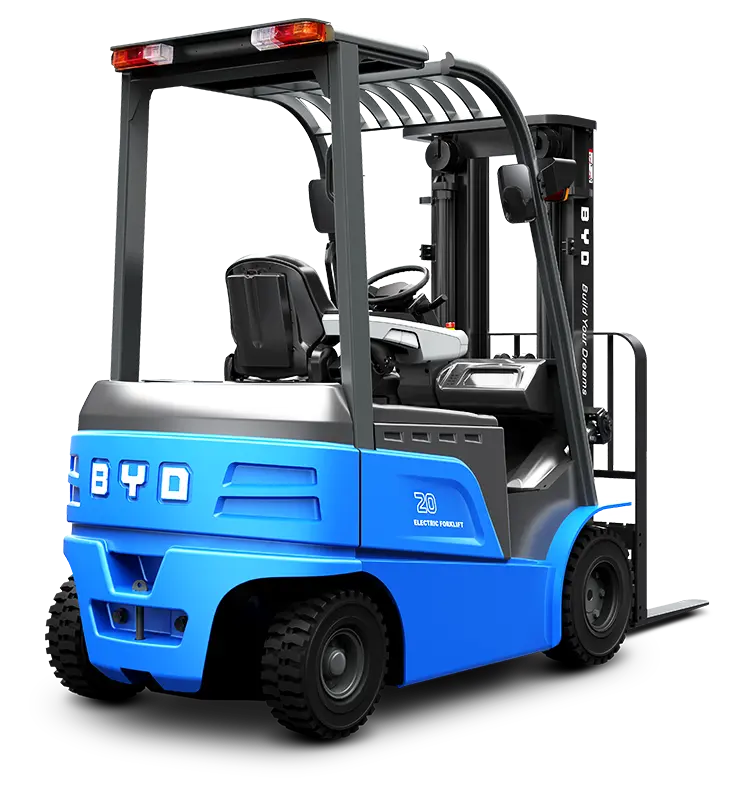
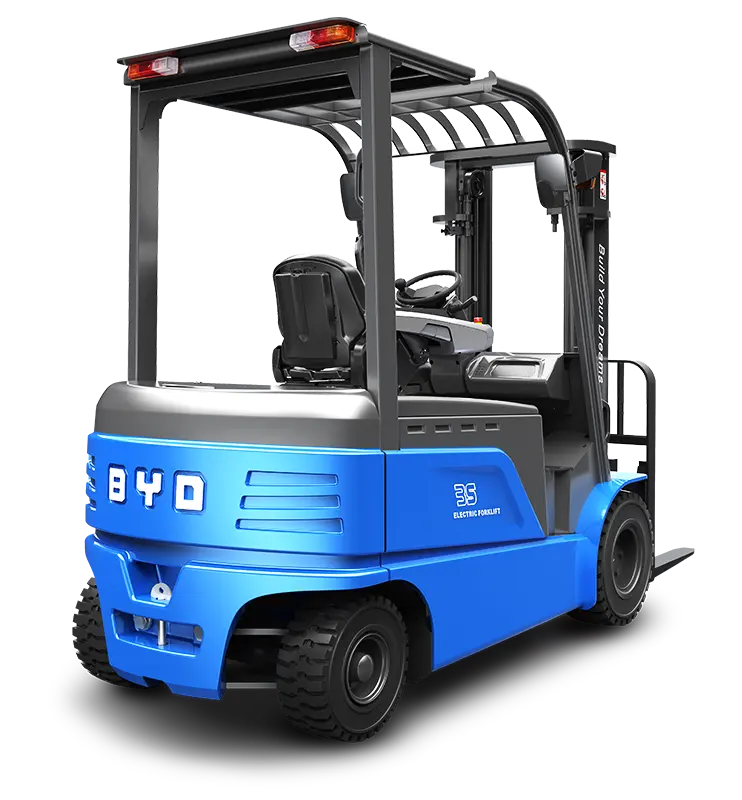
High gantry electric forklifts are the core equipment for high-rise stacking and cargo transfer operations in warehouses, and their battery life directly affects the overall operation efficiency. In recent years, models equipped with blade battery configurations have attracted the attention of many warehousing and logistics practitioners due to their stable performance.
Adaptation characteristics of blade battery configuration
Battery life basic support of battery structure
The blade battery is designed with a thin and long battery cell, and the effective storage capacity is higher than that of the conventional lithium iron phosphate battery at the same volume, and the discharge stability is stronger. It can adapt to the high-power discharge conditions of high-gantry electric forklifts with frequent starts and stops and high-frequency lifts of forks. There will be no power jump problem under instantaneous high load, ensuring the stability of battery life output from the basic structure.
Environment-adapted battery life gain effect
The operating temperature range of the blade battery is wider, and the power attenuation in the low temperature environment is lower than that of the ordinary battery configuration model. Even in the winter, it can maintain a relatively stable power output and reduce the impact of extreme environments on battery life.
Battery life performance in different operating scenarios
Conventional strata transfer scenario
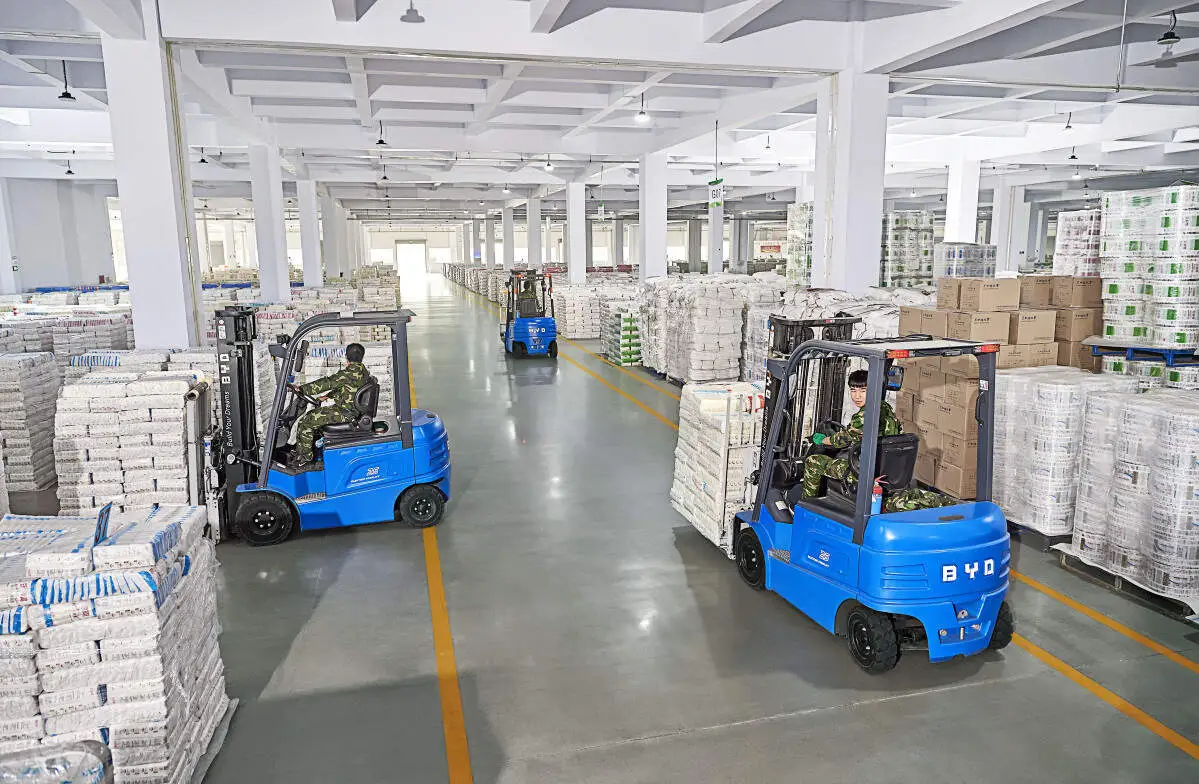
Under the operating scenario of full load and flat-level round-trip transfer, the high-gantry electric forklift equipped with blade batteries has a battery life that is about 10% to 15% higher than that of ordinary lithium iron phosphate battery models under the same power storage. Regular 8-hour shifts do not require midway power replenishment, which can meet the daily operation needs of express transit warehouses and ordinary flat warehouses.
High-rise stacking operation scenario
For the stacking operation scenario of high-level shelves above 6 meters, high-gantry electric forklifts need to frequently output high-power lifting forks, and the high discharge efficiency characteristics of blade batteries can reduce unnecessary energy consumption. The actual operation battery life is only about 8% lower than that of flat-level scenarios, far lower than the 20% battery life reduction of ordinary battery models, which can meet the all-day operation requirements of high-level storage.
Precautions related to battery life maintenance
During daily use, recharge in time after the operation to avoid excessive discharge, and do a full charge calibration every three months, which can keep the battery life above 95% of the rated value for a long time, and the cycle life of the blade battery is longer. The battery life attenuation speed after long-term use is much lower than that of ordinary battery models, and the cost of use throughout the life cycle is lower.