
 简体中文
简体中文 Deutsch
 日本語
日本語 한국어
한국어 Tiếng Việt
 Русский
 ไทย
ไทย Bahasa Indonesia
 Bahasa Melayu
 Filipino
 لالعربية
 Français
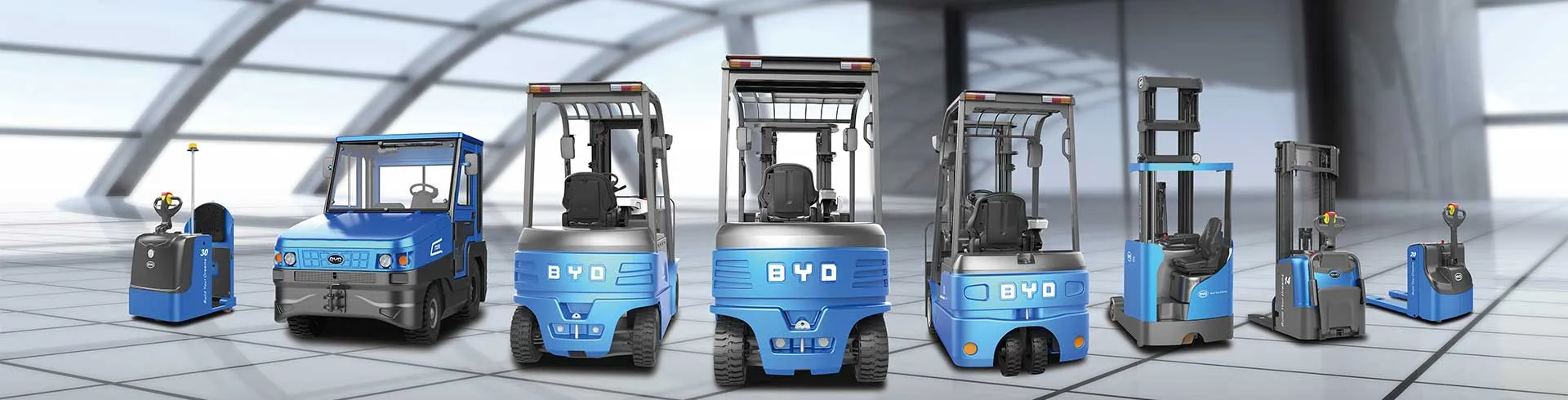
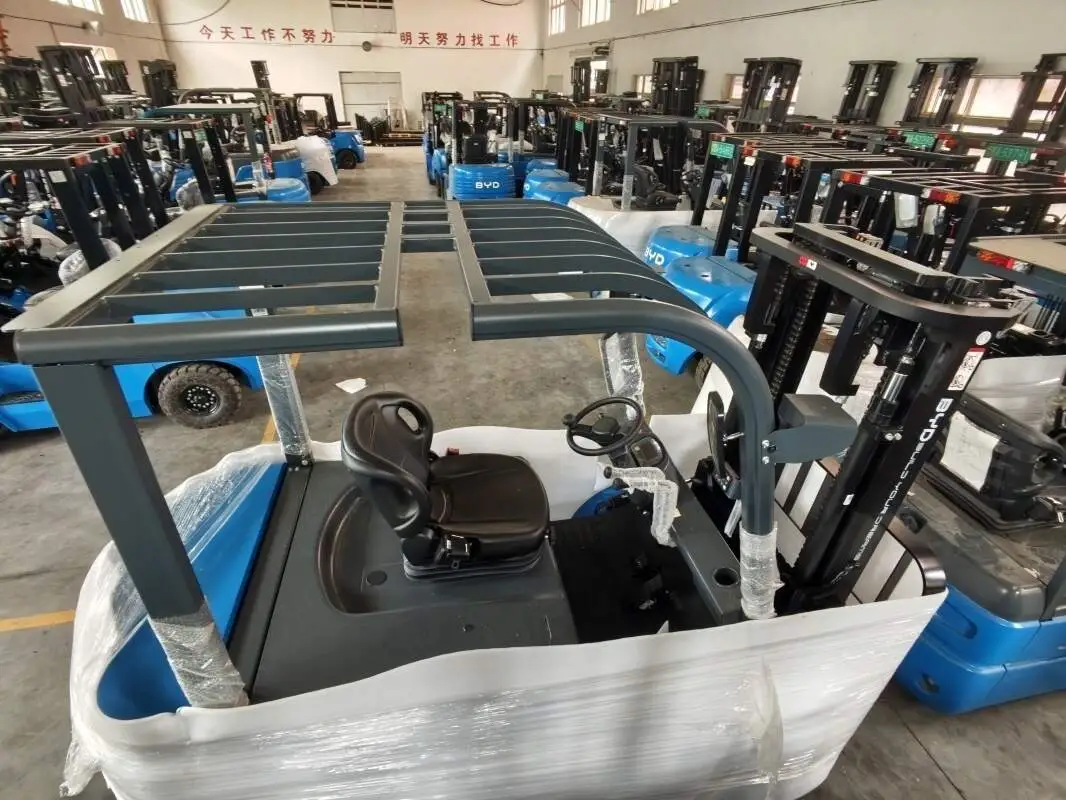
Industrial handling forks are the core bearing components of material handling equipment, and their wear state is directly related to operation safety and efficiency. Regular wear determination and standardized replacement of forks are the key links in equipment operation and maintenance.
The wear determination of the fork can be carried out from multiple dimensions. The first is the visual inspection of the appearance, focusing on the observation of whether there are cracks, deformation, local depressions and other damage on the surface of the fork body, and whether there is passivation or defects caused by excessive wear on the fork tip. If extended cracks or large-scale deformation are found, the necessity of replacement needs to be evaluated in time. Secondly, the size measurement and testing are carried out. When the size of the key parts of the fork body is measured by calipers, tape measures and other tools, if the thickness of the fork body wears more than 10% of the original thickness, the length of the fork tip wears more than 5% of the original length, or when the width deviation caused by the wear on the side of the fork body exceeds the In addition, it can also be determined through the bearing performance test to observe whether the fork is obviously bent or shaken under the rated load, and whether there are abnormal conditions such as cargo sliding and abnormal noises during operation. These signs often mean that the fork wear has affected normal use.
When comparing the specifications of the replacement fork, the parameters of the original fork should be taken as the core basis. First of all, it is necessary to confirm the rated bearing capacity. The bearing parameters of the new fork need to match the rated load of the original fork and handling equipment to avoid safety hazards caused by insufficient load or overload. Secondly, it is necessary to check the key dimensions, including the total length of the fork body, the effective bearing length, the thickness of the fork body, the fork distance, etc. The size error of the new fork needs to be controlled within the allowable range of industry standards to ensure a perfect fit with the fork rack and belonging of the equipment, so as to avoid installation difficulties or unstable operation due to dimensional deviation. In addition, it is also necessary to pay attention to the material and process of the fork, and choose the fork made of wear-resistant materials that meet industrial standards to improve the service life and operation reliability.
In daily operation and maintenance, enterprises should establish a freight fork regular inspection ledger, record each wear test data, and timely grasp the changes in the state of the freight fork. Combined with the actual frequency of use and the operating environment, a reasonable freight fork replacement cycle should be formulated to ensure that the handling equipment is always in a safe and efficient operation state.


