
 简体中文
简体中文 Deutsch
 日本語
日本語 한국어
한국어 Tiếng Việt
 Русский
 ไทย
ไทย Bahasa Indonesia
 Bahasa Melayu
 Filipino
 لالعربية
 Français
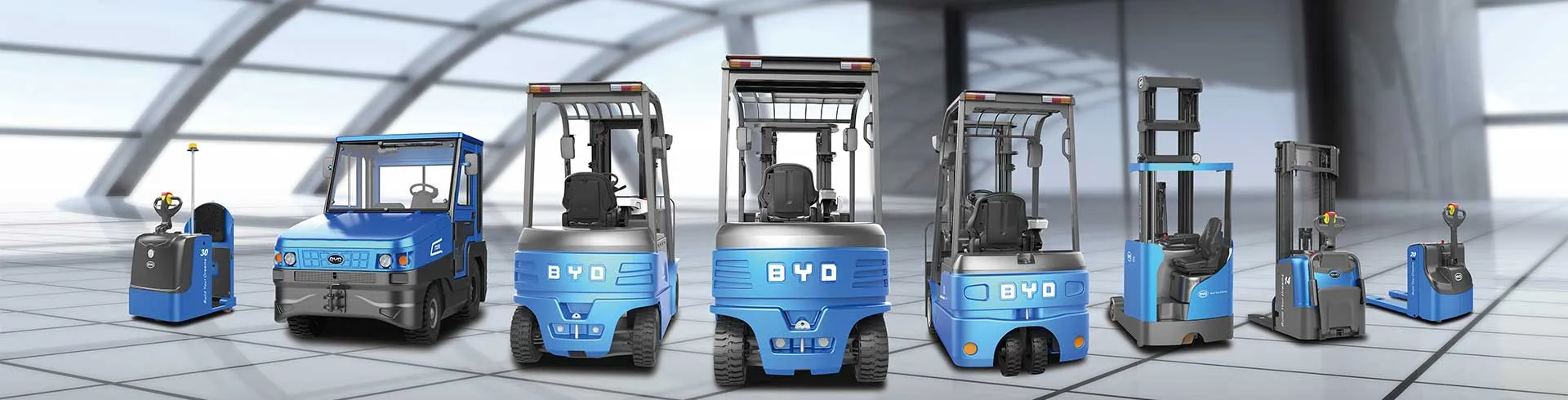
In logistics handling and warehousing operations, forklift clamping machines, as important work attachments, can greatly improve the flexibility and efficiency of operations under different working conditions. For diverse handling needs, clamping machines have a clear functional classification, and the installation of electric forklifts also needs to follow a scientific and standardized process to ensure operation safety and equipment stability.
From the perspective of working condition adaptation, clamping machines are mainly divided into four categories: the first category is soft clamping, which is suitable for the handling of soft packaged goods such as bagged grain and chemical raw materials, and its flexible clamping claws can effectively avoid the crushing damage of the goods; the second category is carton clamping, which is designed for regular carton goods. The flat clamping jaw contact surface can ensure the overall stability of the carton during stacking and handling; the third category is round wood clamping, which is suitable for the transfer of cylindrical materials such as logs and pipes. The curved clamping claws can closely fit the surface of the material to prevent slippage during handling; the fourth category is side-shifting clamping machines, which can flexibly adjust the position of the goods in a narrow storage space and adapt to the operation requirements of dense storage areas.
The installation of a suitable electric forklift needs to follow a three-step process: first, it is necessary to confirm that the rated load-bearing parameters of the forklift match the weight of the clamping tool, and at the same time check whether the interface specifications and pressure range of the forklift hydraulic system meet the operating requirements of the tool; secondly, it is necessary to precisely align the connecting bracket of the clamping tool with the mounting seat of the forklift attachment tool, use high-strength bolts to complete the fixation, and then connect the hydraulic pipeline to ensure that the interface is sealed without leakage; finally, it is necessary to debug and verify the process. First, the no-load operation test is carried out to check the smoothness of the clamping, opening and closing, rotation, etc., and then carry out light-load test operations to verify the coordinated operation status of the tool and the forklift. In daily use, it is necessary to regularly check the tightness of the connecting bolts and the integrity of the hydraulic pipeline to avoid affecting the safety of the operation due to loose or leaking parts.
Reasonable selection of clamping equipment suitable for working conditions and installation and commissioning in strict accordance with specifications can effectively expand the application scenarios of electric forklifts and improve the overall efficiency and safety of logistics operations.


