
 简体中文
简体中文 Deutsch
 日本語
日本語 한국어
한국어 Tiếng Việt
 Русский
 ไทย
ไทย Bahasa Indonesia
 Bahasa Melayu
 Filipino
 لالعربية
 Français
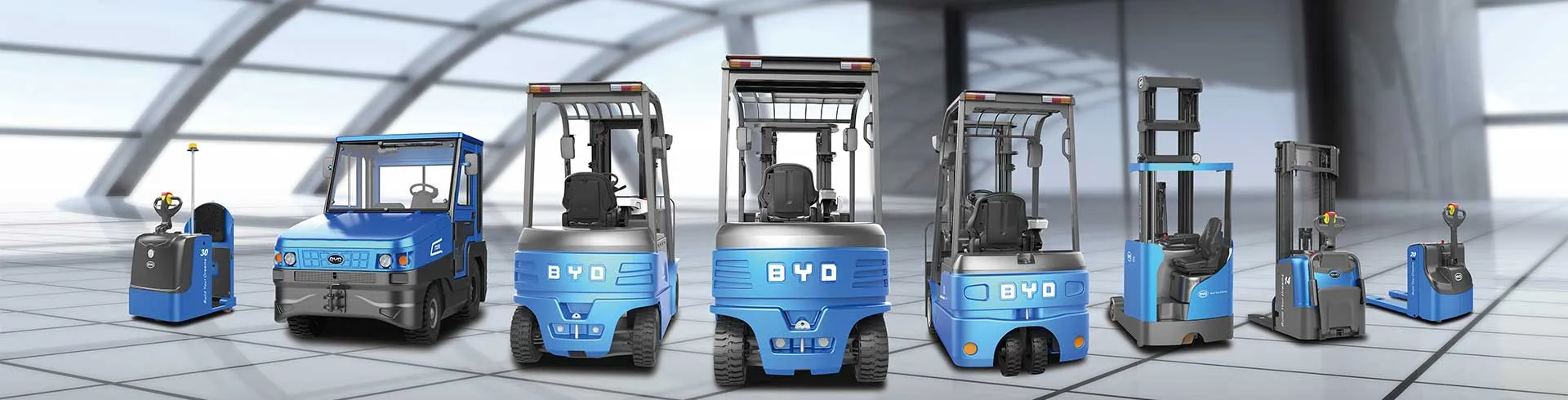
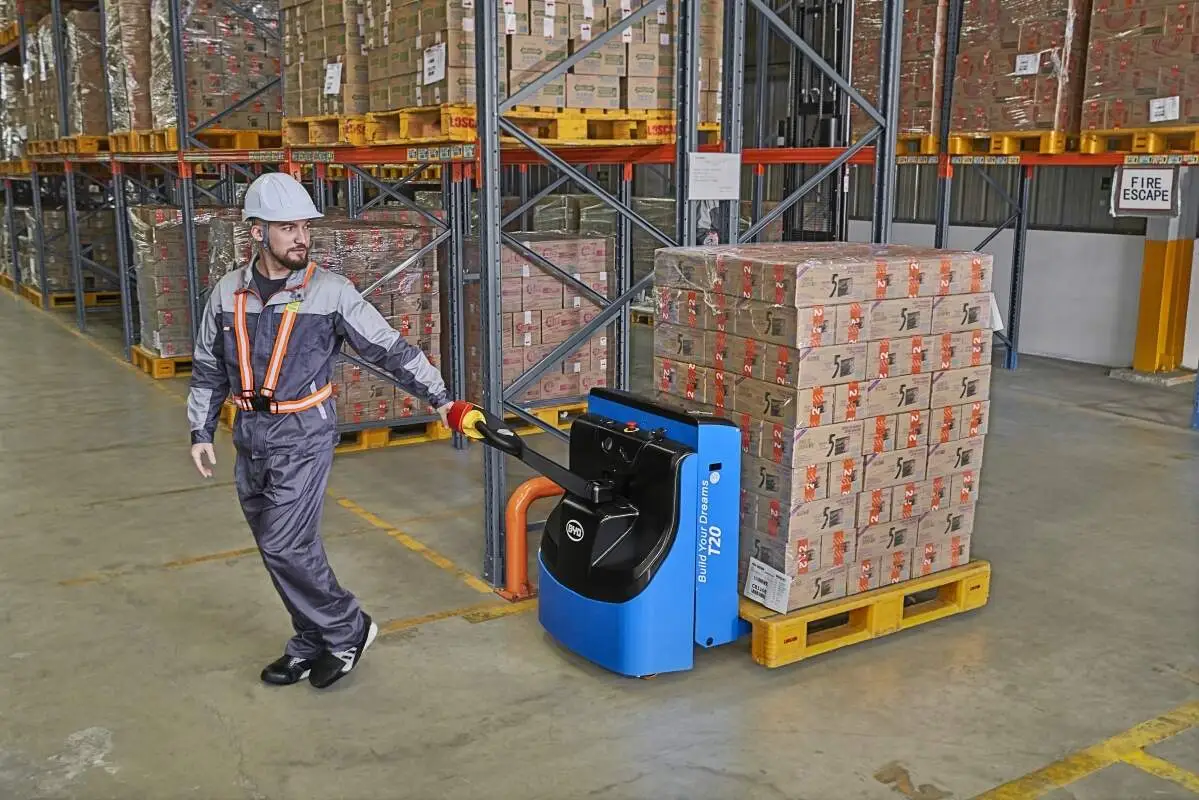
Power system overall architecture design
Integrated layout design
The power system of this electric forklift adopts a highly integrated modular layout idea to reduce redundant transmission connection components, which not only reduces the wear probability of components under long-term operation, but also reduces the overall occupancy space of the power compartment, leaving more space for the counterweight structure and the driving operation area. The weight distribution of the whole vehicle is more reasonable, and the stability of the body during operation is effectively improved.
Power output tuning characteristics
The power output curve of this model has been specially adjusted for the common operation scenarios of warehousing and factory transshipment. The torque output in the low-speed start-up stage is smooth and smooth, and there will be no sudden power movement. It can also ensure smooth operation when handling fragile goods. In the case of heavy-duty climbing scenarios, sufficient power support can be output on demand, without repeatedly adjusting the operation gear, reducing the operator's work burden.
Core Component Practical Performance
Battery life and energy consumption control
The power system of this model is equipped with an energy management strategy that can adjust the power output power in real time according to the current operating load and driving state, avoiding ineffective power loss. Under the continuous operation scenario of conventional medium load, the battery life performance can meet the needs of a single day's routine operation. The matching energy compensation scheme is highly adaptable, and there is no excessive additional cost for daily operation and maintenance.
Heat dissipation and durability
The intelligent temperature-controlled heat dissipation system installed in the power system can automatically adjust the heat dissipation power according to the real-time operating temperature of the core components. In the state of continuous high-frequency operation for a long time, the temperature of the core components can also be controlled within a reasonable range, reducing the aging speed of components caused by high temperature, prolonging the actual service life of the entire power system, and reducing the comprehensive cost of long-term use.
The design logic of the entire power system is based on the actual needs of high-frequency industrial operations, without redundant redundant design, and is suitable for most indoor and outdoor short-distance transfer operation scenarios. Users can make further matching references based on their actual operation time and average load requirements when selecting models.


