
 简体中文
简体中文 Deutsch
 日本語
日本語 한국어
한국어 Tiếng Việt
 Русский
 ไทย
ไทย Bahasa Indonesia
 Bahasa Melayu
 Filipino
 لالعربية
 Français
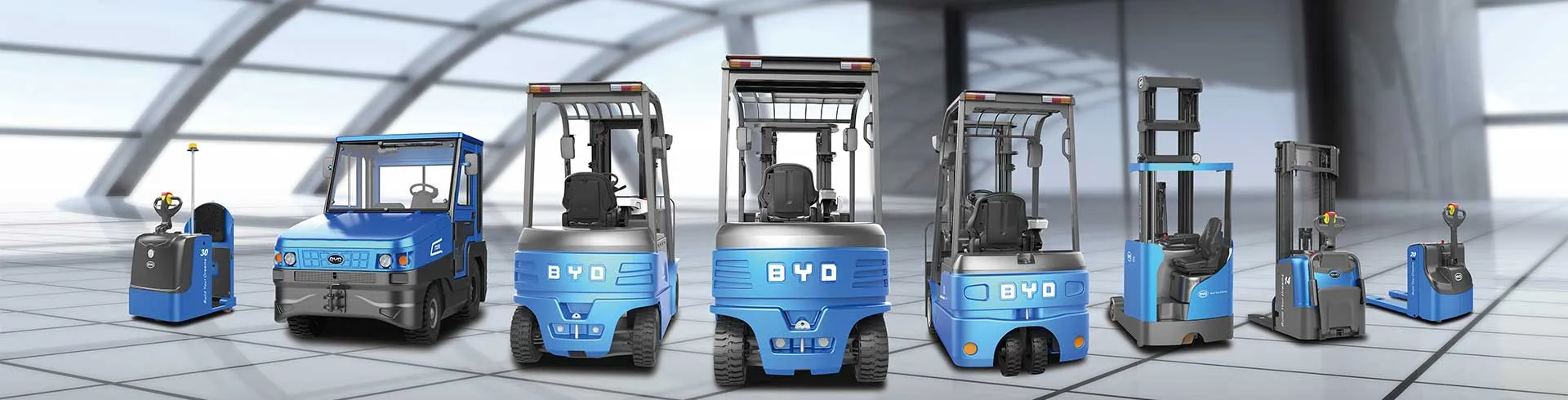
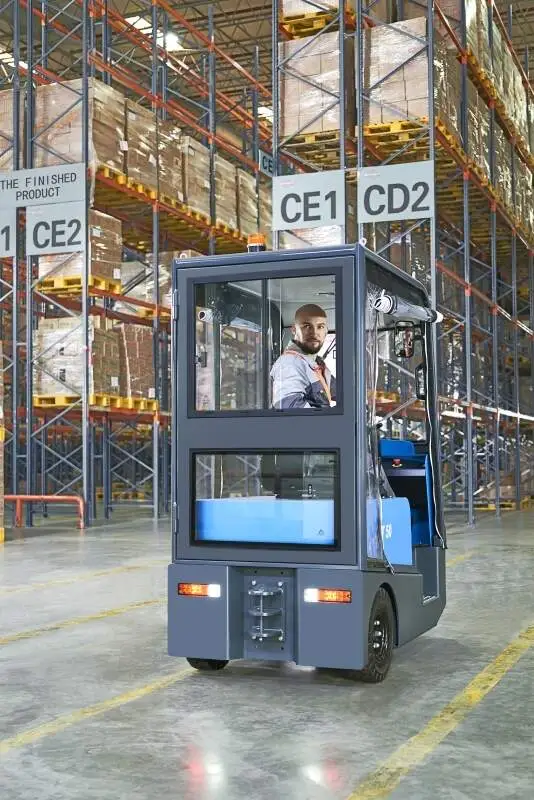
Many users with factory material turnover and storage cargo handling needs often tear apart how to choose two products with similar positioning when selecting a small-tonnage electric forklift. Only by sorting out the differences in the core parameters of the two products can they choose equipment that suits their own working conditions and avoid the problem of wasted capacity or insufficient load.
Basic Bearing and Adaptation Scenario Differences
With a rated capacity of 1.6 tons, the overall body size design is more compact, and the minimum turning radius is relatively small. It is more suitable for small storage space operations with limited channel widths. It can be used to handle light packaging boxes and small bulk material turnover boxes on a daily basis. This type of goods can fully meet the demand. The energy consumption performance under long-term high-frequency operation is better, and the cost of daily operation and maintenance is also lower.
The difference between power and battery life
With a rated load capacity of 1.8 tons, the power output reserve is more sufficient. In the face of uphill operations with a slightly larger slope, or when the weight of the goods occasionally exceeds the conventional load, the power response will not appear significantly weak. Its battery capacity configuration is also higher, and it performs better in the continuous operation time of full load. It is suitable for use in medium and large factories and scenarios with intensive daily handling tasks.
Practical purchase reference points
When making a choice, users should first count the maximum weight of their daily handling goods, and then measure the minimum width of the storage channel. If most of the daily handling goods are within 1.5 tons and the storage space is compact, choosing the former can cover all the operation needs, and the cost performance is better. If the daily single handling of goods is generally close to 1.7 tons or more, and the daily average operation time exceeds 6 hours, choosing the latter can obtain more stable operation performance, and there is no need to replace the equipment due to insufficient capacity for subsequent use. As long as they are selected according to their actual working conditions, both products can provide a stable boost for daily material handling, further improving the internal flow efficiency of the factory.


