简体中文
简体中文 Deutsch
 日本語
日本語 한국어
한국어 Tiếng Việt
 Русский
 ไทย
ไทย Bahasa Indonesia
 Bahasa Melayu
 Filipino
 لالعربية
 Français
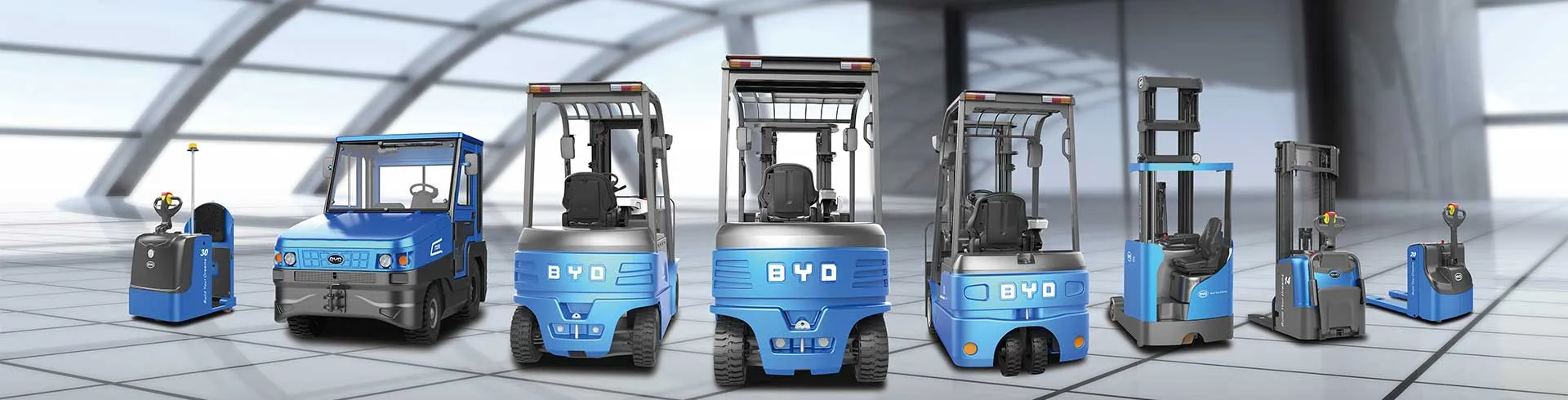
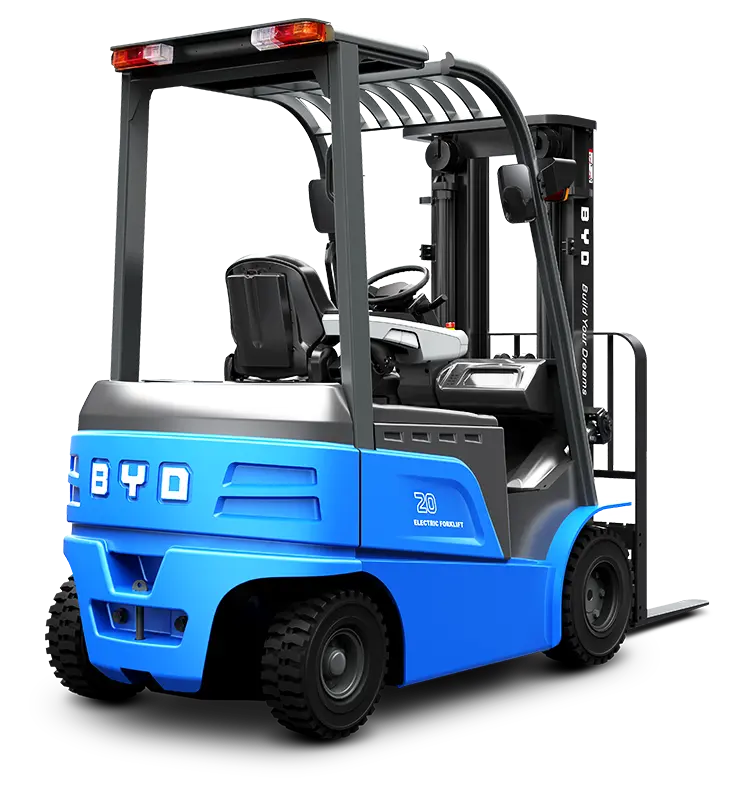
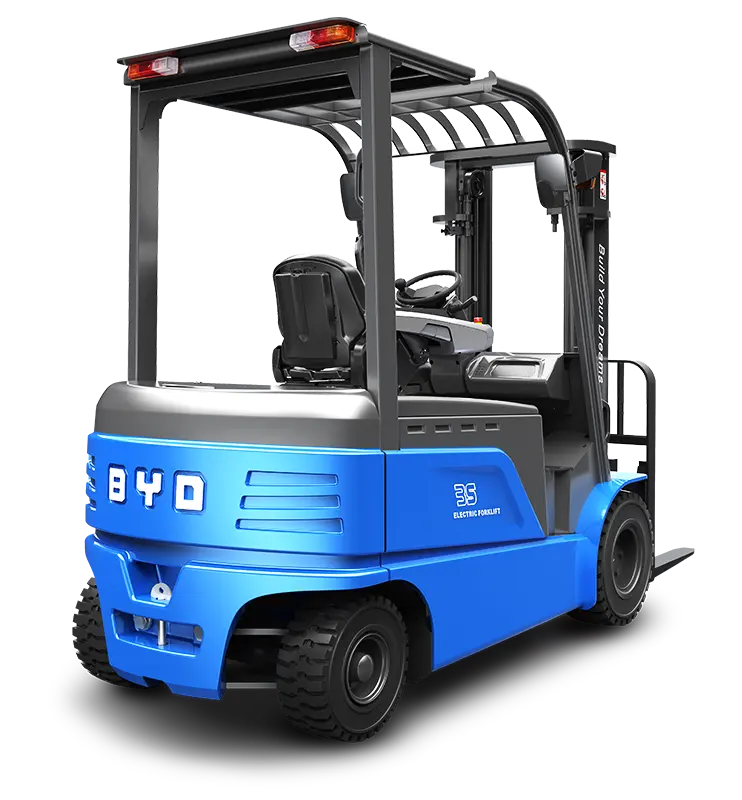
With the increasing demand for cost reduction and efficiency in the warehousing and logistics industry, many companies are considering replacing their fuel forklifts with lithium-ion forklifts. The difference in operating costs between the two types of forklifts is a major concern for most companies when selecting models.
Energy cost difference
Daily operating energy consumption expenses
Under the same operating intensity, the hourly diesel consumption cost of a fuel forklift is usually 3 to 4 times that of a lithium-ion forklift. According to the current market diesel price and industrial electricity price, a forklift with a rated load of 3 tons can consume about 20 to 30 yuan per hour for fuel when fully loaded, and only 5 to 8 yuan for lithium-ion. Energy consumption alone can save tens of thousands of yuan per year.
Maintenance cost variance
Routine maintenance expenses
Fuel forklifts have complex fuel power structures such as engines and gearboxes, which require regular replacement of oil, three filters, and spark plugs. The regular maintenance cost per quarter can reach hundreds to thousands of yuan, and the annual basic maintenance cost generally exceeds 3,000 yuan. Lithium-ion forklifts do not have fuel-related wearing parts, and only need to regularly check the circuit interface and battery status. The annual routine maintenance cost is only a few hundred yuan, which is less than one-fifth of that of fuel forklifts.
Long-term overhaul cost
After fuel forklifts are used for 3 to 5 years, problems such as engine wear and power decline generally occur, and the cost of an engine overhaul can reach tens of thousands of yuan. The power battery cycle life of lithium-ion forklifts is generally long, and no major replacement or maintenance is required for 8 to 10 years under normal use, and the overhaul cost for long-term use is almost negligible.
Hidden operating cost variance
idle wear cost
Fuel forklifts will continue to consume diesel when idling. In many operation scenarios, the idling waiting time of forklifts accounts for more than 30% of the total operation time. This part of the meaningless energy waste can reach tens of thousands of yuan per year. Lithium-battery forklifts rarely consume power in standby state, and the loss when idle is almost negligible.
Compliance and labor costs
Fuel forklifts have high exhaust emissions and operating noise. In indoor storage scenarios, additional exhaust gas treatment equipment needs to be installed, and they may also face relevant requirements for environmental compliance, which increases operating investment. At the same time, fuel forklifts have large vibration and high noise, and drivers are prone to fatigue during long-term operation. The labor cost of enterprises is relatively higher. Lithium-electric forklifts have no exhaust emissions, low operating noise, and can be used indoors and outdoors normally. No additional environmental protection investment is required, and the operation is smoother. It can also reduce related hidden labor costs.
Comprehensive calculation, under the same operating intensity, the annual total operating cost of a lithium-ion forklift is only 30% to 50% of the fuel forklift. Usually, the purchase price difference between the two types of forklifts can be covered after 1 to 2 years of use. The cost reduction effect of long-term use is very obvious. Enterprises can choose the appropriate forklift type according to their own operation scenarios and daily use time.