简体中文
简体中文 Deutsch
 日本語
日本語 한국어
한국어 Tiếng Việt
 Русский
 ไทย
ไทย Bahasa Indonesia
 Bahasa Melayu
 Filipino
 لالعربية
 Français
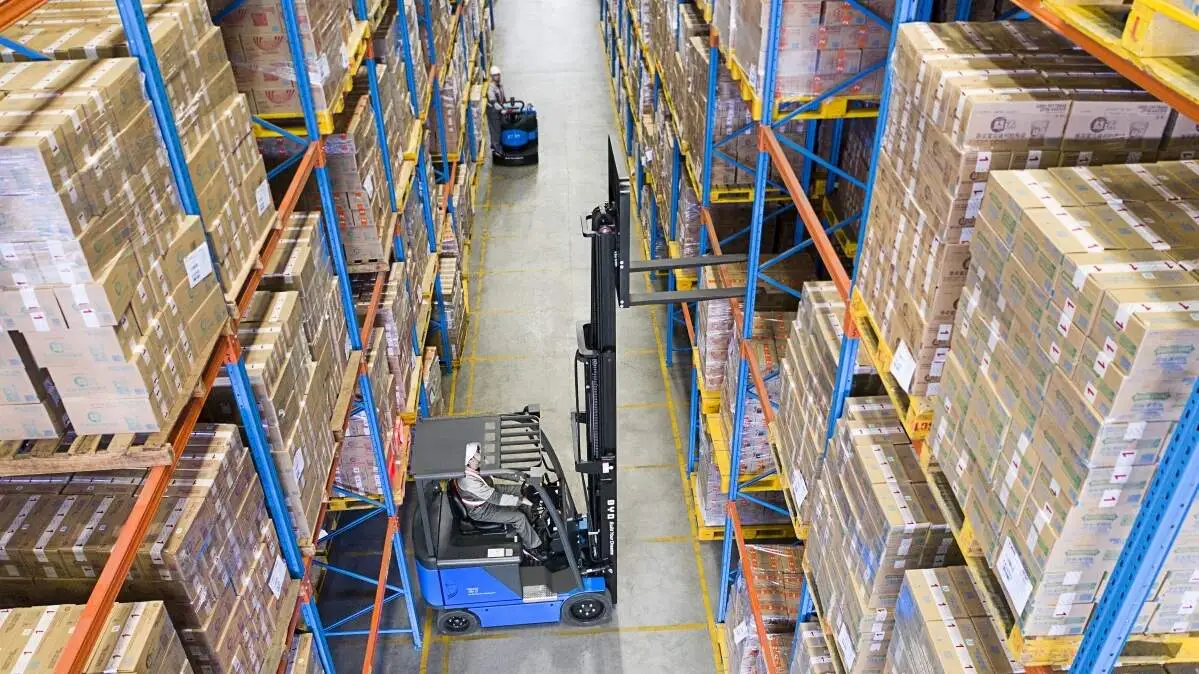
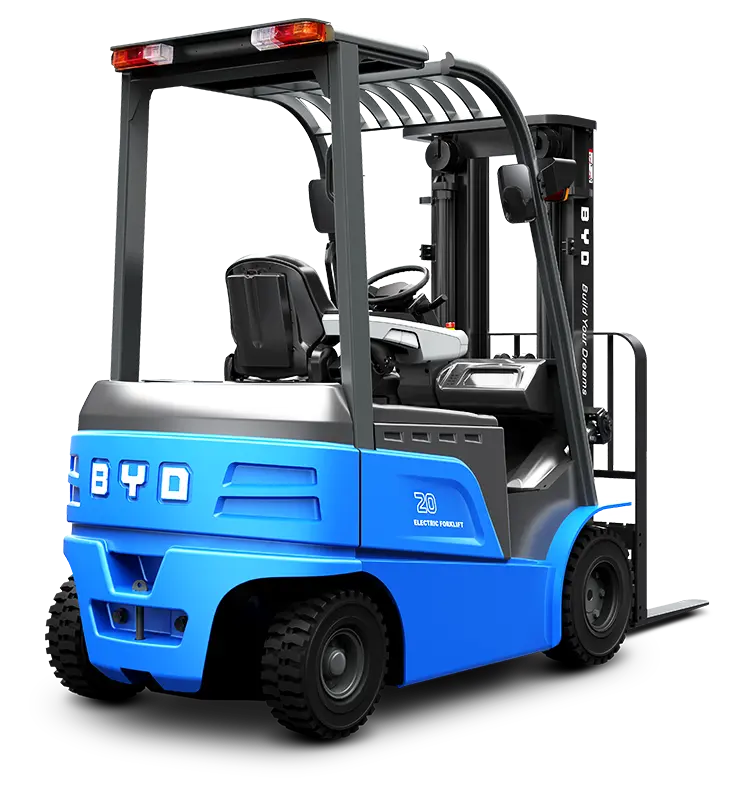
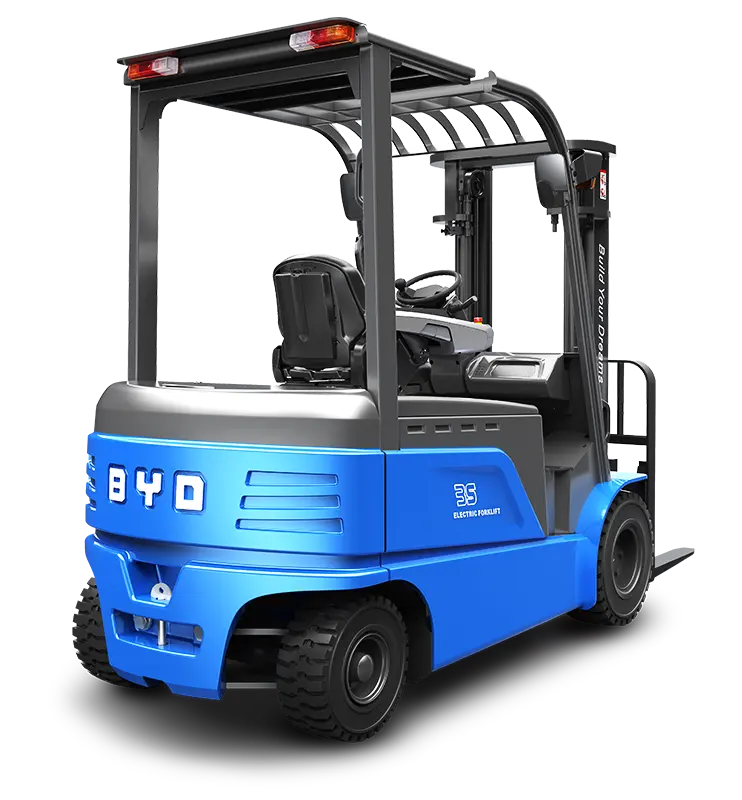
With the popularity of lithium-ion forklifts in warehousing, logistics, manufacturing, and other scenarios, many operators are faced with the choice of leasing or purchasing when configuring equipment. The core of judgment is not the level of a single offer, but a comprehensive cost estimate based on their own usage scenarios.
Cost comparison of short-term temporary operation scenarios
If the service life is less than 3 months, or the temporary demand of less than 100 hours of operation in a single month, such as e-commerce promotion, seasonal agricultural product turnover, temporary project construction, etc., the cost advantage of leasing is more obvious. In such scenarios, if you choose to buy, you not only need to pay for the full equipment at one time, but also bear the hidden costs such as regular maintenance, charging supporting construction, and equipment idle depreciation. The monthly cost of sharing often reaches 2 to 3 times the rental cost of the same configuration equipment. The conventional lithium-ion forklift leasing plan usually includes free maintenance, emergency replacement and other services. Users do not need to bear idle losses, and the capital occupation rate is extremely low, which is more suitable for such short-cycle needs.
Cost Calculation of Medium and Long-term Stable Operation Scenario
If the monthly operating time is stable at more than 200 hours and the service life is more than one year, such as factory permanent warehousing, daily express transit yard, and internal transshipment of chain supermarkets, the long-term cost of purchase is lower. We can make a simple calculation. The procurement cost of a standard load lithium forklift is allocated to a 3-year service cycle, plus the average annual maintenance and charging support. The monthly use cost is about 30% lower than the monthly rental cost of the same configuration of equipment. The cost advantage will gradually become apparent after long-term use. Moreover, the equipment property rights are owned by the enterprise, and part of the cost can be recovered through second-hand disposal in the future.
Selection reference for special scenarios
If there are users with special function customization needs, such as non-standard operation needs that need to install special attachments and adjust equipment parameters, it is usually more suitable for direct purchase, because it is difficult for general-purpose models in the rental market to match the customization needs. And if you do not have a professional equipment operation and maintenance team, or there is a lot of pressure on capital turnover in the short term, even if the operation time is stable, you can choose a long-term lease plan for 1 to 2 years to transition, and then consider purchasing after the operating conditions are mature.
Overall, there is no absolute advantage or disadvantage in the rental and purchase of lithium-ion forklifts. Users can first sort out their own core conditions such as life cycle, operation intensity, capital status, operation and maintenance capabilities, and make judgments based on the above cost calculation logic. They can then choose the most cost-effective equipment configuration plan.