简体中文
简体中文 Deutsch
 日本語
日本語 한국어
한국어 Tiếng Việt
 Русский
 ไทย
ไทย Bahasa Indonesia
 Bahasa Melayu
 Filipino
 لالعربية
 Français

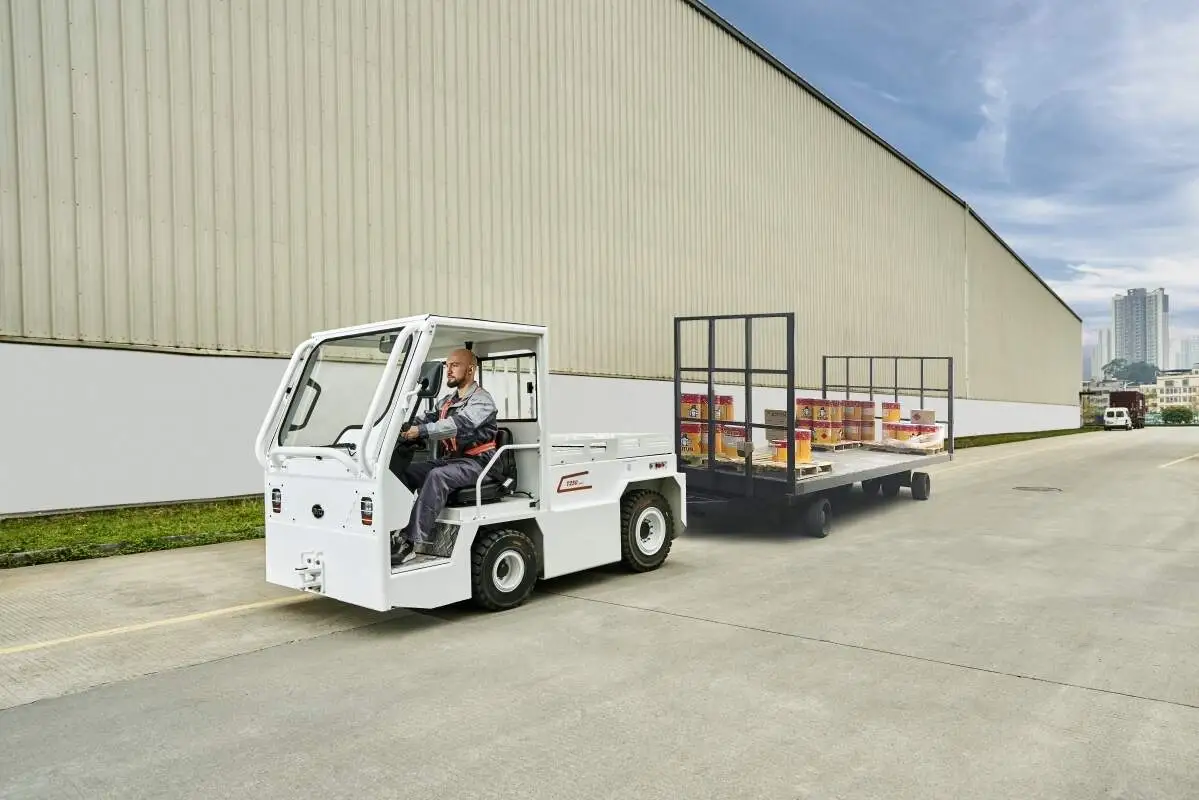
In the process of selecting forklifts for warehousing and logistics operations, the full life cycle cost is a core indicator that many operators focus on. Compared with simply comparing the initial purchase price, the comprehensive cost calculation of the whole life cycle can better reflect the actual cost performance of the two types of forklifts.
Procurement link cost difference
In the current market, the initial procurement cost of lead-acid forklifts is lower, and lithium-ion forklifts are affected by the cost of power batteries. The initial purchase price is generally one-third to one-half higher than that of lead-acid forklifts of the same specification. For users with limited budgets and lower usage frequencies, the entry threshold for lead-acid forklifts is lower.
Operation and maintenance and energy cost differences
In terms of daily operation and maintenance costs, the power battery of a lead-acid forklift needs to be regularly replenished with electrolyte and cleaned electrodes. The average service life is more than 2 to 3 years. After reaching the service life, the full cost of replacing the battery needs to be paid. The power battery of a lithium-ion forklift is designed to be sealed, requiring no additional maintenance for daily use. The number of deep charge and discharge cycles is 3 to 4 times that of a lead-acid battery. Under normal use, the service life can reach 6 to 8 years. There is basically no additional battery maintenance expenditure during the full service cycle.
In terms of energy consumption costs, lithium-ion forklifts have higher energy conversion efficiency. Under the same workload, the power consumption is about 20% lower than that of lead-acid forklifts. At the same time, it supports fast charging mode, which can be used to replenish energy between operations without the need for spare batteries. This saves the procurement cost of spare batteries and does not require additional space for battery storage and replacement. It is more suitable for high-intensity operation scenarios with two shifts and three shifts.
Difference between residual value and disposal cost
After reaching the service life, the residual value of the two types of forklifts is also significantly different. The retired power battery of the lithium-ion forklift still has a high ladder utilization value, which can be used as the battery cell of the energy storage equipment, and the overall residual value can reach about 20% of the initial purchase price; the power battery of the lead-acid forklift belongs to the category of hazardous waste. After retirement, not only the residual value is extremely low, but also the operator needs to pay additional hazardous waste disposal costs, further increasing the expenditure of the whole cycle.
According to comprehensive calculations, if the annual operating time of the forklift exceeds 1500 hours and the service life is more than 3 years, the life cycle cost of the lithium-ion forklift will be significantly lower than that of the same specification lead-acid forklift; if it is a low-frequency scenario with an annual operating time of less than 500 hours and a service life of less than 2 years, the cost advantage of the lead-acid forklift is more prominent, and users can choose the appropriate product based on their actual operating needs.