简体中文
简体中文 Deutsch
 日本語
日本語 한국어
한국어 Tiếng Việt
 Русский
 ไทย
ไทย Bahasa Indonesia
 Bahasa Melayu
 Filipino
 لالعربية
 Français
Common mistakes in the selection of lithium battery forklifts
Blind pursuit of low prices
When many purchasers come into contact with lithium-ion forklifts for the first time, they prioritize price as the only decision-making criterion, ignoring core elements such as the quality of the forklift's core components and safety protection design. Low-priced products may often have parts that cut corners, and subsequent use is prone to failure, which will increase maintenance costs and affect overall operating efficiency.
Only look at the battery parameters, not the adaptability.
Some users believe that the larger the battery capacity, the better. In fact, the battery capacity of a lithium-ion forklift needs to match the motor power, daily operating hours, and working load of the forklift. If you choose a large-capacity battery blindly, it will not only increase the procurement cost, but also affect the operating flexibility of the forklift due to excessive weight, and even shorten the service life of the vehicle.
Ignore job scene adaptation
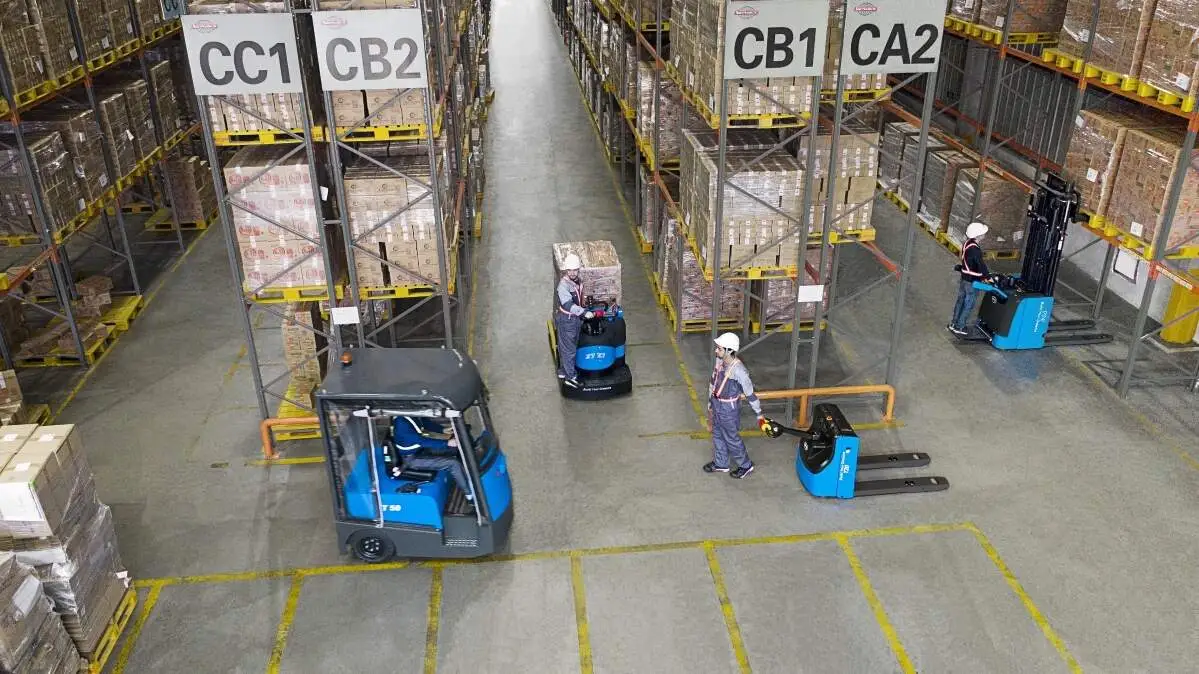
The parameters requirements for lithium-ion forklifts vary widely in different operating scenarios. For example, the turning radius of the forklift needs to be considered for narrow channel operations, the special battery with low temperature resistance needs to be selected for cold storage operations, and the load attenuation parameters of the forklift need to be confirmed for climbing operations. If it is not selected in combination with its own scenarios, it is easy to see that the forklift cannot meet the needs of the operation.
Suggestions for practical pit avoidance when purchasing a lithium battery forklift
Sort out the job requirements in advance and clarify the parameters
Before purchasing, first count the daily average operating time, maximum load weight, operating channel width, special operating environment requirements, and other information, and screen the matching parameter range according to these core requirements. Do not blindly pursue high configurations that exceed requirements to avoid unnecessary cost waste.
Verify product compliance qualification
When purchasing, confirm that the product meets the corresponding national safety production standards, ask for complete qualification certification materials, do not choose non-standard products without compliance qualifications, to avoid potential safety hazards in the subsequent use process, and cannot pass the relevant safety production inspections.
Confirm after-sales services coverage
Lithium forklifts are high-frequency industrial equipment, and subsequent maintenance and troubleshooting require professional service support. Before purchasing, it is necessary to confirm the supplier's service network coverage and after-sales response timeliness to avoid subsequent failures that cannot be solved in a timely manner and affect normal operation.