简体中文
简体中文 Deutsch
 日本語
日本語 한국어
한국어 Tiếng Việt
 Русский
 ไทย
ไทย Bahasa Indonesia
 Bahasa Melayu
 Filipino
 لالعربية
 Français
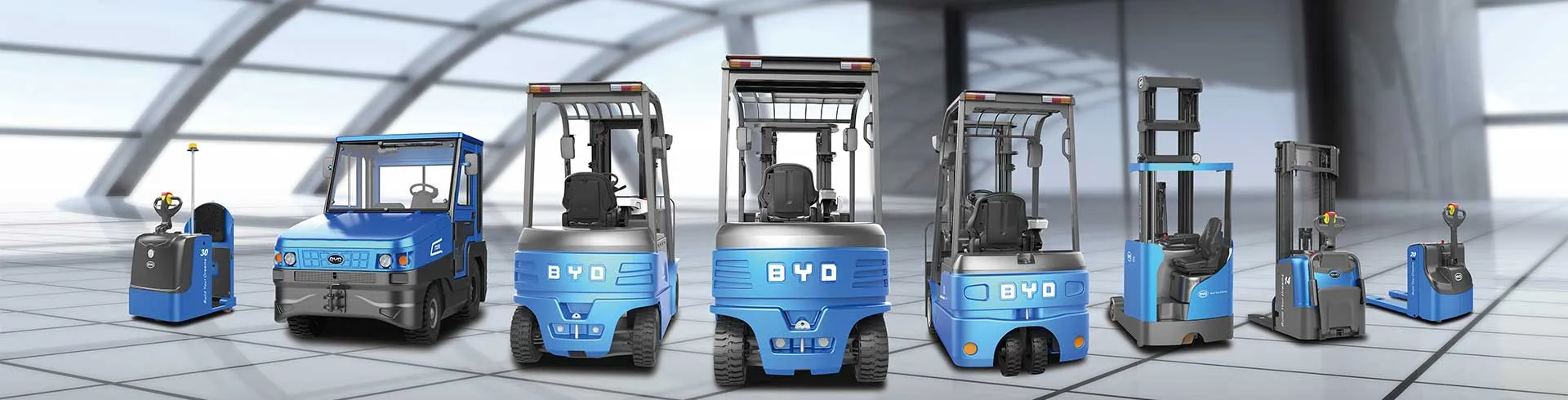
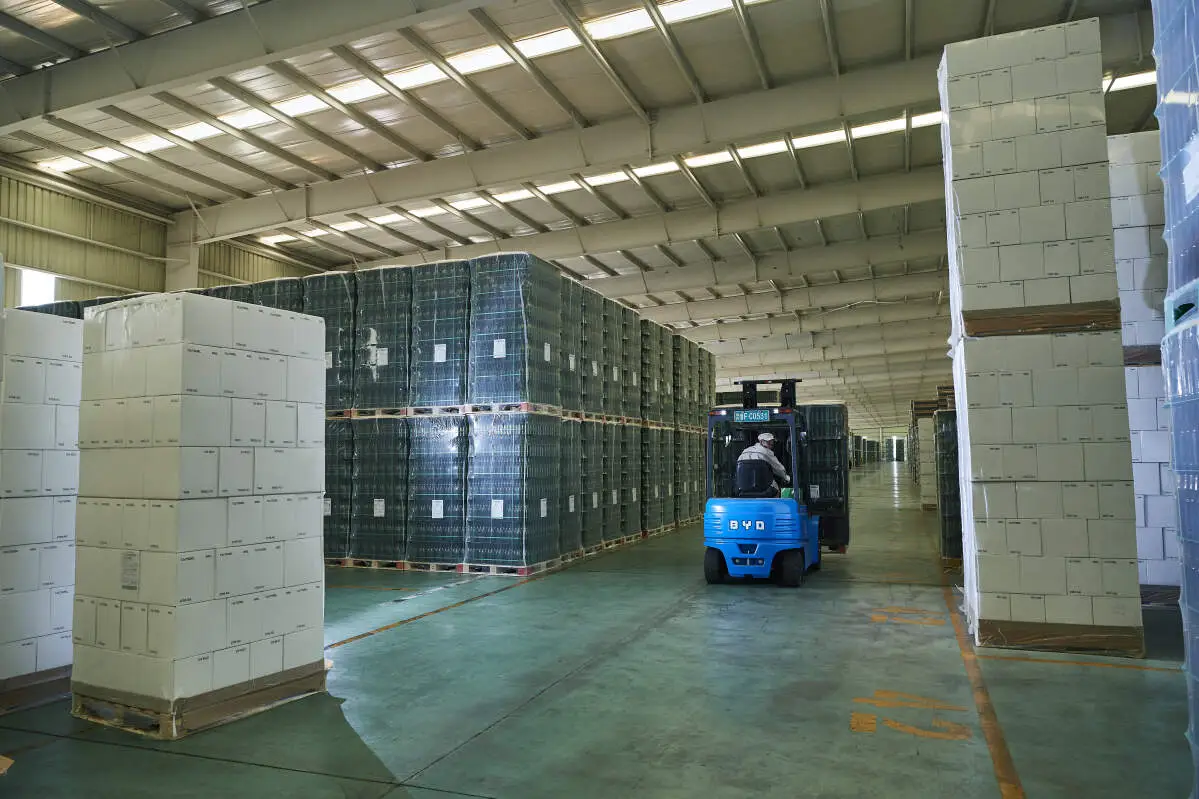
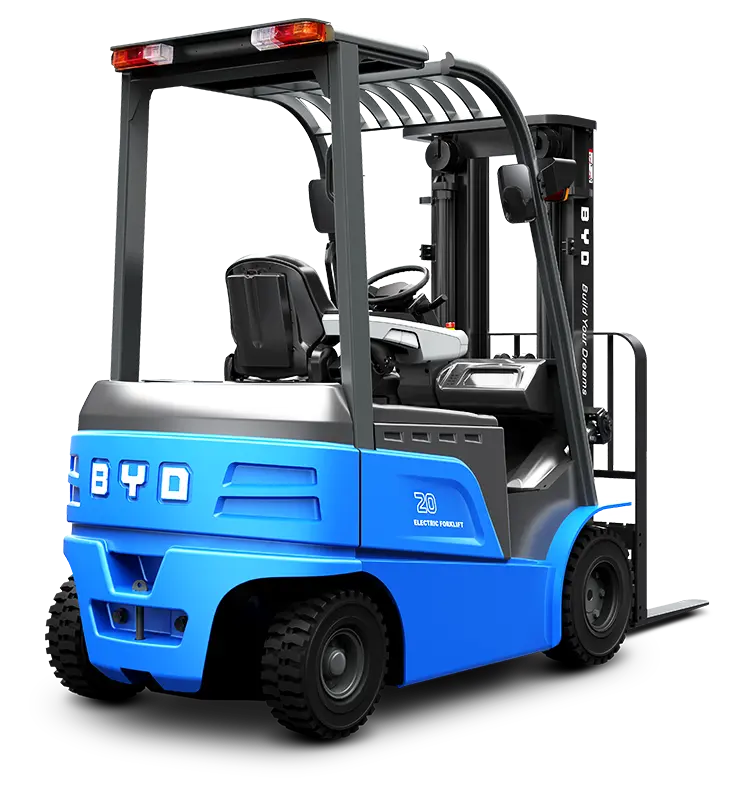
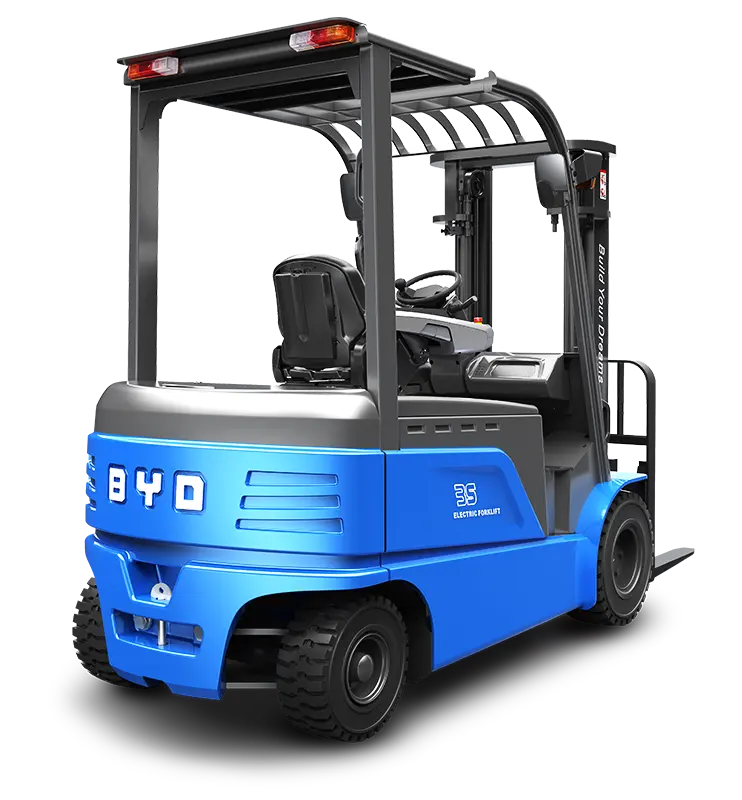
Nowadays, lithium-ion forklifts have become the mainstream choice for warehousing and logistics operations due to their advantages of environmental protection and low energy consumption. Among them, counterweight and forward-moving are two types of products with high usage rates in the market. Many users find it difficult to distinguish between the two when purchasing. Please refer to the following differences for on-demand selection.
The counterweight of the counterweight type lithium battery forklift is set at the rear of the vehicle body, and there is no need for outriggers to assist support during operation, so it is more suitable for scenarios. It is suitable for outdoor open area operations. Its tires are non-slip and more resistant to fabrication. It can drive stably even when it encounters outdoor bumps and gravel on non-hardened roads. It is suitable for cross-workshop transshipment in factories and loading and unloading in open-air freight yards. It is suitable for large-tonnage cargo transshipment. Conventional counterweight lithium battery forklifts have a wider load range. Models from 3 tons to 5 tons are very common. It is more suitable for heavy cargo transshipment, loading and unloading needs such as stone and hardware accessories.
The door frame of the forward-moving lithium-ion forklift can move back and forth with the fork, and the body itself is more compact and flexible, making it more suitable for internal storage operations. It is suitable for narrow-channel storage operations, with a smaller turning radius. It only needs a channel width of 2.7 meters to 3.5 meters to operate normally, which is much smaller than the channel requirements of the counterweight forklift. It is suitable for rental warehouses and high-density storage warehouses. It is suitable for high-rise shelf access. The lifting height of most forward-moving lithium-ion forklifts can reach more than 9 meters. The forward-moving design of the door frame can reduce the shaking of the vehicle body when accessing goods, and the stability of high-rise pickup is stronger. It is suitable for cargo access operations in high-rise three-dimensional warehouses.
When selecting a model, you can refer to the two core dimensions of the operating environment and operating requirements first: if the operation scene is mainly outdoor and the weight of the goods is large, the balance-weighted lithium-ion forklift is preferred; if the operation is mainly indoor storage, narrow channel, and high shelf, the forward-moving lithium-ion forklift is preferred.