简体中文
简体中文 Deutsch
 日本語
日本語 한국어
한국어 Tiếng Việt
 Русский
 ไทย
ไทย Bahasa Indonesia
 Bahasa Melayu
 Filipino
 لالعربية
 Français
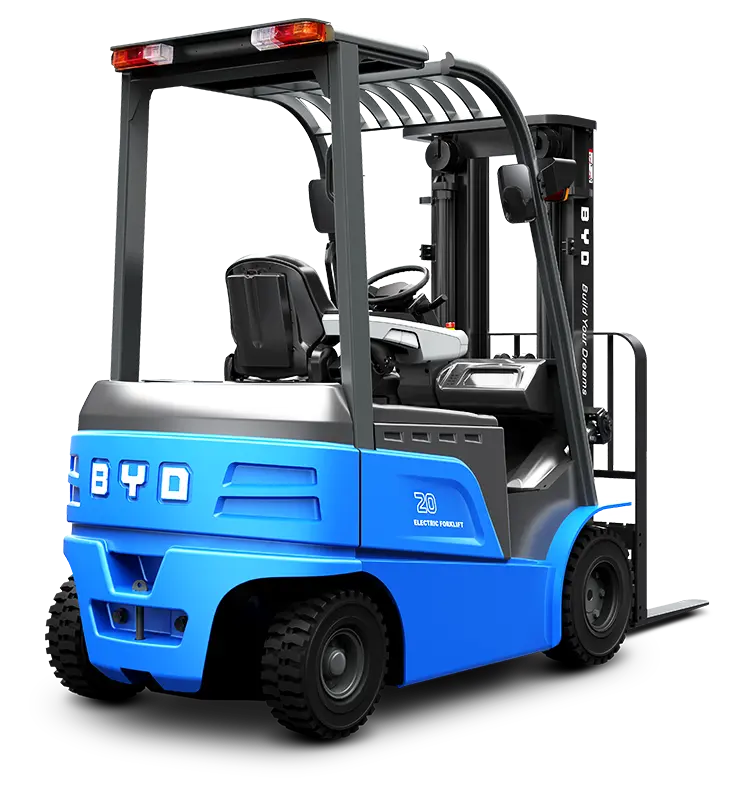
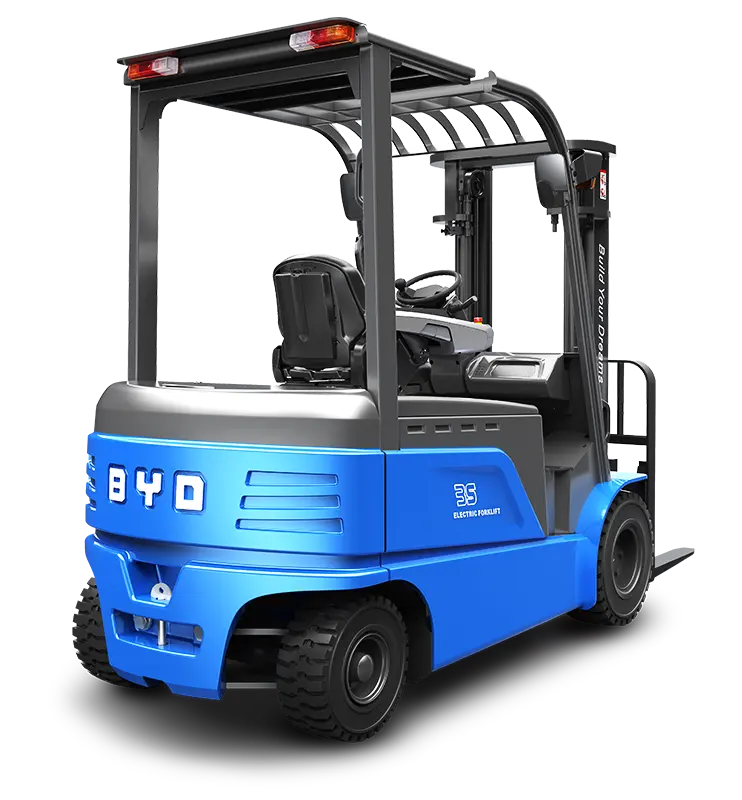
With the popularity of cold chain logistics and high-density warehousing models, cold storage and narrow aisles have become common scenarios for warehousing operations. Lithium-ion forklifts have gradually become the mainstream operating equipment for such scenarios due to their advantages of fast energy replenishment and low operation and maintenance costs. However, the selection of lithium-ion forklifts suitable for special scenarios requires a lot of attention, and they must be screened one by one according to the characteristics of the scenarios.
Core selection requirements for cold storage scenarios
Priority to adapt to low temperature battery configuration
In an environment below zero, the discharge efficiency of ordinary lithium batteries will drop significantly, the battery life will be greatly reduced, and it may even fail to start. When selecting a model, confirm the operating temperature range supported by the battery, and adapt it to the working environment of the cold storage at a low temperature all year round. At the same time, pay attention to the sealing design of the battery and circuit to avoid condensation caused by the temperature difference between the inside and outside of the cold storage entering the interior and causing circuit failure.
Pay attention to the safety protection level
It is necessary to choose a model with a dustproof and waterproof grade suitable for humid and low temperature environments, and at the same time confirm that the braking system has been adapted to low temperature to avoid excessive braking distance when the floor of the cold storage is slippery, which brings potential safety hazards.
Core Selection Requirements for Narrow Channel Scenarios
Body size adaptation channel parameters
Before selecting a model, accurately measure the actual width of the storage channel. The selected forklift truck width and minimum turning radius should match the channel width to ensure that the body and the shelves on both sides have enough safety margin to avoid scratching the shelves and goods during operation.
Steering system flexibility meets standards
Preference is given to models that support small-radius steering or in-situ steering, which can greatly improve the efficiency of turning heads and meeting cars in narrow channels, reduce the difficulty of operation, and pay attention to the visual field design of the driver's seat to reduce the blind spot in the narrow channel.
General Selection Points for Cross-Scene Adaptation
If the forklift needs to operate in the cold storage and narrow channel scenarios at the same time, the corresponding battery capacity should be selected according to the single-day operation time, and the model that supports quick replenishment should be preferred to adapt to the operation rhythm of multiple shifts. At the same time, attention should be paid to the low-temperature friendly design of the control parts to avoid the operation card of buttons and handles at low temperatures, which will affect the operation efficiency.
Overall, the selection of lithium-ion forklifts for such special scenarios does not require the blind pursuit of high parameters. As long as they meet their actual operating requirements, they can choose suitable equipment, effectively improve storage and handling efficiency, and reduce long-term operation and maintenance costs.