
 简体中文
简体中文 Deutsch
 日本語
日本語 한국어
한국어 Tiếng Việt
 Русский
 ไทย
ไทย Bahasa Indonesia
 Bahasa Melayu
 Filipino
 لالعربية
 Français
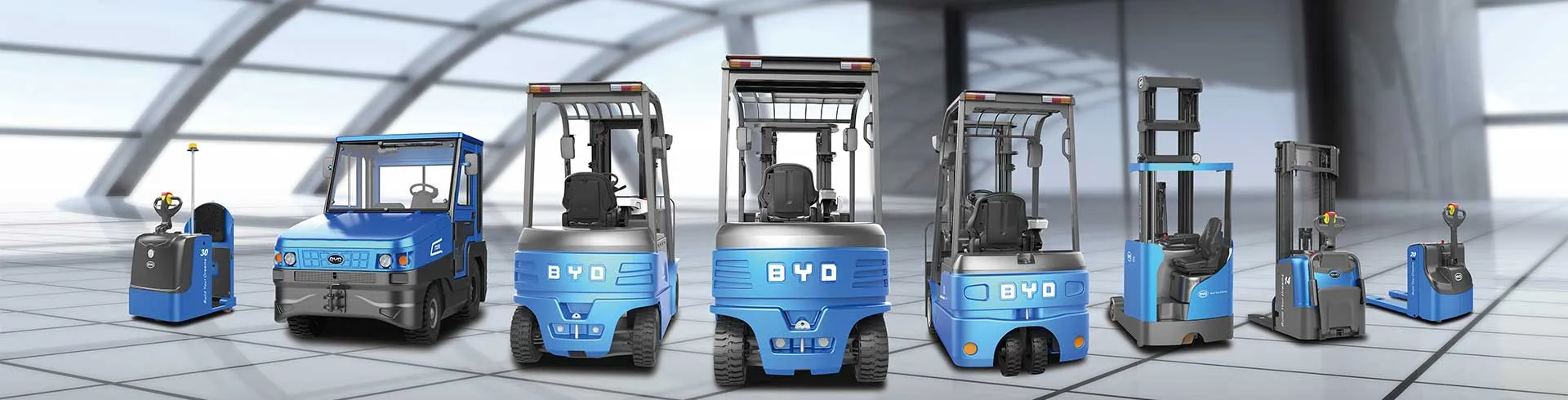
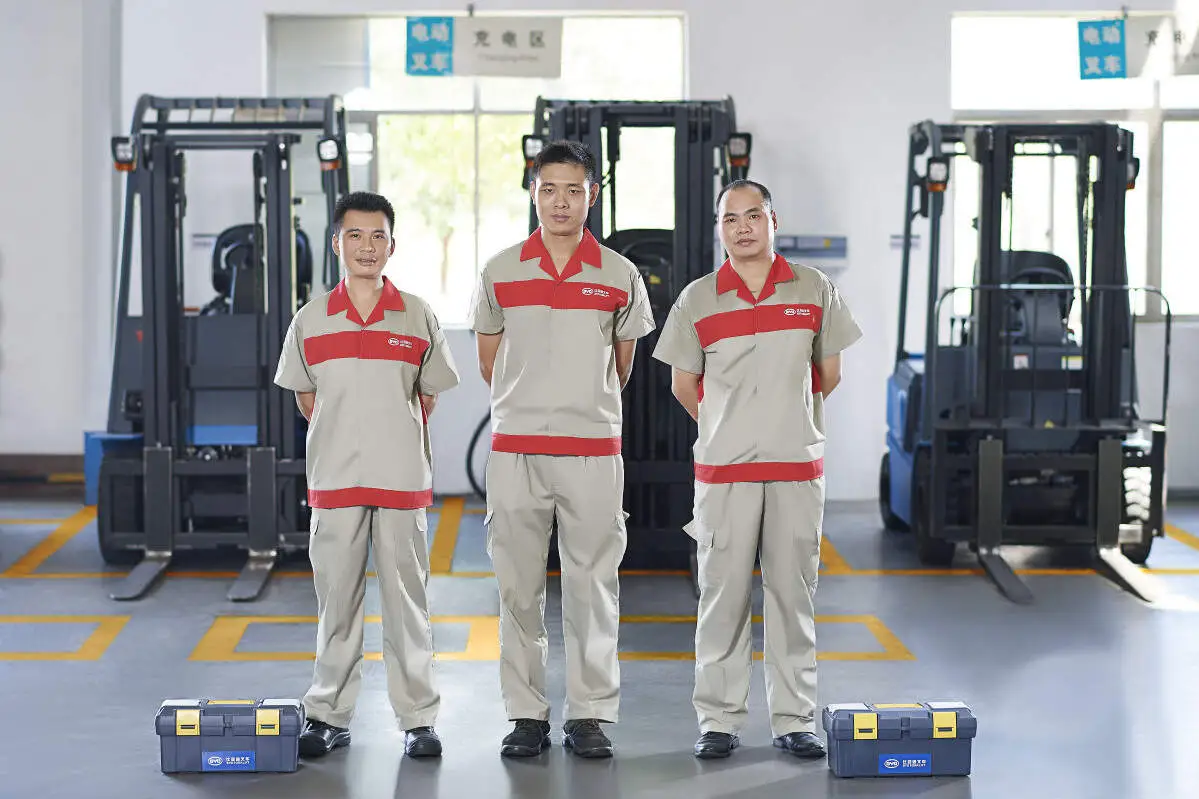
Daily basic inspection and maintenance points
Daily pre-shift check items
Before each start of the operation, the operator needs to inspect the car for a week to check whether the appearance of the car body is bumped and deformed, the tire pressure is in the normal range, and the rim has no loose marks. Then operate the lifting gantry to test the smoothness of the fork's take-off and landing, check whether the lighting, warning sound, and brake system are responsive, confirm that the battery power is within a reasonable range, and the connector has no signs of loosening and heating. After all the status is confirmed, the official operation will be started.
Weekly routine maintenance items
After each week's work, it is necessary to clean up the remaining dust and debris in the cracks of the vehicle body, wipe the lubrication parts of the door frame, check whether there is any accumulation of liquid on the surface of the battery, clean the oxide layer on the surface of the electrode, and test whether the operation of the steering system is smooth and free of cards. Check whether the response of all function buttons of the control handle is normal, and check minor problems in time to avoid accumulated failures.
Standardized maintenance cycle description
Monthly maintenance requirements
When the cumulative working time reaches 100 hours or the natural month is full, it is necessary to check and tighten the connecting fasteners of the whole vehicle one by one, add suitable grease to the door frame chain and bearing parts, check the pipeline of the hydraulic system for leakage marks, clean the blockage of the battery vent, detect the wear degree of the brake pads of the braking system, and replace the parts beyond the use threshold in time.
Quarterly deep maintenance
After every 300 hours of cumulative operation or the end of the natural quarter, full-time operation and maintenance personnel should be arranged to check the single-cell pressure difference of the battery pack, adjust the tension of the gantry chain, replace the oil return filter element of the hydraulic system, calibrate the braking distance of the brakes, check the aging and damage of all wiring harnesses, and replace non-compliant accessories in a timely manner.
Annual comprehensive inspection
After every 1,200 hours of operation or one year of use, it is necessary to conduct a comprehensive performance test of the core components of the vehicle, replace the working oil of the hydraulic system, adjust the matching clearance of all control components, and investigate hidden hidden trouble hazards to ensure the long-term stable operation of the equipment. Strictly following the corresponding maintenance specifications to carry out operations can effectively reduce the probability of equipment failure and provide reliable support for daily handling operations.


