
 简体中文
简体中文 Deutsch
 日本語
日本語 한국어
한국어 Tiếng Việt
 Русский
 ไทย
ไทย Bahasa Indonesia
 Bahasa Melayu
 Filipino
 لالعربية
 Français
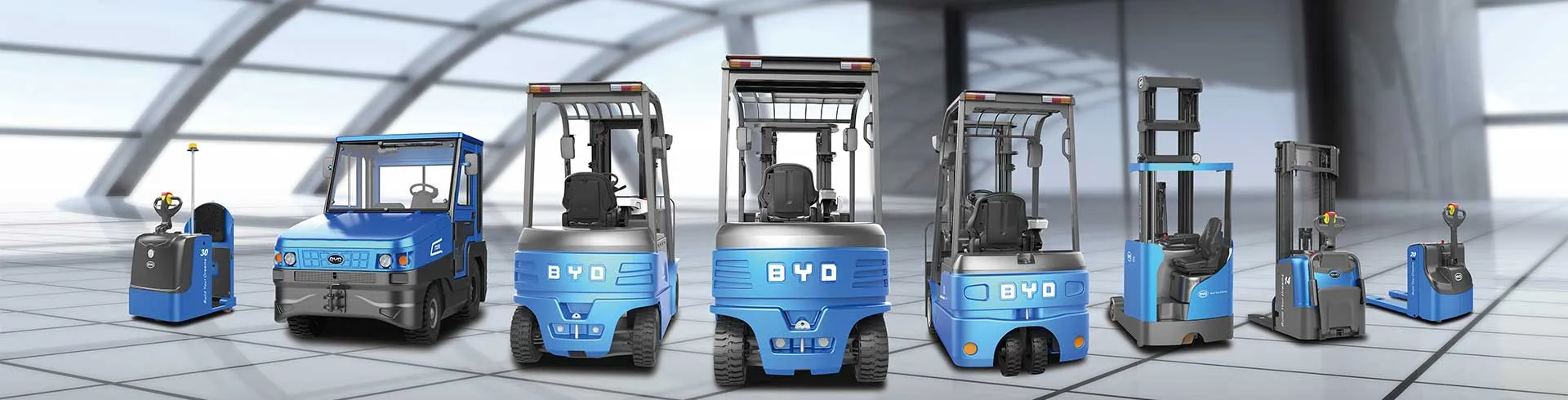
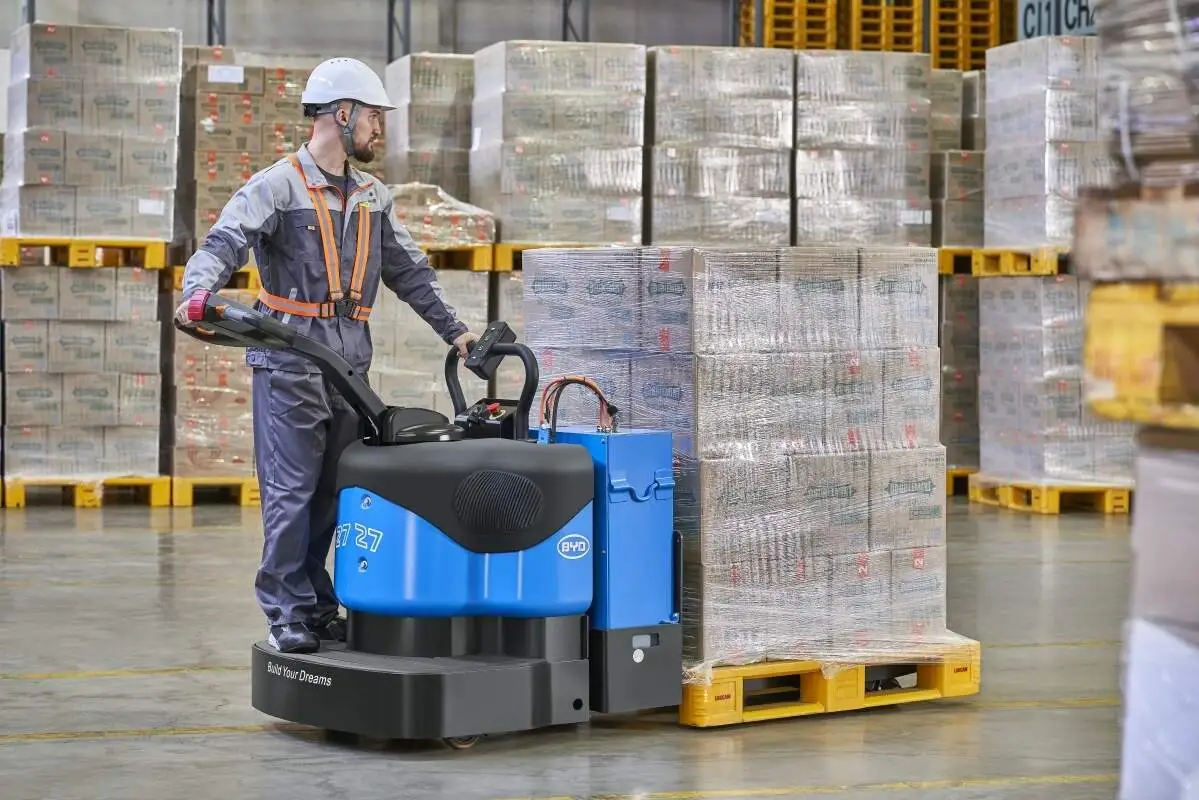
After-sales services basic description
For the full-cycle after-sales service of this type of electric forklift, we provide corresponding service support to users who purchase machines through all regular channels. All services meet the requirements of relevant industry norms. Users can match their corresponding service rights with the official service manual and enjoy standardized operation and maintenance support.
After-sales repair channel description
Users can submit a repair application through the officially designated service hotline, online server level port or the nearest offline service outlet. When submitting the application, they need to accurately inform the core information such as equipment number, failure scene, contact address, etc., so that service personnel can prepare corresponding tools and adaptation accessories in advance to improve the processing efficiency of on-site service.
door-to-door service response rules
Under normal working conditions, the service personnel will arrange the door-to-door according to the order in which the user submits the application and the urgency of the failure. The service response duration in remote areas will communicate with the user in advance to avoid poor information. All service operations are carried out in strict accordance with the technical specifications of the corresponding model to ensure that the processing effect meets the requirements.
Daily basic maintenance points
Daily pre-work inspection items
Before starting the equipment operation, the user can routinely check the remaining power, the sensitivity of the braking system, the smoothness of the steering operation, and whether the fork and surrounding structural parts have obvious deformation. After confirming that there is no abnormality, the operation can be started to avoid unnecessary safety hazards and component losses caused by faulty operation.
Periodic deep maintenance requirements
According to the maintenance cycle guidelines provided by the official, regularly clean and dust the electrical connectors, add grease to the motion hinge points, check the degree of tire wear, and replace parts with excessive wear in a timely manner to ensure the long-term stability of the equipment operation. Adapt to the needs of various conventional warehousing and handling operations.
Common failure compliance guidelines
Non-hardware fault autonomous troubleshooting scope
In the event of a sudden equipment shutdown, you can first check whether the emergency stop button is accidentally touched and whether the charging interface is fully reset. After eliminating such simple problems, you can confirm the operating status of the equipment without blindly disassembling the core components, reducing unnecessary operating costs.
Fault scenarios that require professional intervention
In the event of an error in the electronic control system, leakage in the hydraulic system, or abnormal power output, the user should not disassemble the core electrical components by himself. Submit the after-sales application in time and wait for the professional to arrive at the scene to avoid improper operation and expand the failure loss, which will affect the normal use of the subsequent equipment.


