
 简体中文
简体中文 Deutsch
 日本語
日本語 한국어
한국어 Tiếng Việt
 Русский
 ไทย
ไทย Bahasa Indonesia
 Bahasa Melayu
 Filipino
 لالعربية
 Français
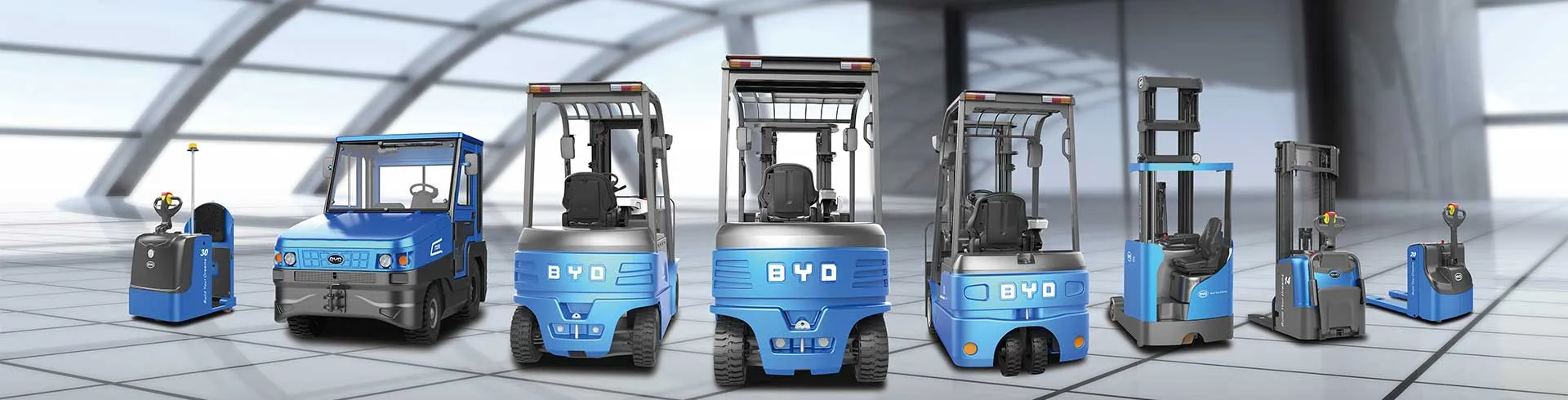
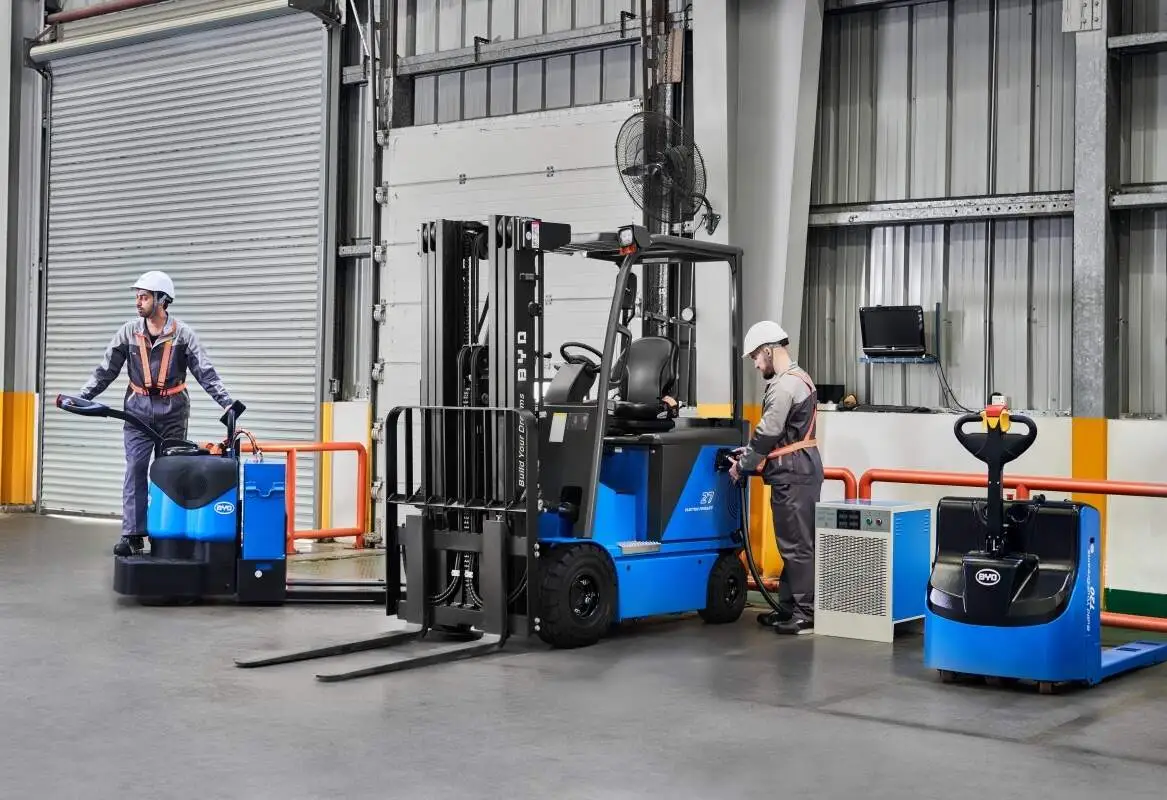
The biomedical clean area has extremely high requirements for pollution control of the production environment. As the core auxiliary tool in the workshop, the material selection of the handling equipment is directly related to the compliance of the production environment and drug safety. The three-pivot electric forklift has become a commonly used handling equipment in the clean area due to its small size and flexible steering. Its material must strictly follow the special standards of the clean area.
The first is the main structure material. The frame, fork and other core load-bearing components of the three-point electric forklift in the clean area need to be made of stainless steel that meets the food-grade requirements. The common ones are 304 stainless steel and 316 stainless steel. 304 stainless steel has good corrosion resistance and cleanliness, and is suitable for the environment of conventional clean areas. If there are acid-base reagents or high humidity conditions in the clean area, 316 stainless steel with stronger corrosion resistance needs to be selected to avoid material corrosion and particulate pollutants.
The second is the surface treatment process. The surface of all stainless steel parts needs to be polished or passivated, and the surface roughness needs to be controlled within Ra0.8μm to ensure that there are no concave and convex gaps, reduce the adhesion and accumulation of dust and microorganisms, and facilitate daily cleaning and disinfection. The treated surface should be free of burrs and scratches to avoid metal debris during handling and pollute the production environment.
Then there is the material of the sealing parts. The hydraulic system seals, electrical interface seals, etc. of the forklift need to be made of food-grade silicone rubber or fluororubber. This material has excellent temperature resistance, chemical corrosion resistance, and no odor or harmful substances. It can not only prevent the hydraulic oil and electrical components from contacting the outside clean air, but also avoid the pollution of the sealing material itself to the environment. At the same time, the sealing structure needs to be tightly designed to prevent dust and water vapor from entering the interior and affecting the operation stability of the forklift.
In addition, the fasteners of the forklift, such as bolts, nuts and other small parts, also need to be made of stainless steel that is consistent with the main structure, and ordinary carbon steel materials are prohibited to prevent rust and rust chips. The operating handle, seat and other contact parts of the forklift need to be made of environmentally friendly materials that are easy to clean and free of pores to avoid residual stains from breeding microorganisms.
In summary, the material selection of the three-point electric forklift in the biomedical clean area needs to focus on the three core requirements of "anti-pollution, easy cleaning and corrosion resistance", and strictly follow the relevant standards in order to ensure the stability and safety of the production environment in the clean area and help biomedical enterprises comply with production.


