
 简体中文
简体中文 Deutsch
 日本語
日本語 한국어
한국어 Tiếng Việt
 Русский
 ไทย
ไทย Bahasa Indonesia
 Bahasa Melayu
 Filipino
 لالعربية
 Français
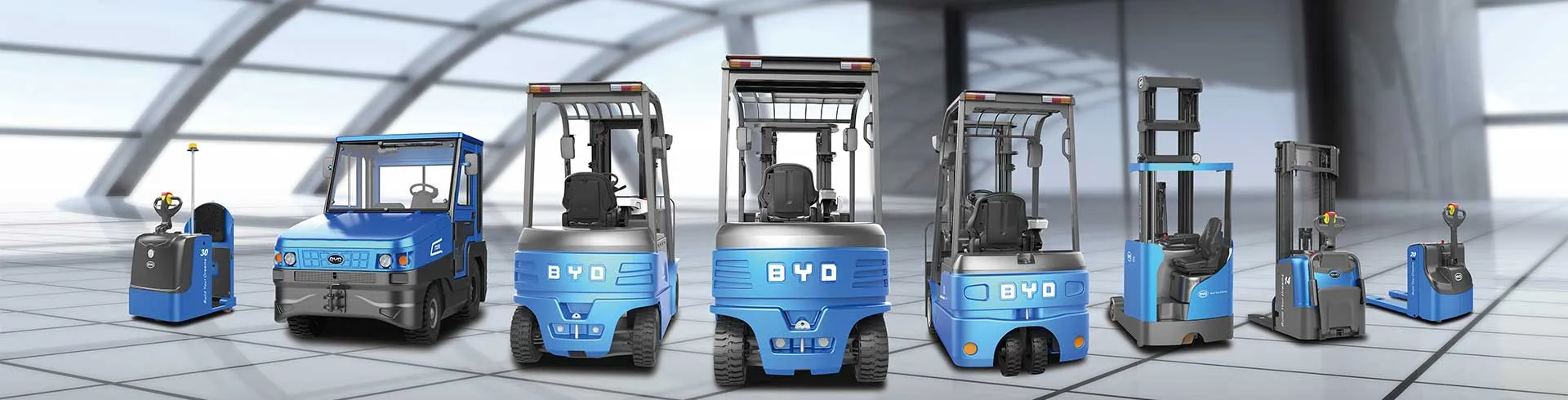
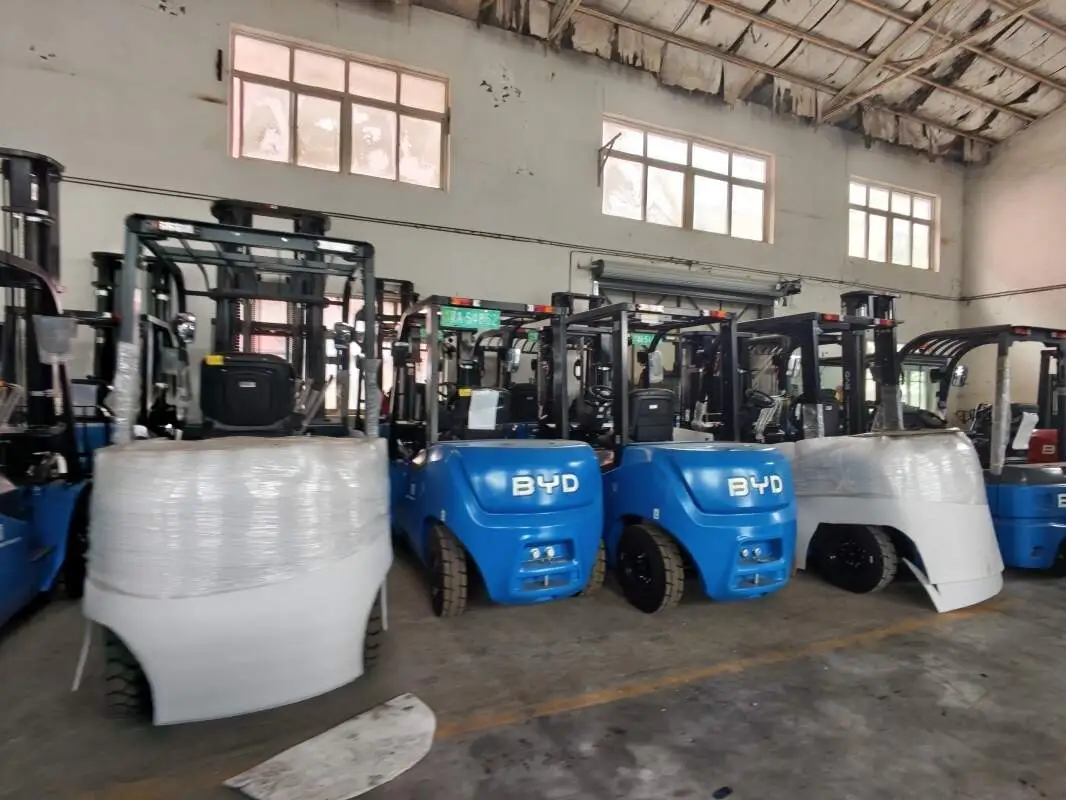
Class 10,000 and Class 100,000 pharmaceutical workshops, as the core areas of drug production, have strict regulatory requirements for environmental cleanliness and material handling safety. Such workshops are usually compact in layout, narrow in passages, and need to avoid pollution such as exhaust gas and dust throughout the process. Conventional handling equipment is often difficult to adapt to its space and environmental standards. Small three-point electric forklifts, with their own characteristics, have become the suitable choice for material handling in such workshops.
First of all, the small three-point electric forklift meets the environmental needs of the clean workshop. It adopts a pure electric drive mode, no exhaust emissions during operation, no harmful gases will be generated to pollute the production environment, and the operation noise is low, which will not interfere with the production order in the workshop. Compared with the traditional fuel forklift, it avoids the risk of cleanliness damage caused by exhaust gas and oil pollution from the root, and meets the environmental control standards of the 10,000-level/100,000-level workshop.
Secondly, its structural characteristics adapt to the spatial layout of the workshop. The small three-point electric forklift has a narrow body width, and with the three-point steering design, it has the function of in-situ steering, which can flexibly complete U-turns and turns in the narrow workshop channel without reserving too much work space. It effectively uses the limited layout resources of the workshop, reduces the occupation of the production area, and improves the space utilization rate.
In the specific application plan, it is necessary to formulate the operation rules in combination with the workshop specifications. First, plan the exclusive handling route, set a fixed material handling channel according to the production process and layout of the workshop, avoid crossing with the core production area, and reduce the impact of the flow of personnel and materials on the cleanliness; second, implement the requirements of clean operation, the operator needs to wear clean clothes that meet the workshop level, and the surface of the forklift needs to be cleaned and disinfected before each entry into the production area to prevent the carrying of external pollutants; third, establish a regular maintenance mechanism, set up an exclusive maintenance area outside the workshop, and regularly check and maintain the battery, steering system, and braking system of the forklift to avoid dust and oil pollution generated during the maintenance process from entering the production workshop.
The rational application of small three-point electric forklifts can not only improve the efficiency of material handling, reduce the labor intensity and error rate of manual handling, but also ensure the cleanliness of the workshop from the equipment level, help pharmaceutical companies meet production standards, reduce the risk of material contamination, and provide support for the safety and stability of drug production.


