简体中文
简体中文 Deutsch
 日本語
日本語 한국어
한국어 Tiếng Việt
 Русский
 ไทย
ไทย Bahasa Indonesia
 Bahasa Melayu
 Filipino
 لالعربية
 Français
Basic check points before work
Appearance and structural inspection
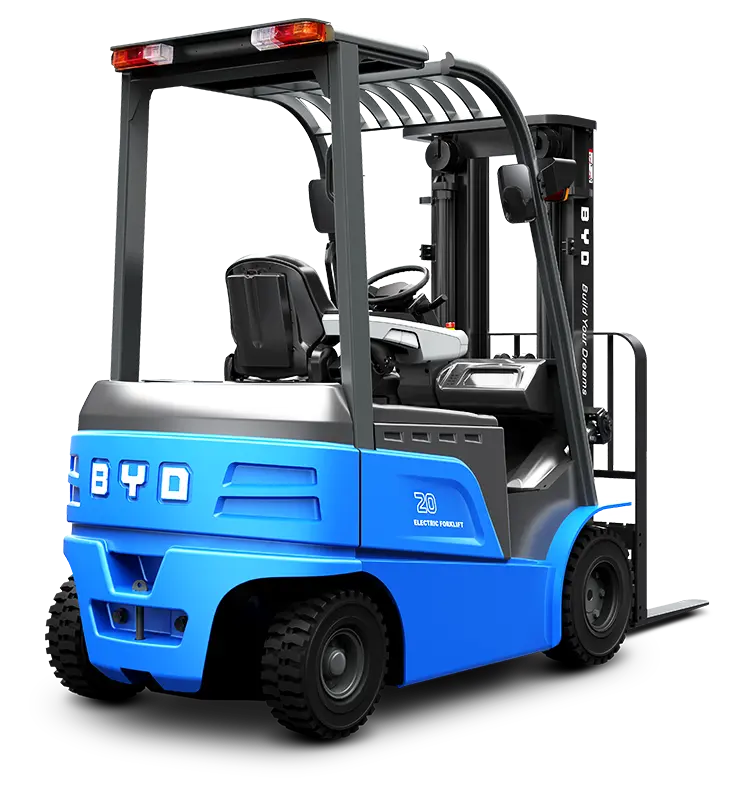
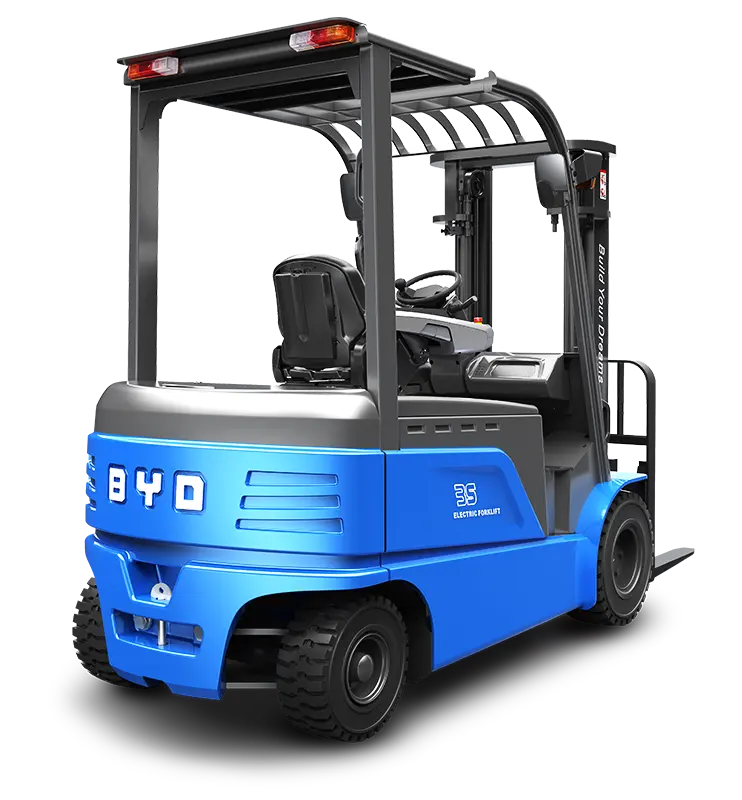
Before each departure, first go around the car to check the overall appearance, check whether there are obvious deformation or cracks in the body, gantry, and fork parts, whether the fastening bolts are loose and falling off, check whether the tire pressure meets the standards, and whether the tread is embedded with sharp foreign objects to avoid risks such as tire blowouts and structural parts breaking during operation.
Power and safety device inspection
Check the corresponding energy balance according to the power type, check whether the diesel, lubricating oil, and coolant levels are normal for the fuel forklift, check whether the battery power meets the operation requirements for the electric forklift, and then test the braking sensitivity of the brake pedal. Check whether the safety devices such as lights, horns, and warning lights can be triggered normally, and then start the operation after confirming that the steering system is not stuck.
Key points of maintenance during operation and after collection
operating condition monitoring
During the operation, it is necessary to pay attention to the running status of the forklift, listen for abnormal noises from the engine, motor, and hydraulic system, smell whether there is any odor caused by scorch, oil leakage, and feel whether the steering and fork lifting movements are smooth. If any abnormalities occur, it is necessary to immediately stop in a safe area for investigation. It is strictly forbidden to operate equipment with diseases to avoid minor problems from turning into major failures.
Clean up and check after receiving the car
After the end of the day's operation, the fork should be lowered to the ground and docked smoothly to the designated area, turned off or disconnected from the main power supply, cleaned up the dust, cargo debris and spilled liquid materials attached to the surface of the vehicle, and carefully checked the chassis and pipeline parts for oil leakage and liquid leakage traces. Record any abnormal conditions that occur during the operation of the equipment on that day to facilitate follow-up maintenance personnel for targeted investigation.
Periodic in-depth maintenance points
replacement of wearing parts
According to the time required by the equipment user manual or the number of working hours, regularly replace the oil, hydraulic oil, and various filter elements, and check the wear degree of the brake pads, seals, tires, and other easily worn parts. Once the wear reaches the safety threshold, it should be replaced in time. Do not delay the replacement in order to reduce the cost, but lead to higher failure maintenance costs.
safety performance verification
Every fixed period, the safety performance of the forklift should be fully checked, the braking force of the braking system should be tested to see if it meets the standards, the pressure relief of the lifting cylinder should be checked, and the safety components such as seat belts and overload protection devices should be checked to see if they are functioning properly. In-depth maintenance is recommended to be carried out by operators with corresponding qualifications. Do not dismantle the core components without permission to avoid equipment damage or safety hazards.