
 简体中文
简体中文 Deutsch
 日本語
日本語 한국어
한국어 Tiếng Việt
 Русский
 ไทย
ไทย Bahasa Indonesia
 Bahasa Melayu
 Filipino
 لالعربية
 Français

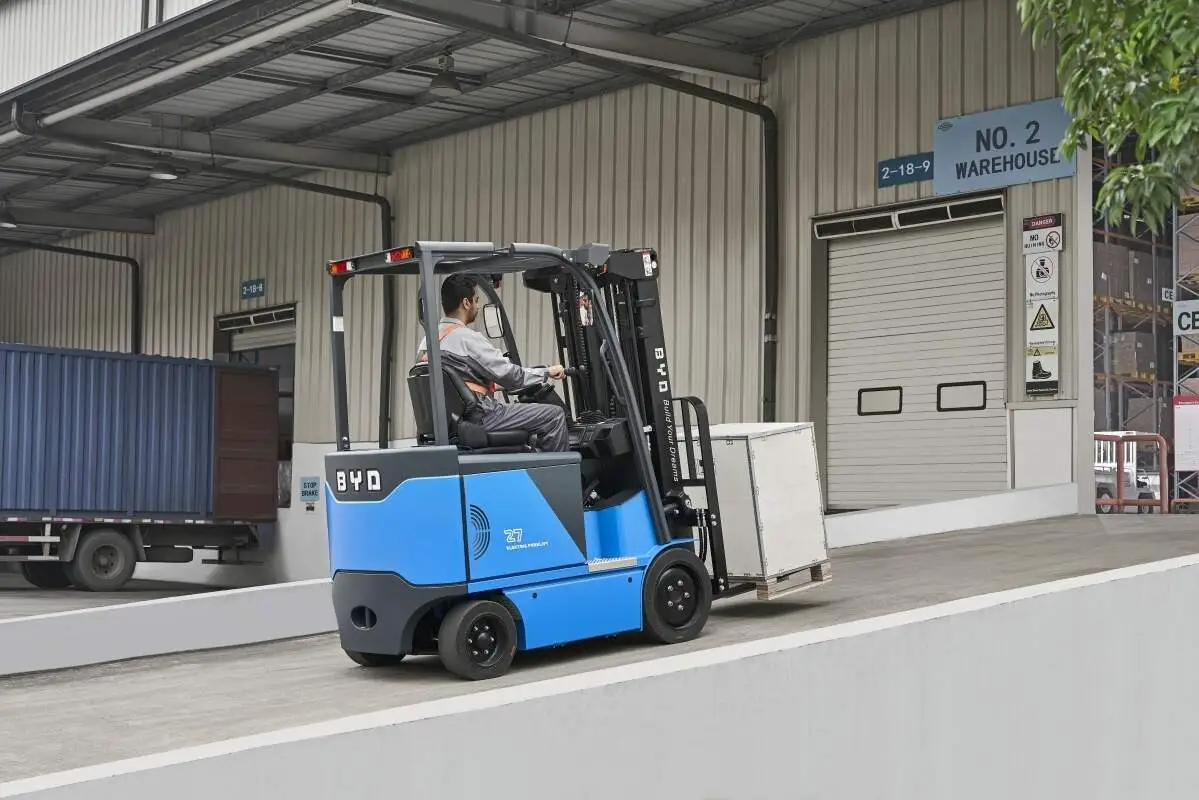
Before operation, safety protection is required: park the ground cow on a flat and stable ground, disconnect the power supply for the electric model, and slowly release the hydraulic pressure in the cylinder to prevent the hydraulic oil from ejecting. At the same time, prepare tool accessories such as socket wrench, screwdriver, new oil seal, hydraulic oil, cleaning cloth and lubricating oil.
First disassemble the cylinder: lower the fork to the lowest position, remove the connecting bolts between the cylinder and the frame, and carefully remove the cylinder assembly. Unscrew the cylinder end cover with a special tool, slowly extract the piston assembly, avoid scratching the piston surface during the process, and collect the outflow hydraulic oil synchronously for subsequent processing.
Then clean the old oil seal and check the parts: remove the old oil seal on the piston, wipe the inner wall of the cylinder and the surface of the piston with a cleaning cloth to completely remove oil impurities. Check the cylinder and piston for wear and scratches. Minor wear can be polished and repaired with fine sandpaper. Severe wear requires replacement of corresponding parts.
Then install the new oil seal: apply a layer of lubricating oil evenly on the surface of the new oil seal, and use a special tool or rubber hammer to knock the oil seal flat into the piston slot to ensure that there is no distortion, no scratches on the edge, and the sealing performance is up to standard.
Then complete the cylinder assembly and debugging: slowly load the piston with the oil seal into the cylinder block, tighten the end cover after aligning the position, put the cylinder assembly back into the frame and tighten the connecting bolts. Add hydraulic oil that meets the specifications to drain the air in the cylinder to ensure the smooth operation of the hydraulic system.
Final test machine inspection: start the ground cow, operate the fork lift several times to observe whether the oil cylinder leaks and whether the fork lift is stable. If there is oil leakage or abnormal operation, it is necessary to re-disassemble and check the installation status of the oil seal or the wear of the cylinder block until the fault is eliminated. It is necessary to regularly check the oil seal status every day to avoid overload operations and prolong the service life of components.


