简体中文
简体中文 Deutsch
 日本語
日本語 한국어
한국어 Tiếng Việt
 Русский
 ไทย
ไทย Bahasa Indonesia
 Bahasa Melayu
 Filipino
 لالعربية
 Français
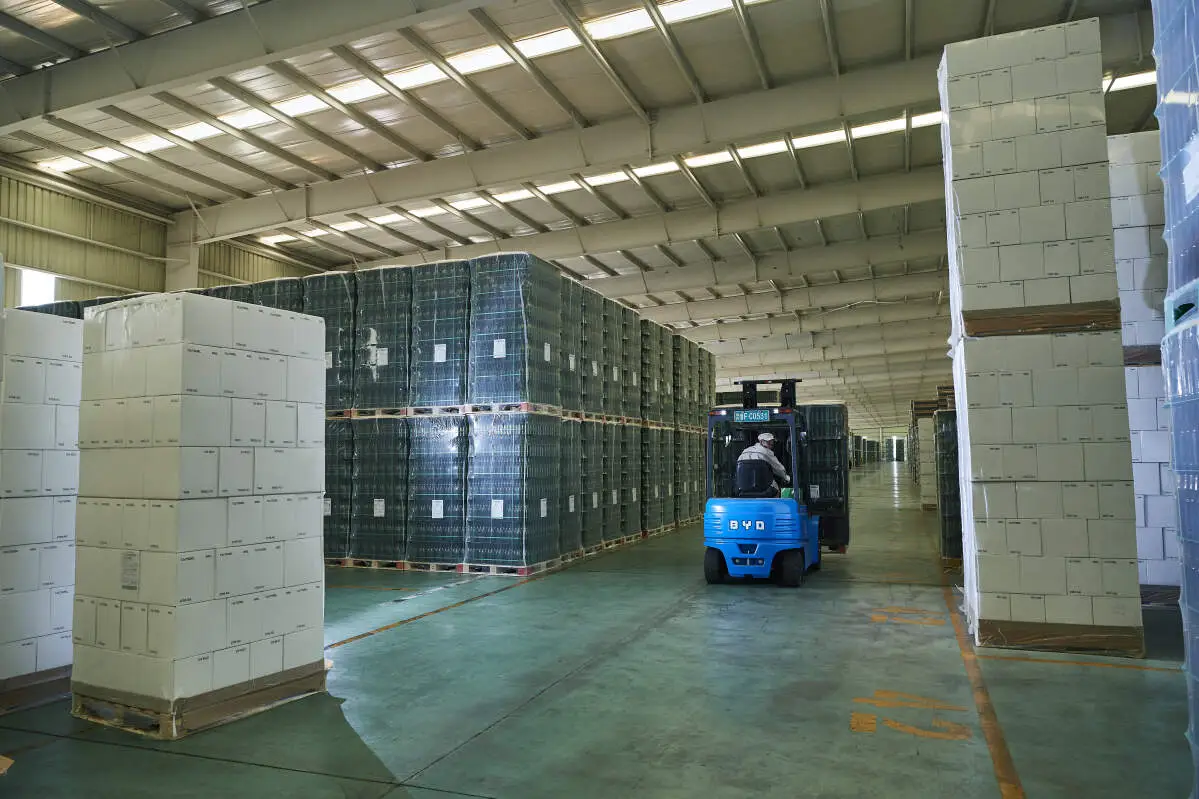
Recently, many oil-for-electricity subsidy policies have been implemented intensively, injecting new impetus into the equipment upgrade of manufacturing enterprises. Under the dual pressure of stricter environmental protection requirements and operating cost control, manufacturers' willingness to update electric forklifts is significantly increasing, and the pace of electric transformation in the forklift market continues to accelerate.
Previously, fuel forklifts used to be the main equipment for material handling in manufacturing enterprises due to their strong power and unlimited battery life. However, with the intensification of oil price fluctuations and the continuous increase in environmental protection supervision, the drawbacks of fuel forklifts have gradually become apparent. On the one hand, the proportion of fuel consumption in the material handling cost of enterprises continues to rise, which brings a lot of economic pressure to enterprises; on the other hand, the exhaust gas emitted by fuel forklifts does not meet the environmental protection requirements of some regions, and enterprises face compliance risks, especially in key environmental protection areas such as Beijing-Tianjin-Hebei and the Yangtze River Delta. Excessive emissions may also face fines.
The implementation of the oil-for-electricity subsidy policy has just hit the core needs of enterprises. The subsidy policies introduced in various places cover forklift replacement, purchase and other links, and the subsidy amount ranges from thousands to tens of thousands of yuan, directly reducing the cost threshold for enterprises to replace electric forklifts. After calculating, many companies found that with subsidies, the purchase cost of electric forklifts is almost the same as that of fuel forklifts. In the long run, the operation and maintenance cost of electric forklifts is lower, the charging cost is only about one-third of the fuel cost, and the follow-up maintenance is also simpler, without frequent replacement of oil, filter elements and other accessories.
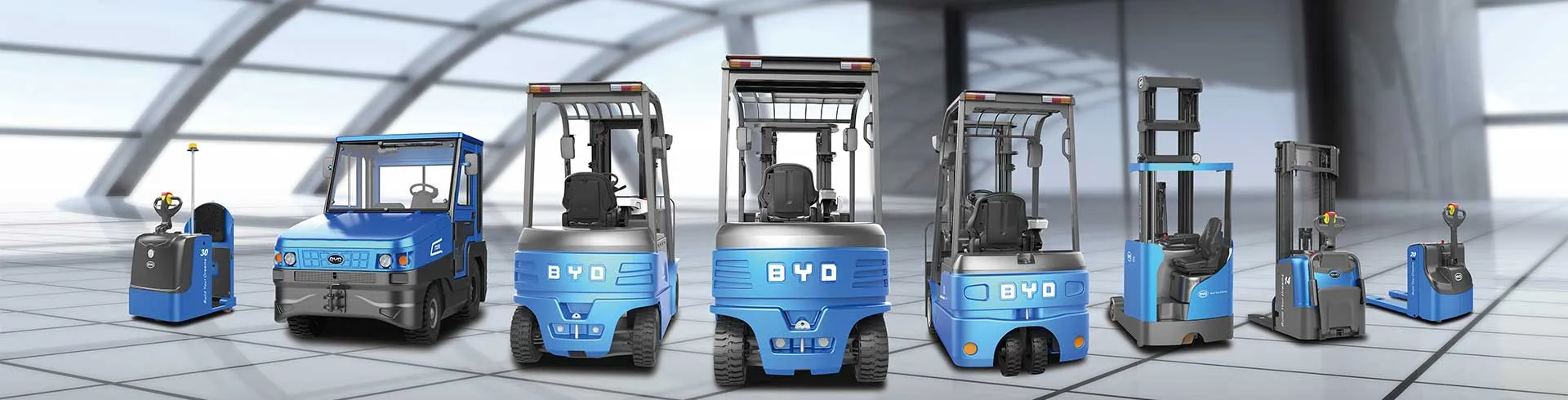
Under the policy dividend, more and more manufacturing enterprises have begun to include electric forklifts in their equipment update plans. Some large manufacturing enterprises have started batch replacement work, gradually replacing fuel forklifts in the factory with electric forklifts, which not only reduced operating costs, but also successfully passed the special project inspection of the environmental protection department; some small and medium-sized enterprises are also actively investigating, comparing the performance and cost of different models of electric forklifts, and formulating update plans that suit them. In addition, electric forklifts are suitable for a wide range of scenarios. Whether it is indoor storage and handling or outdoor factory operations, they can find corresponding products, which further meets the diverse needs of enterprises.
In addition to cost and environmental factors, the intelligent characteristics of electric forklifts also attract enterprises. Many new electric forklifts are equipped with intelligent management systems that can monitor battery status, running track and other data in real time, helping enterprises optimize material handling processes and improve operational efficiency. This also makes enterprises realize that replacing electric forklifts is not only an update of equipment, but also an upgrade of production management mode.
The implementation of the oil-for-electricity subsidy policy has not only promoted the equipment upgrade of manufacturing enterprises, but also helped the electric transformation of the forklift industry. In the future, with the continuous implementation of the policy and the continuous improvement of charging facilities, electric forklifts will occupy a larger market share in the manufacturing industry, providing strong support for enterprises to achieve cost reduction and efficiency increase and green development.