简体中文
 Deutsch
 日本語
 한국어
 Tiếng Việt
 Русский
 ไทย
 Bahasa Indonesia
 Bahasa Melayu
 Filipino
 لالعربية
 Français

At present, the domestic manufacturing industry is accelerating its transformation towards digitalization and intelligence. The traditional warehousing process relies on manual document verification and manual scheduling of material handling and transshipment, which has gradually failed to keep up with the fast-paced production scheduling needs. Many enterprises have started to upgrade the supporting work of smart warehousing, trying to break through the information barrier between the production end and the storage end, and rationalize the material flow logic of the whole link.
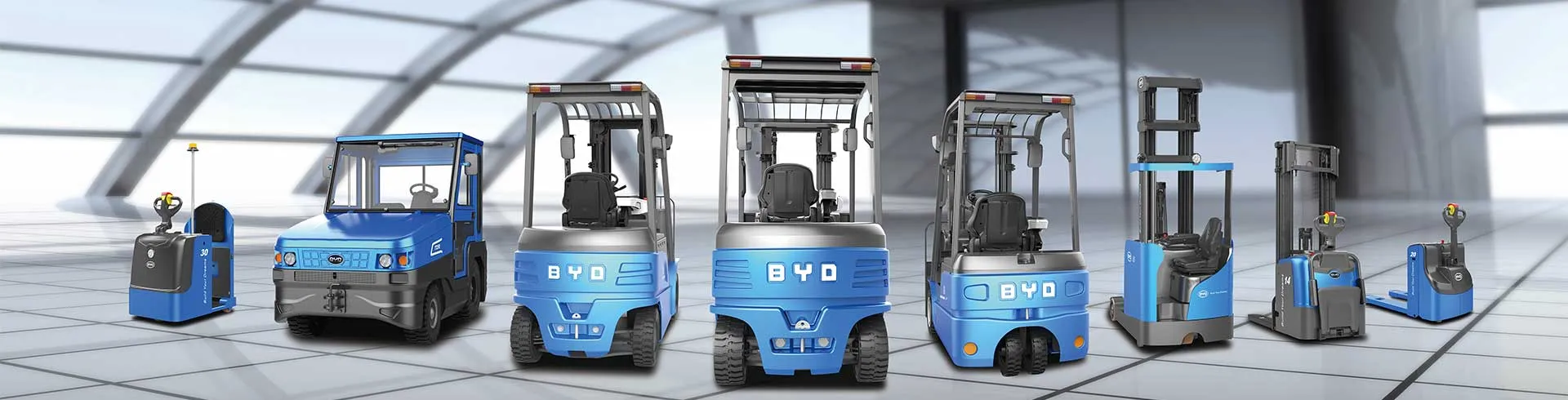
Intelligent electric forklifts, as the core circulation equipment in the smart warehousing system, can rely on the built-in digital control module to synchronize the material scheduling instructions in the warehousing management background in real time, without manually checking the paper documents, and can accurately complete the material pick and place, transfer, and code placement operations at designated points, greatly reducing the probability of human error.
In the daily workshop material flow scene, the energy consumption of the intelligent electric forklift is stable, and the operation adaptability is more friendly. The front-line operators can use it proficiently after a short period of standardized training. With the unified scheduling of the warehouse management system, it can also rationally plan the driving path of the vehicle, reduce the proportion of invalid detours and empty-load driving, which not only reduces unnecessary energy consumption, but also reduces the time consumption of single-trip material transfer.
Many companies that are promoting the upgrade of smart warehousing have reported that after introducing intelligent electric forklifts that are suitable for their own operating scenarios, the waiting time for materials between different processes in the workshop has been significantly shortened, and the manpower allocation in the warehousing process can also be tilted towards inventory and quality inspection positions that require more refined management. The overall smoothness of warehousing operations has been steadily improved.
In the future, with the iterative optimization of related intelligent equipment, intelligent electric forklifts will also be adapted to more subdivided warehousing operation scenarios, providing more practical support for the digital upgrading of warehousing for production and operation entities of different scales, and helping to steadily improve the material flow efficiency of the whole industry.