简体中文
 Deutsch
 日本語
 한국어
 Tiếng Việt
 Русский
 ไทย
 Bahasa Indonesia
 Bahasa Melayu
 Filipino
 لالعربية
 Français

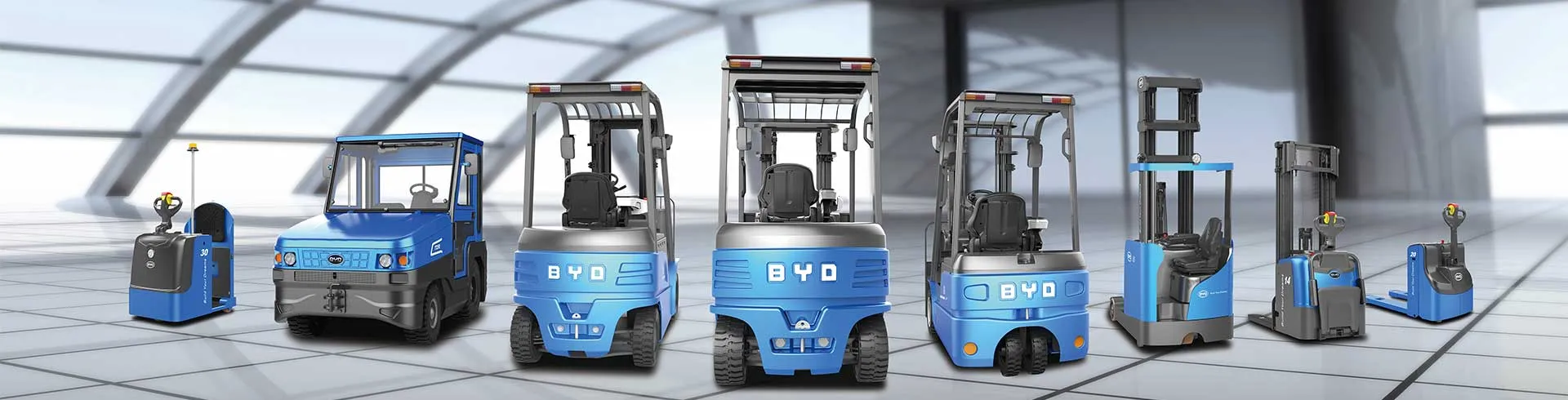
At present, the domestic warehousing industry is gradually transforming to the direction of refined operation. In many scenarios such as old and old storage areas, high-density intelligent warehousing, fresh cold storage compartments, and production workshop line edge areas, there are widespread pain points such as insufficient channel reservation width and cramped operating space. Traditional handling equipment is limited by the size of the fuselage and the turning radius, making it difficult to smoothly enter such narrow areas for operation. Not only are there problems of scratching shelves and bumping goods, but also a large number of corner spaces are idle, and it is difficult to effectively improve the utilization rate of storage space. In response to such common operating problems, lightweight electric forklifts have become the priority choice for many operators to optimize scenarios. This type of equipment adopts a compact fuselage design, the overall turning radius is greatly reduced, and the body weight is also reasonably controlled. It can pass smoothly without reserving too large a safe passage gap, even if it is only a narrow channel with a width of about 1.8 meters, the inside of the cargo elevator, and the narrow transition area connected to the loading and unloading platform. The power output and lifting height parameters of the equipment match the daily handling needs of small and medium-weight goods, and the energy consumption performance is also more friendly. Long-term use can effectively reduce operating energy costs. In the actual scenario optimization process, the operator does not need to make large-scale hardware modifications to the existing warehouse area. Instead, it only needs to combine the actual channel width, cargo load, and operation line characteristics of the warehouse area, match the corresponding parameters of the lightweight electric forklift, and make small adjustments to the original operation path, so that the narrow corners that could not be covered before can be included in the regular operation scope. At present, the application scenarios of lightweight electric forklifts have been extended from conventional flat storage and handling to high-rise narrow-channel shelf access, cold warehouse low-temperature compartment operations, and workshop precision material transfer, which were previously difficult to adapt to traditional handling equipment. Without increasing too much investment, the coverage boundary of warehousing operations has been effectively broadened, helping operators to fully tap the potential stock space value and achieve steady improvement in warehousing operation efficiency.