简体中文
 Deutsch
 日本語
 한국어
 Tiếng Việt
 Русский
 ไทย
 Bahasa Indonesia
 Bahasa Melayu
 Filipino
 لالعربية
 Français

The dual-carbon strategy continues to advance, and the coverage of carbon reduction and emission reduction in the industrial field continues to expand. Industrial vehicles, which are the core material handling carriers in factories and warehousing and logistics scenarios, are also steadily accelerating the pace of their energy structure adjustment. Previously, the market share of traditional internal combustion industrial vehicles was relatively high, and the problems such as exhaust emissions and noise pollution generated during operation have been difficult to adapt to the relevant regulatory requirements of green production and low-carbon storage operations in the current factory area.
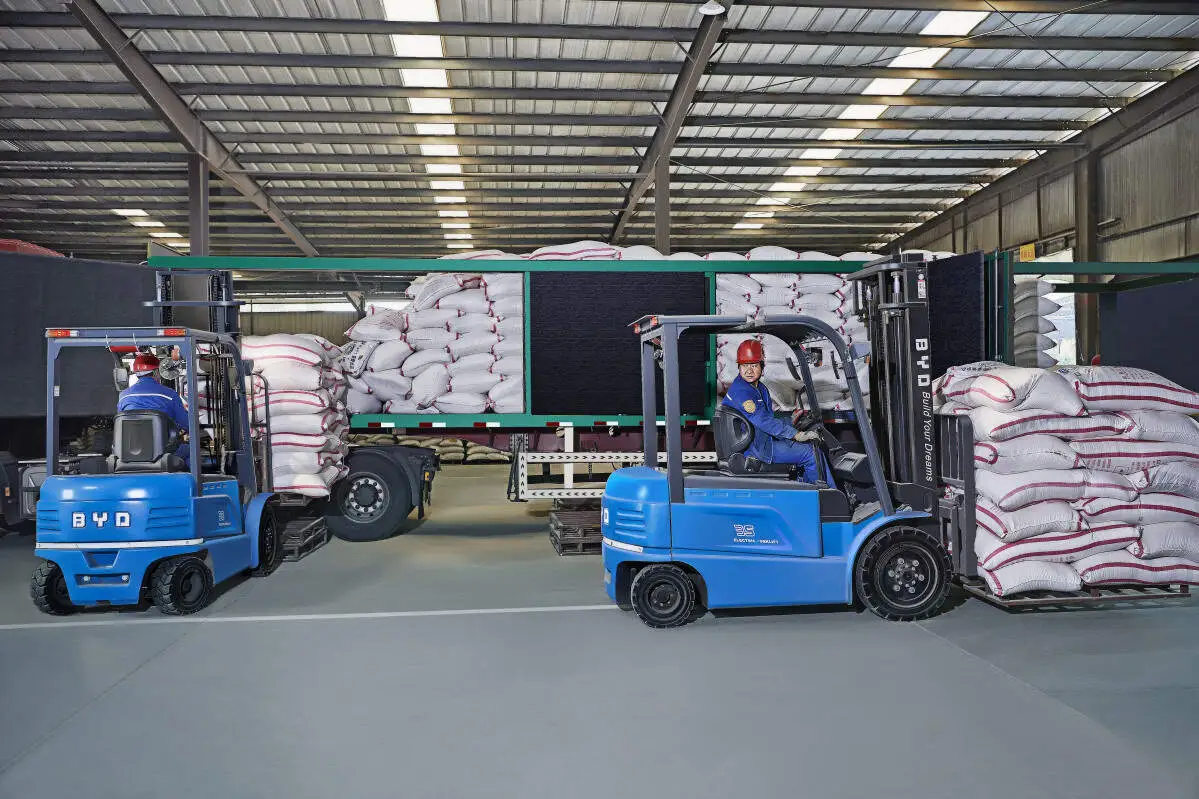
In recent years, emission control standards for non-road mobile machinery have been continuously upgraded in various places, and relevant industrial guidance policies have been implemented one after another. Superimposed on the downstream manufacturing and logistics warehousing industries, the demand for green transformation has been continuously released. The electrification transformation of industrial vehicles has become a general consensus in the whole industry. Compared with traditional internal combustion vehicles of the same specification, electric forklifts have no exhaust emissions during operation, lower working noise, and simpler daily DevOps flow. The comprehensive cost of long-term use has obvious advantages. It can not only adapt to the operation requirements of various indoor warehousing and closed factories, but also meet the use needs of open-air fixed operation scenarios.
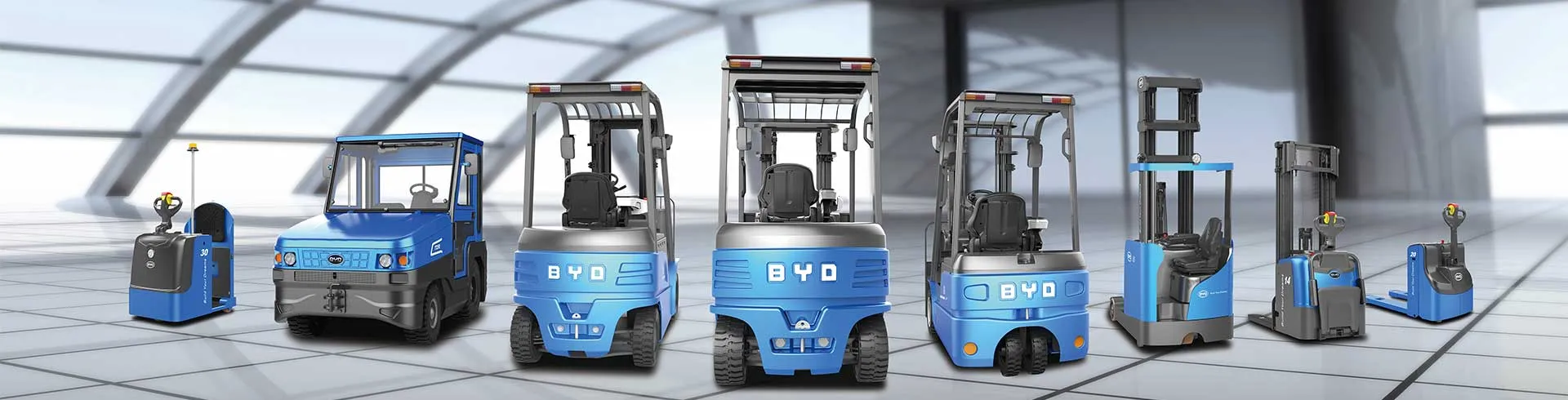
The current industry as a whole is in a transitional stage of transformation and development, and the demand for replacement in the downstream market is being steadily released. The application scenarios of electric forklifts have also gradually expanded from traditional indoor warehousing to port loading and unloading, short-distance transshipment at construction sites, and material scheduling in parks. With the gradual improvement of charging facilities and operation and maintenance service networks, the convenience of using electric forklifts has also been continuously improved. The entire industry is in the demand for a steady upward market growth window period, the relevant production entities are also continuing to optimize the working conditions of the product adaptation capacity, for different tonnage, different operating scenarios of the use of feature iteration product function, the follow-up electric forklift in the entire industrial vehicle category market share will also steadily increase, to provide strong support for the implementation of carbon reduction targets in the field of industrial handling, to help the real economy green high-quality development.