简体中文
 Deutsch
 日本語
 한국어
 Tiếng Việt
 Русский
 ไทย
 Bahasa Indonesia
 Bahasa Melayu
 Filipino
 لالعربية
 Français

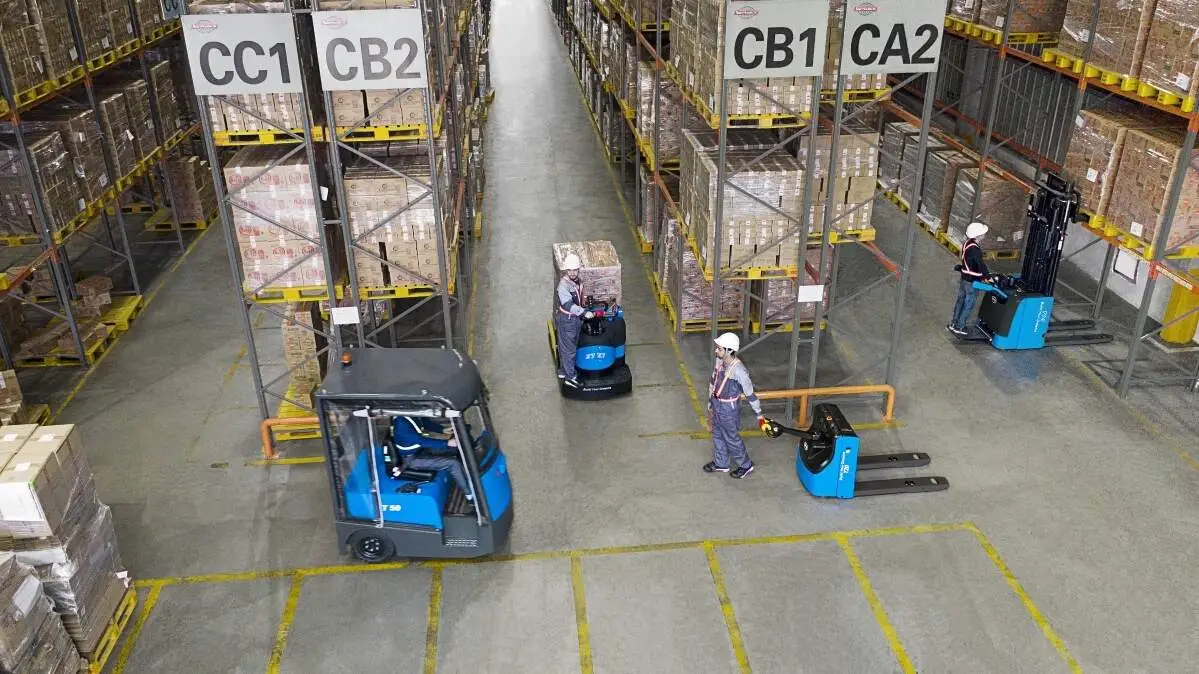
At present, the green transformation and efficiency upgrade of the domestic industrial field are advancing simultaneously. As the core node connecting production, warehousing and circulation, the internal material handling of the factory is ushering in a new cycle of change. In the past, traditional internal combustion handling equipment generally had problems such as excessive exhaust emissions, loud operation noise, and cumbersome daily operation and maintenance processes, making it difficult to adapt to the refined management requirements of modern factories.
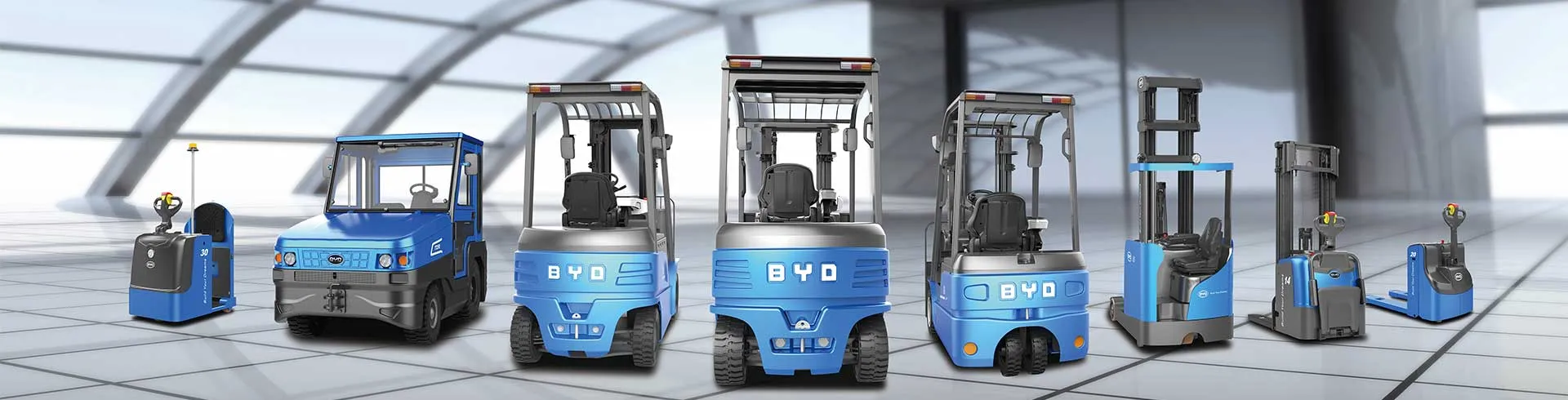
Judging from the public data of the industry in recent years, the market penetration rate of electric forklifts is steadily increasing. The proportion of equipment procurement in downstream manufacturing enterprises, e-commerce warehousing, commercial circulation and other fields continues to increase. More and more enterprises are adding or replacing handling equipment. When choosing electric products, the emergence of this trend is not only related to the control policies and guidance of plant emissions in various places, but also thanks to the gradual maturity of related technologies, which has eliminated the concerns of users in the past about the lack of power and insufficient battery life of electric handling equipment.
The popularity of lithium battery technology is the core driving force behind the rapid popularization of electric forklifts. Compared with the traditional energy storage configuration in the past, the charging efficiency of lithium battery products has been significantly improved, and it can support several hours of continuous operation in a short time. With the model of centralized power exchange solution, it can fully meet the needs of multi-shift continuous operation in the factory area, and there will be no long standby situation. At the same time, lithium battery equipment does not need regular fluid replenishment and maintenance, and the daily operation and maintenance process is greatly simplified. The cost of the whole life cycle has obvious advantages compared with traditional equipment.
With the wide popularity of electric handling equipment, the handling ecology of the entire factory area is also being gradually reshaped. The characteristics of zero exhaust emissions make it unnecessary for the factory area to separately plan supporting spaces for oil storage and exhaust gas treatment, and the working environment of front-line workers has been significantly improved. At the same time, the power output of lithium-ion battery equipment is more stable, which can better connect with the automated scheduling system and greatly reduce the threshold for the implementation of unmanned handling solutions. Many enterprises have realized the connection between handling equipment and warehouse management systems. Through unified scheduling, the traceability of the whole process of material flow can be achieved, further reducing the probability of errors in human operations. With the continuous iteration of related technologies, lithium-ion electric forklifts will also cover more subdivisions of heavy-duty and outdoor operations, continuously promoting the development of industrial handling systems towards a more efficient and low-carbon direction.