简体中文
 Deutsch
 日本語
 한국어
 Tiếng Việt
 Русский
 ไทย
 Bahasa Indonesia
 Bahasa Melayu
 Filipino
 لالعربية
 Français

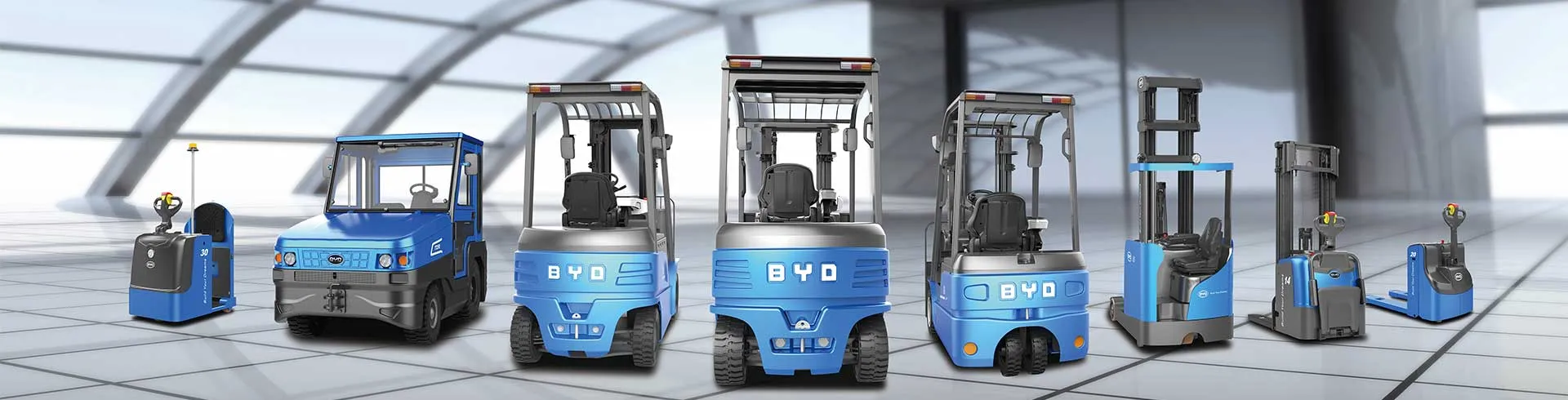
With the continuous development of domestic trade circulation and the physical manufacturing industry, the complexity of warehousing systems in various fields continues to increase. Handling operation scenarios have gradually extended from single flat warehouse cargo transshipment to multiple scenarios such as heavy-duty raw material warehouses, low-temperature cold chain warehouses, and high-level shelves. Different scenarios have put forward more subdivided requirements for the load capacity, environmental suitability, and operation stability of handling equipment, and have also promoted the entire warehousing and handling equipment track to enter a smooth and orderly stage of technological iteration.
Previously, the traditional handling equipment used in many warehousing scenarios was either prone to power attenuation problems during long-term continuous heavy-duty operations, making it difficult to maintain a stable output state, or the exhaust emissions did not meet the environmental protection and control requirements of clean warehousing, making it difficult to simultaneously take into account the heavy-duty operation requirements of multiple types of scenarios. Some enterprises need to configure different types of handling equipment for different scenarios, which invisibly increases the comprehensive cost of equipment procurement and operation and maintenance.
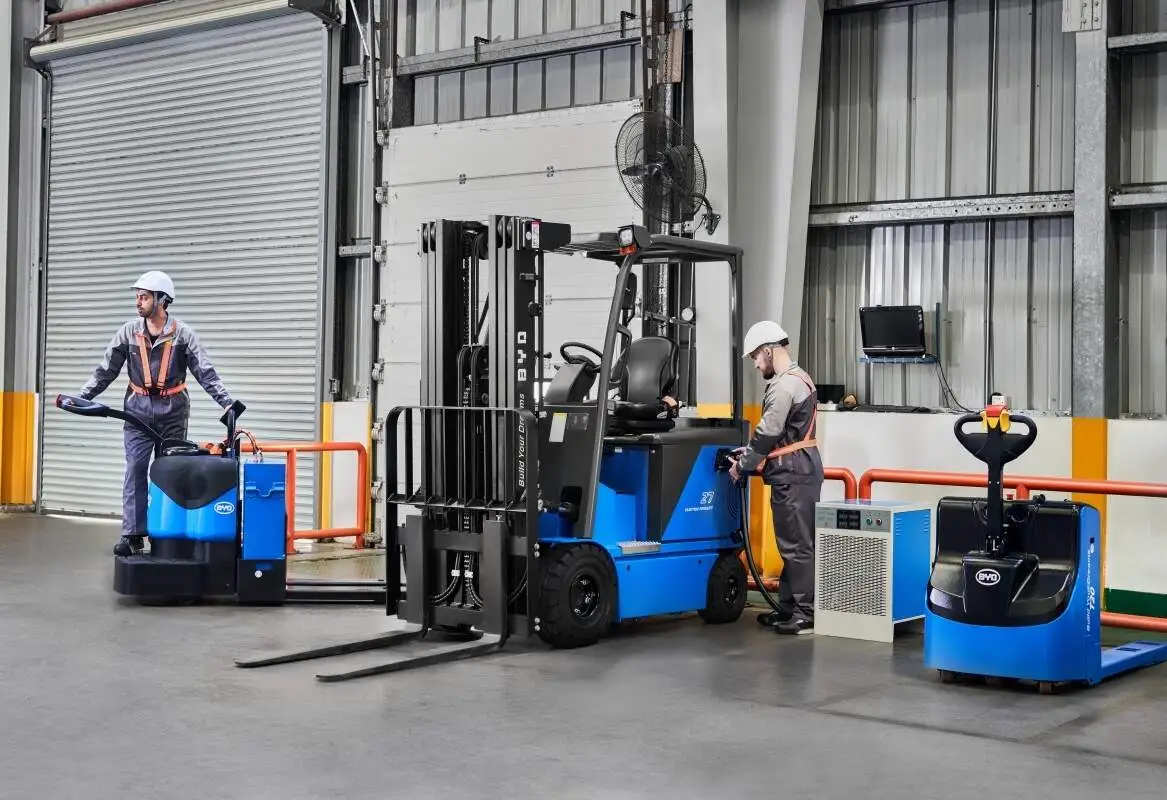
The maturation of lithium-ion drive technology in the field of forklifts has made lithium-ion electric forklifts suitable for heavy-duty needs the core choice for the upgrade of storage and handling equipment. This type of lithium-ion electric forklift that has been specifically adjusted has outstanding power output stability. It can carry out long-term continuous heavy-duty operations within the rated load range, and the power output will not fluctuate significantly. It can smoothly carry goods to complete the whole process of lifting, long-distance transshipment, and high-level stacking operations, without the need to stop halfway and wait for power to recover.
At the scene adaptation level, lithium-ion electric forklifts can cover the vast majority of storage and heavy-duty operation requirements: in ordinary industrial raw material warehouses, they can undertake the transshipment of large industrial materials, and the models that have been adjusted for low temperature adaptation can maintain stable discharge in low-temperature cold chain warehouses, without the need for additional complex insulation devices. In high-level warehouses, they can also complete the stacking and loading of high-level shelves with accurate control performance to avoid cargo shaking and deviation.
At the operation and maintenance level, the lithium electric forklift has a simple energy replenishment process. It can meet the electricity demand of all-day operations by charging at the peak of the shift gap. Daily operation and maintenance does not require frequent replacement of various consumable accessories, which can effectively reduce the long-term cost of handling equipment for warehousing enterprises. In the future, with the continuous subdivision of warehousing operation scenarios, lithium electric forklifts will also complete more adaptation optimization for the personalized needs of different scenarios, providing more solid equipment support for the efficiency improvement of the warehousing handling system.