
 简体中文
简体中文 Deutsch
 日本語
日本語 한국어
한국어 Tiếng Việt
 Русский
 ไทย
ไทย Bahasa Indonesia
 Bahasa Melayu
 Filipino
 لالعربية
 Français
Common pain points of workshop material handling
Production line crossover confusion
In many manufacturing workshops, the logistics planning in the early stage is not perfect, and the transfer routes of materials, finished products and personnel in different processes overlap, which is prone to the risk of collision and slows down the overall production rhythm. In order to avoid related problems, many enterprises can only arrange additional personnel to guide the movement, which further increases the investment of manpower.
The problem of low efficiency of picking and placing in the inventory area
In many workshops, the channel width of the flat storage area is limited, and the turning radius of conventional handling equipment is large, making it difficult to flexibly travel through and pick up and place the goods corresponding to the cargo space. It requires additional manpower to assist in transshipment, and it is easy to encounter the problem of untimely material supply at rush nodes.
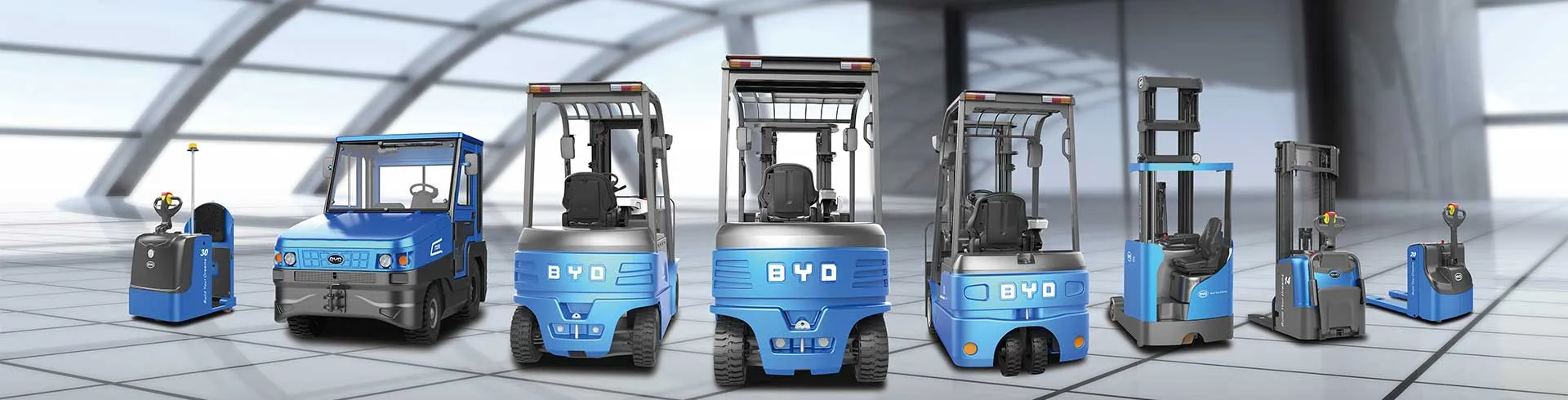
BYD CPD20 electric forklift adapts to the core scene
Material supply scene by the production line
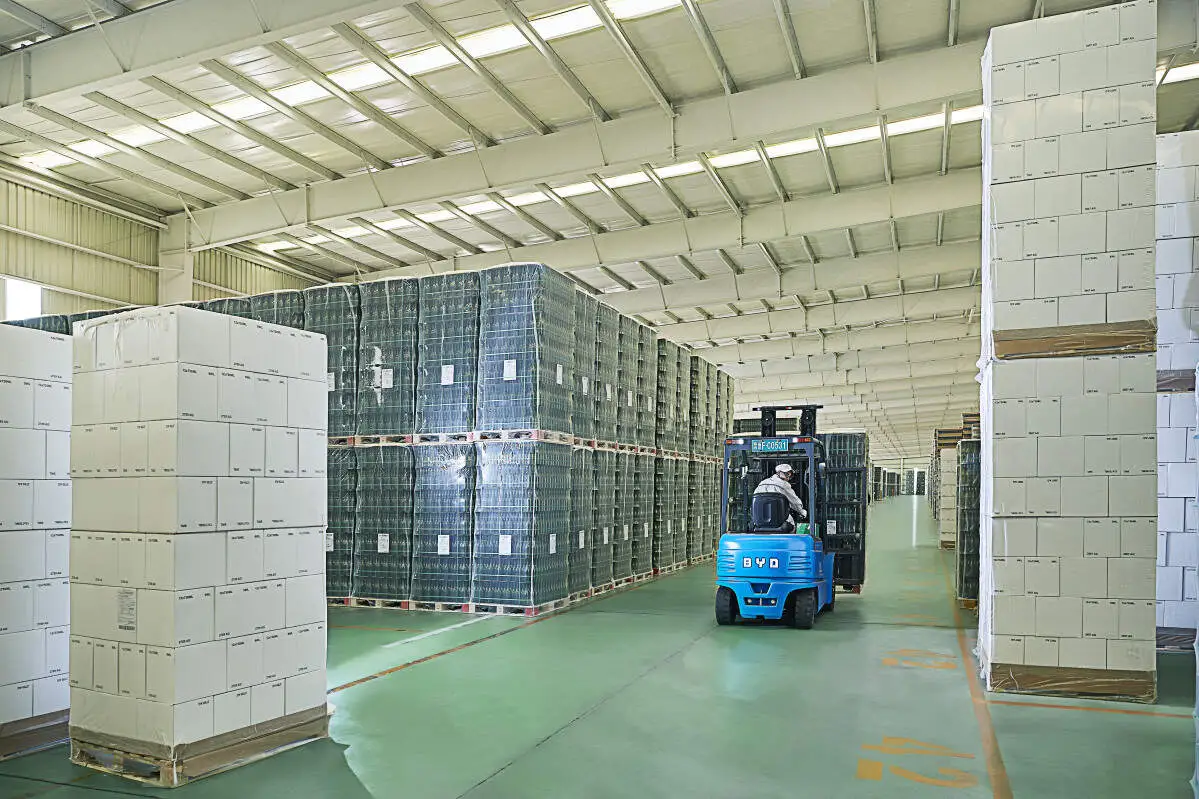
This two-ton electric forklift is compact in size and flexible in steering. It can be directly driven into a narrow channel close to the production line, and the raw materials and accessories can be sent directly to the corresponding station on demand, reducing the secondary transfer process in the middle. It can also reduce the safety hazards caused by the accumulation of materials on the edge of the line.
Flat storage cargo transshipment scene
In the low-rise flat-floor workshop storage area, vehicles can smoothly complete the lifting and stacking of pallet goods, and with a low-noise power design, all-day operation will not interfere with the normal production order of the workshop, nor do they need to build additional complex sound insulation facilities.
Loading and unloading connection operation scene
In the loading and unloading area connected to the factory entrance and warehouse, vehicles can quickly complete the transfer of goods between trucks and temporary storage areas, smoothly connect logistics nodes in different processes, and reduce the idle time of trucks waiting for loading and unloading.
This handling plan does not require additional modifications to existing workshop facilities. Ordinary operators can get started with it after simple training. Long-term use can effectively reduce the overall operating costs of material handling, making it suitable for the daily logistics needs of most light manufacturing workshops.


