
 简体中文
简体中文 Deutsch
 日本語
日本語 한국어
한국어 Tiếng Việt
 Русский
 ไทย
ไทย Bahasa Indonesia
 Bahasa Melayu
 Filipino
 لالعربية
 Français
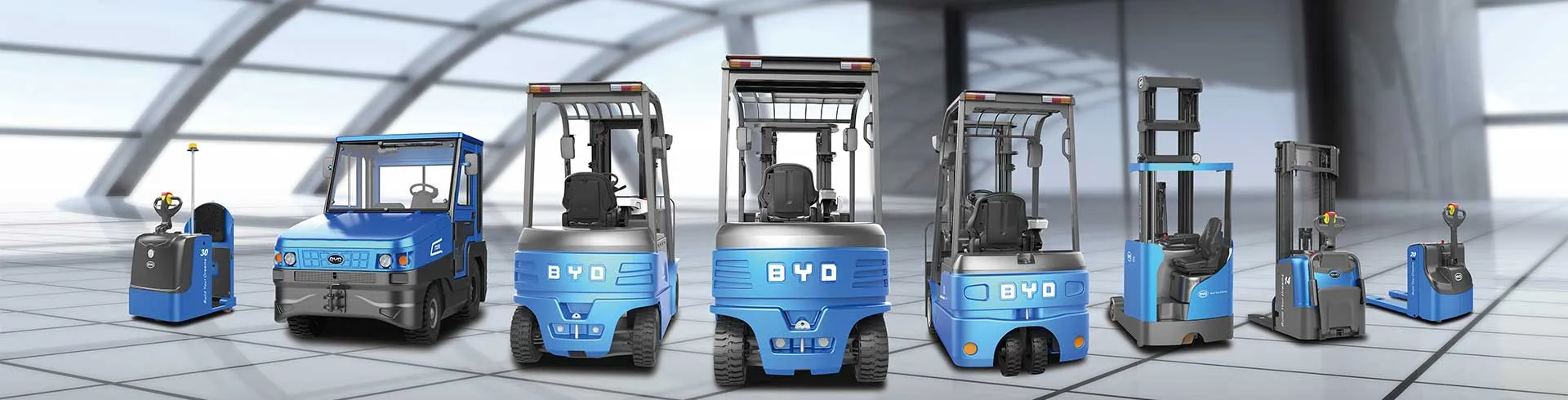
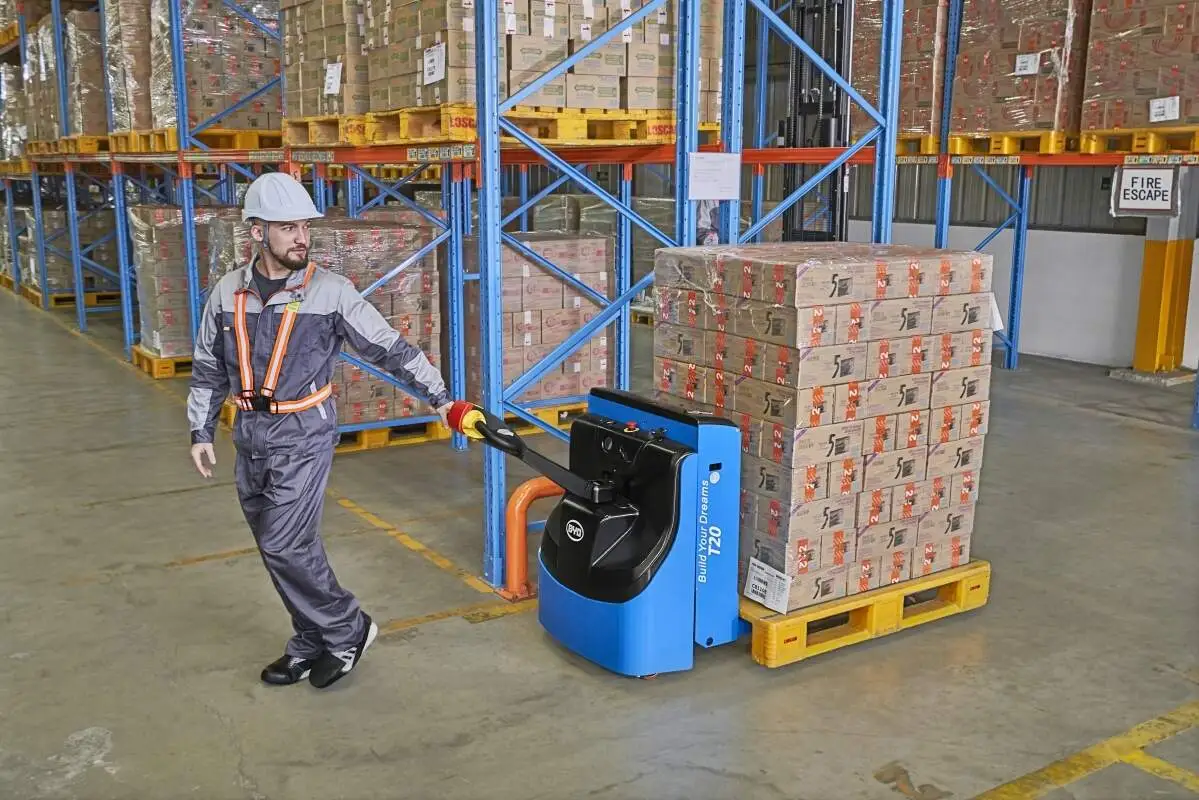
In the warehouse workshop operation, the installation of side shifters on forklifts can effectively improve the flexibility and accuracy of cargo handling, especially for narrow aisles and high-density storage scenarios. For the side shifter installation and hydraulic modification of BYD forklifts, it is necessary to follow the standardized process to ensure the stability and safety of the modified equipment.
First, preliminary preparations
First, a comprehensive inspection of the forklift is required to confirm that the hydraulic system has no leakage, the pressure is normal, and the overall performance of the vehicle meets the modification requirements. At the same time, check the matching degree between the specifications of the side shifter accessories and the forklift model to ensure that the adaptability of the lift cylinder, side shift cylinder and other components is up to standard. Prepare special tools, including torque wrenches, hydraulic pressure gauges, sealants, pipeline buckles, etc., to lay the foundation for subsequent operations. In addition, it is necessary to carry out operations in open and safe workshop areas, and set up warning signs to avoid unrelated personnel approaching.
Second, the hydraulic system modification process
The hydraulic system is the core of the normal operation of the side shifter. When refitting, it is necessary to turn off the power supply of the forklift and the switch of the hydraulic pump to release the residual pressure of the system. Find the reserved interface of the hydraulic system of the forklift, and connect the hydraulic pipeline of the side shifter with the main system. During the docking process, it is necessary to clean the interface impurities and apply sealant to ensure that there is no leakage at the connection part. The pipeline layout needs to be fixed along the original line of the forklift to avoid friction with other parts, and at the same time reserve appropriate expansion and contraction space to prevent the pipeline from being damaged when the vehicle is running. After completing the pipeline connection, slowly turn on the hydraulic pump, check whether there is leakage in the pipeline, and confirm that the system pressure meets the operating
III. Side shifter installation and debugging
Fix the mechanical parts of the side shifter with the forklift fork rack, and tighten the fixing bolts according to the requirements of the installation manual to ensure that the connection of the parts is firm and not loose. After the installation is completed, carry out no-load debugging, start the forklift to operate the side-shift control handle, observe the moving speed and stroke of the side shifter, and check whether the left and right side-shift movements are synchronized. Then carry out load test, select standard weight goods, simulate warehousing operation scenarios, verify the stability of the side shifter under load conditions, and adjust the hydraulic valve parameters to optimize the side-shift speed to ensure accurate and controllable operation.
IV. Acceptance and follow-up maintenance
After the modification is completed, a comprehensive acceptance is required, including appearance inspection, functional testing, safety performance evaluation, etc., to confirm that all components are running normally and there is no abnormal sound or leakage. After passing the acceptance, it can be put into storage operation. During daily maintenance, it is necessary to regularly check the sealing status of the hydraulic pipeline of the side shifter and the degree of bolt tightening, replace the aging seals in time, maintain the cleanliness of the hydraulic oil, and ensure the long-term stable operation of the side shifter.
The entire refitting process needs to be completed by professionally qualified operators, and safety operation specifications are strictly followed to ensure that the refitted forklift meets the safety standards of warehousing operations.


