
 简体中文
简体中文 Deutsch
 日本語
日本語 한국어
한국어 Tiếng Việt
 Русский
 ไทย
ไทย Bahasa Indonesia
 Bahasa Melayu
 Filipino
 لالعربية
 Français
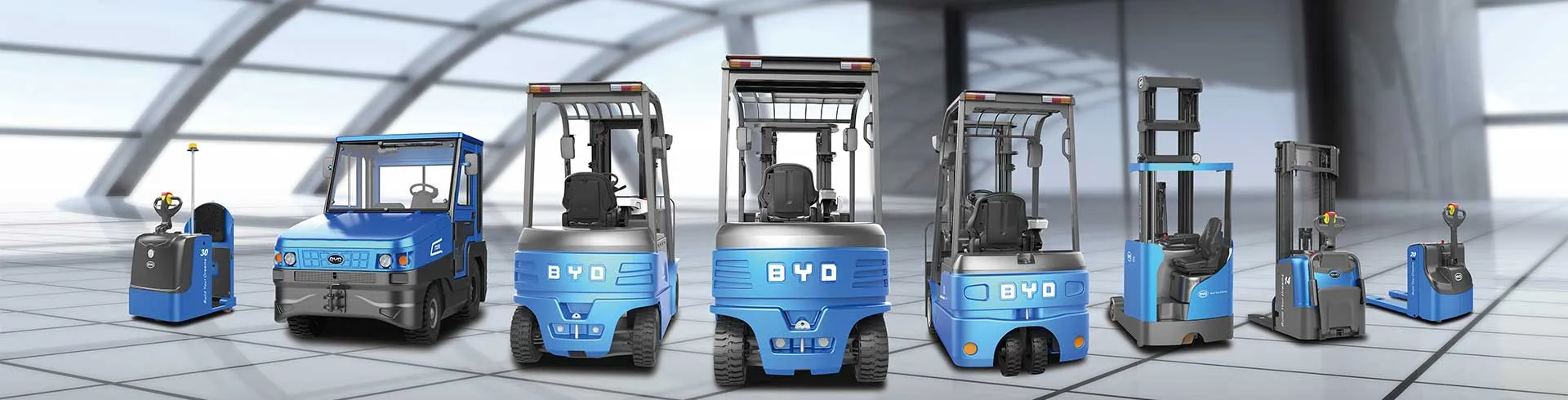
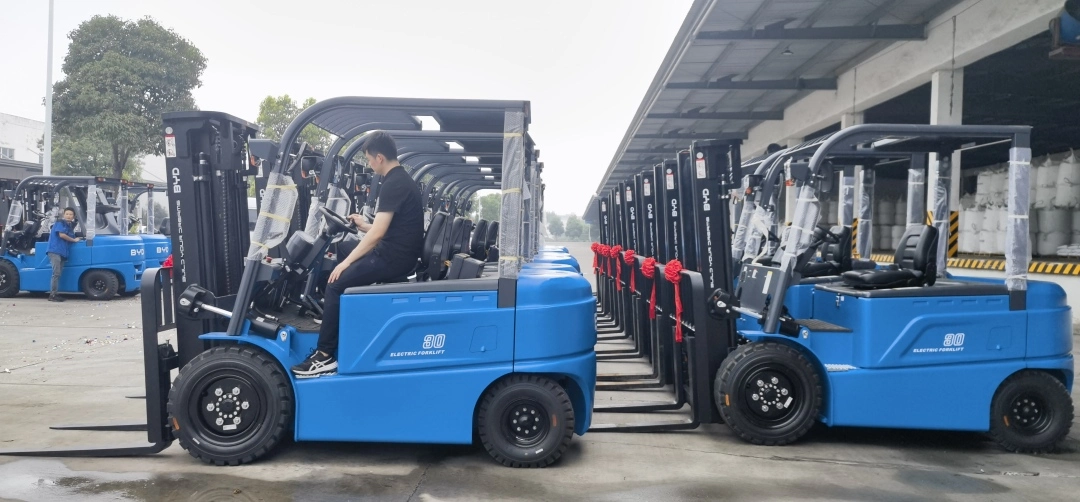
As the core bearing component of the electric forklift, the adaptability of the fork directly affects the operation efficiency and safety. For electric forklifts of different tonnages, the operation scenarios and bearing requirements are significantly different. The selection of the fork needs to be accurately matched according to the actual working conditions. At the same time, for special scenarios, the customization of lengthened and thickened non-standard forks has also become a key solution.
For 1-3 tons of light electric forklifts, this kind of equipment is mostly used in warehouse sorting, e-commerce warehousing and other light-load high-frequency operation scenarios. Lightweight and operational flexibility are given priority in the selection of forks. Conventional standard forks can meet basic needs, the length is usually controlled at 1.2-1 meters, and the thickness meets the general load-bearing standards of the industry, which can ensure the convenience and stability of operation when frequently handling small goods.
4-7 tons of medium-sized electric forklifts, often used in manufacturing raw material handling, port short-distance transshipment and other scenarios, carrying more weight, higher strength requirements on the fork. When selecting, focus on the material performance of the fork, the thickness is recommended to increase by 10% -15% compared with light forklift forks, and the length can be adjusted to 1.5-2 meters according to the commonly used pallet size to ensure stability when carrying medium-sized goods and avoid deformation or slipping risk.
Heavy-duty electric forklifts of 8 tons and above are mostly used in heavy-duty operation scenarios such as large logistics parks and mine material handling. The fork must have strong anti-deformation ability. When selecting the type, the fork made of high-strength alloy steel must be selected. The thickness and width must meet the heavy-duty operation specifications. The length is generally set to 2-2.5 meters to ensure the safety of heavy-duty goods and reduce equipment loss.
When conventional forks cannot be adapted to special operation scenarios, the customization of lengthened and thickened non-standard forks becomes a necessary choice. The lengthened fork is suitable for handling ultra-long materials such as steel pipes and profiles. When customizing, it is necessary to accurately calculate the lengthened length based on the rated tonnage of the forklift and the working space. At the same time, the root of the fork is reinforced to avoid structural instability caused by the increase in length. The thickened fork is aimed at the handling needs of overweight materials. When customizing, adjust the thickness and width of the fork according to the actual bearing weight, choose higher strength materials, and improve the wear resistance and corrosion resistance through professional craftsmanship to prolong the service life. During the customization process, it is necessary to comprehensively evaluate the operation scene, including the size, weight, handling frequency, etc., and then formulate a personalized plan to ensure that the fork and the forklift are perfectly adapted and meet the safety operation specifications.
Reasonable fork selection and customization should be based on actual operation requirements, taking into account safety and practicality. Correct matching of forks can not only improve forklift operation efficiency, but also reduce equipment loss, prolong the overall service life of forklifts, and provide reliable support for enterprise material handling.


