
 简体中文
简体中文 Deutsch
 日本語
日本語 한국어
한국어 Tiếng Việt
 Русский
 ไทย
ไทย Bahasa Indonesia
 Bahasa Melayu
 Filipino
 لالعربية
 Français
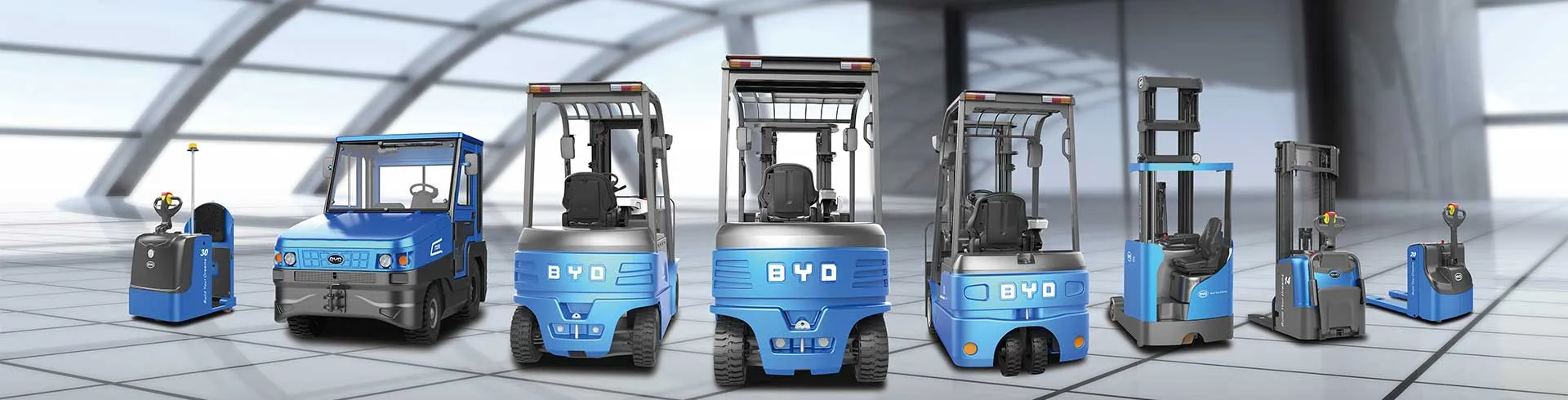
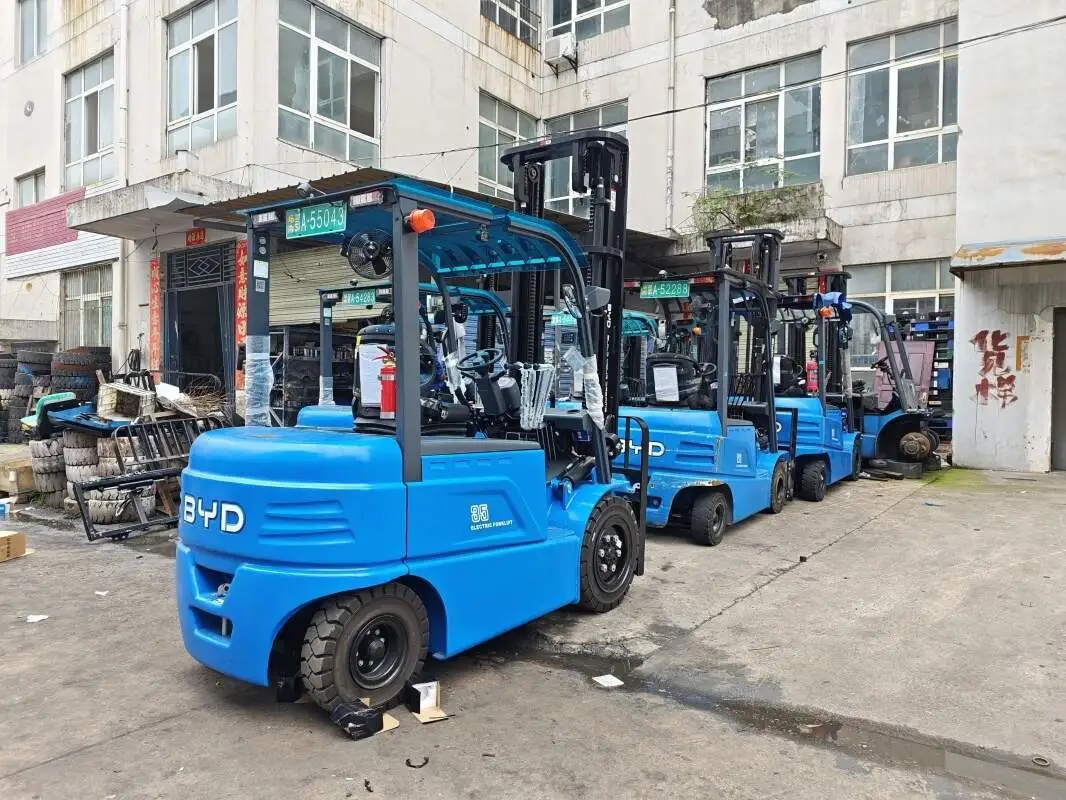
In the operating system of an electric forklift, the hydraulic side shifter is the core component to improve the flexibility of cargo handling, which can help the operator to accurately adjust the position of the fork in a small space and improve the operation efficiency. Understanding its assembly structure and vulnerable parts is essential for the daily maintenance and extended service life of the equipment.
The assembly structure of the hydraulic sideshift is mainly composed of four parts: first, the sideshift frame, which acts as the bearing foundation of the entire component, is connected with the forklift gantry to provide installation support for other components; secondly, the hydraulic drive device, which drives the sideshift action through the expansion and contraction of the hydraulic cylinder to realize the left and right translation of the fork; secondly, it is connected to the transmission mechanism, which is responsible for transferring the power of the hydraulic cylinder to the cargo fork frame to ensure the synchronization and stability of the action; finally, the slider bushing assembly, which is a key detail component to ensure the smooth sideshift action.
As a vulnerable accessory in the hydraulic sideshifter, the slider bushing is mainly installed at the contact part between the sideshift frame and the fork rack. Its function is to reduce the direct friction between the metal parts, reduce the wear rate, and buffer the impact force during operation, so that the sideshift action is more stable. Due to the long-term exposure to high-frequency friction and load changes in the working environment, coupled with the dust and oil in the working site, the slider bushing has become one of the parts with faster loss in the sideshifter. If the daily maintenance is not in place, the excessive wear of the bushing will cause the sideshift action card, abnormal noise, and even affect the positioning accuracy of the fork, reducing the safety of the operation.
For vulnerable accessories such as slider bushings, several points need to be paid attention to in daily maintenance: first, check the wear degree of the bushing regularly to see if there are cracks, excessive thinning or excessive gaps, and replace it in time if any abnormalities are found; secondly, keep the bushing part clean, regularly clean the attached dust and oil to avoid impurities aggravating friction; in addition, do a good job of lubrication, and choose the appropriate grease to add regularly to reduce friction loss between components. At the same time, operators should avoid rough operation during operation, minimize overload or frequent emergency stops, and reduce the pressure on the bushing.
Mastering the assembly structure and characteristics of vulnerable parts of the hydraulic side shifter can help forklift users maintain equipment more scientifically, reduce malfunctions, prolong the service life of the equipment, and ensure the efficiency and safety of operations.


