
 简体中文
简体中文 Deutsch
 日本語
日本語 한국어
한국어 Tiếng Việt
 Русский
 ไทย
ไทย Bahasa Indonesia
 Bahasa Melayu
 Filipino
 لالعربية
 Français
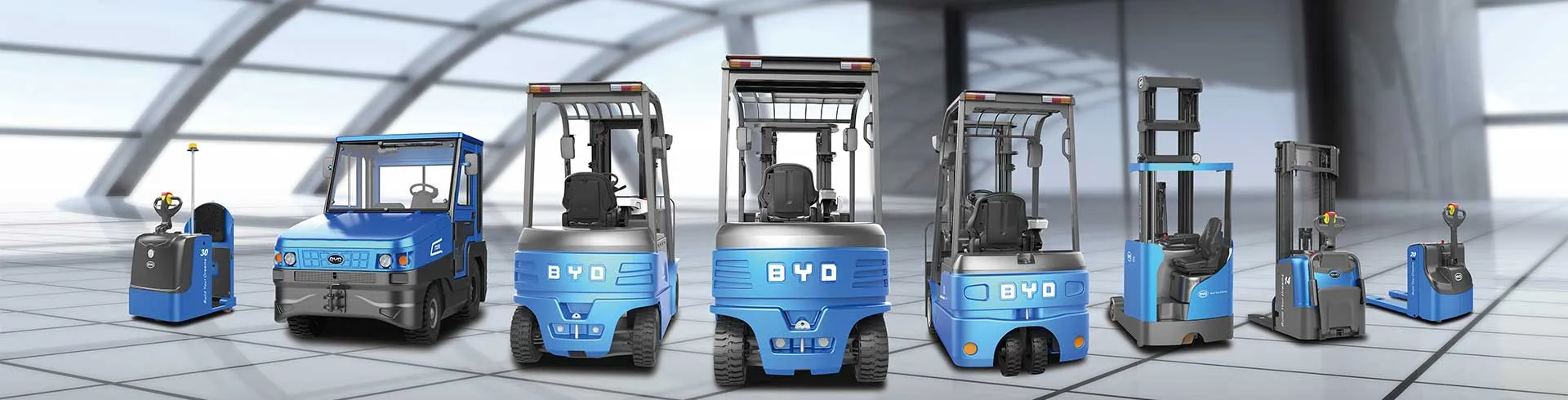
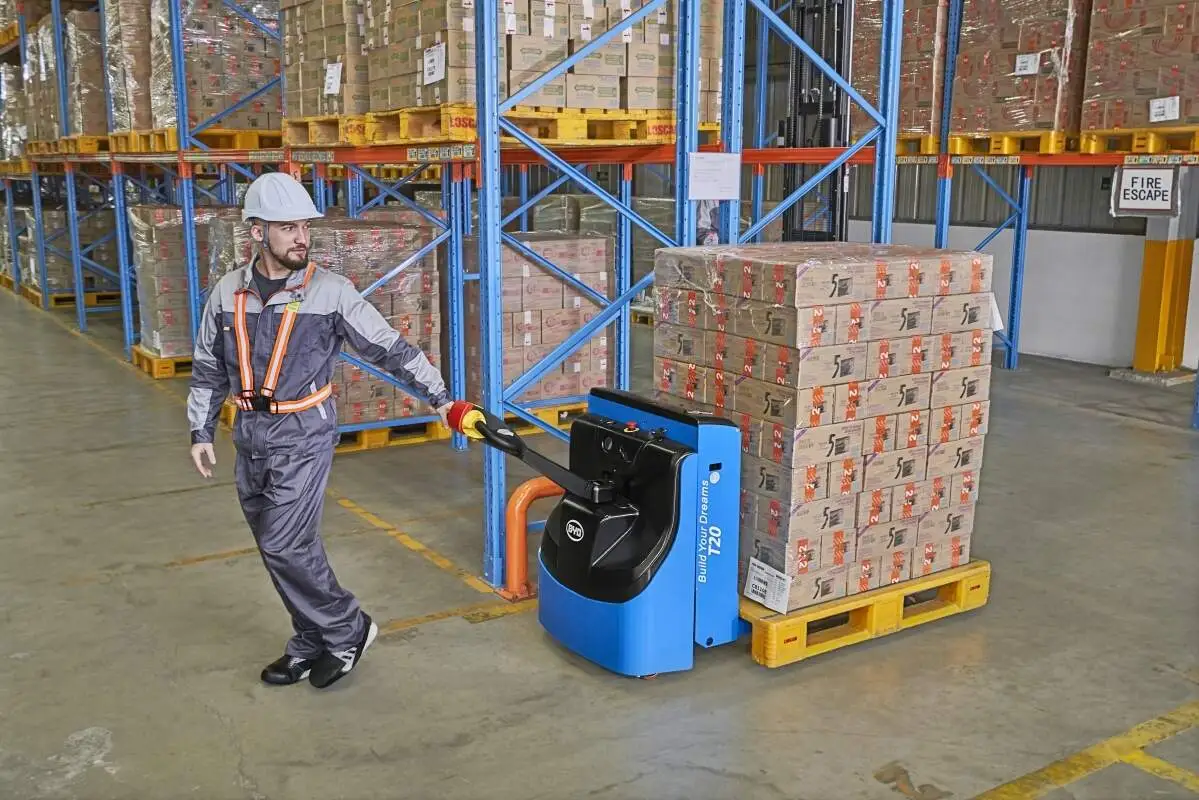
The two 1.6-ton electric forklifts of the same series have the same rated load capacity, but there are clear differences in multiple dimensions. The following are explained from the three dimensions of core design, operation scenarios, and operation and maintenance.
Differences in basic design positioning: Although the two models belong to the same series, the core design direction is different. One of them focuses on lightweight architecture as the core optimization goal, improving fuselage flexibility by streamlining non-essential components; the other focuses on structural strength strengthening, using thickened load-bearing components to enhance stability under heavy-duty conditions, and adapting to more demanding operating environments.
Differences in job scene adaptation: The first model is more suitable for fine handling operations in small spaces, such as shelf-to-shelf transshipment in high-density warehouses, cargo pick-and-place in narrow passages, etc. It has a smaller turning radius and stronger in-situ steering ability, allowing for flexible movement in limited space; the second model is suitable for outdoor long-distance heavy-duty handling, freight yard operations, etc., with better impact resistance and ground passage, and can cope with bumpy or uneven working surfaces.
Differences in operation and maintenance: The layout of the operation modules of the two models is adjusted in a targeted manner. The first model has a compact joystick spacing and a softer operation force, suitable for long-term high-frequency fine operation; the second operating mechanism has an optimized load-bearing design, which can be adapted to the working conditions of frequent and heavy-duty operations. In terms of maintenance, the replacement cycle of the conventional wearing parts of the two models is similar, but the installation position of the core transmission components is different, and the maintenance needs to correspond to different operating procedures. Users need to be familiar with the maintenance guidelines of the corresponding model to improve work efficiency.


